
Four crusty sourdough bowls from one batch of dough, plus a 10-minute toast that keeps thick soup from soaking through before you finish eating.
Recipe overview
- Makes: 4 bowls, about 5 inches across
- Hands-on: about 30 minutes, spread over two days
- Oven: 450°F on a sheet pan, then 10 minutes at 300°F to dry the inside
- Done when: the crust is deep brown and the center reads 205°F to 210°F
- No starter? The toast step works on store-bought crusty rounds too
A good bread bowl does two jobs. It holds a ladle of hot soup without leaking, and it tastes good enough that you tear into the walls once the soup is gone. Most bowls that fail do it in the same two places: the walls are cut too thin, or the soft inside soaks up broth before you've had three spoonfuls.
This bread bowl recipe fixes both. You'll shape four small sourdough rounds, bake them on a sheet pan, and give the hollowed bowls a short second trip through the oven. That dry layer is what buys you time at the table.
What makes a bread bowl hold soup?
A crisp crust and a dry inside wall. A lean dough like sourdough bakes up with a firm, chewy crust that stays sturdy when it gets wet. Soft dinner-roll dough tastes great but turns spongy fast.
The inside matters just as much. Fresh crumb is full of moisture, so broth moves right into it. Brushing the hollow with olive oil and drying it in a low oven seals the surface, and the bowl stays firm through dinner.
Thickness matters too. Leave walls and a base at least half an inch thick. Thinner than that, and the base is the first place soup finds a way out.
The sourdough bread bowl recipe
This uses the same dough as our beginner sourdough bread, divided into four rounds instead of one loaf. Plan it over two days: mix and shape on day one, let the rounds rest in the fridge overnight, and bake on day two.
Ingredients for 4 sourdough bread bowls
Check off ingredients as you go. Cook mode keeps your screen awake.
For the dough
For baking and filling
How to make them
- Mix. Stir the starter into the water until it looks milky. Add the flour and salt and mix until no dry flour is left. Cover and let it rest 30 minutes.
- Stretch and rise. Do a few rounds of stretch and folds over the next couple of hours, then leave the covered dough at warm room temperature until it has grown by about half and the top is domed and bubbly. In a cool kitchen this can take most of the day.
- Divide. Turn the dough out onto a lightly floured counter. Weigh it and cut it into 4 equal pieces with a bench scraper (each will be about 240 g).
HomemadeRecipes.com may earn a commission when you order through links on this page.
Dividing sticky dough by hand tends to tear it, and a flat steel scraper cuts it into four clean pieces with one firm press each. It has a straight edge only, so it won't do much for scraping the curved inside of a mixing bowl.

- Multi-purpose scraper/chopper tool for portioning bread and pastry dough, chopping and measuring
- Broad, rectangular-shaped, stainless-steel blade with square edge
Last update on 2026-10-19 / Affiliate links / Images from Amazon Product Advertising API
(As an Amazon Associate, we earn from qualifying purchases.)
- Shape. Pull each piece into a tight ball by tucking the edges underneath and dragging it toward you across the counter a few times. Set the rounds seam side down on a parchment-lined sheet pan, spaced well apart.
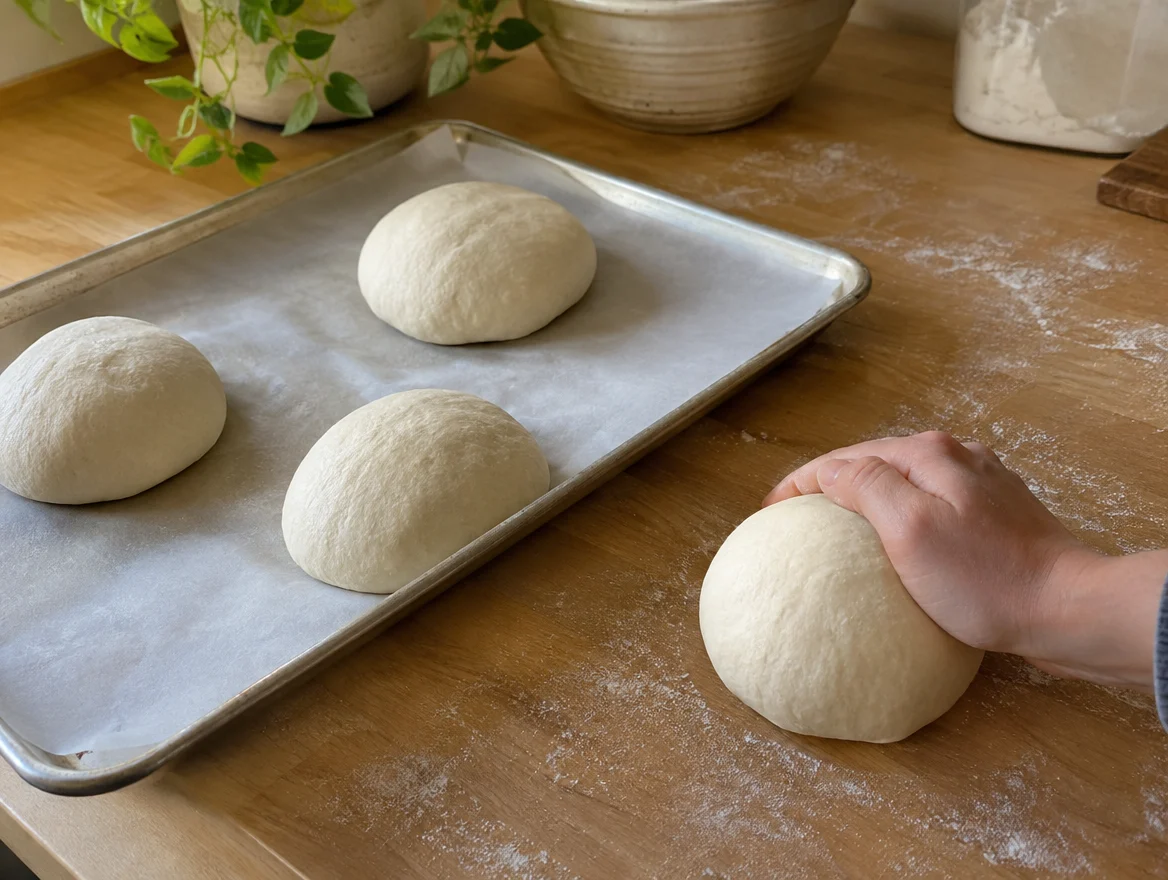
- Chill overnight. Dust the tops with flour, cover loosely, and refrigerate overnight. The cold rest builds flavor and makes the rounds easier to score.
- Bake. Heat the oven to 450°F. Score a shallow X on top of each cold round and bake on the middle rack until the crust is deep brown and a thermometer in the center reads 205°F to 210°F. Start checking at about 20 minutes (our estimate, since ovens vary. The thermometer is the real test.)
The 205°F to 210°F reading in the center is what tells you a bowl is baked through, and an instant-read probe gives you that number in a few seconds. It is not oven-safe, so check one bowl, read the number, and take the probe out before the pan goes back in.
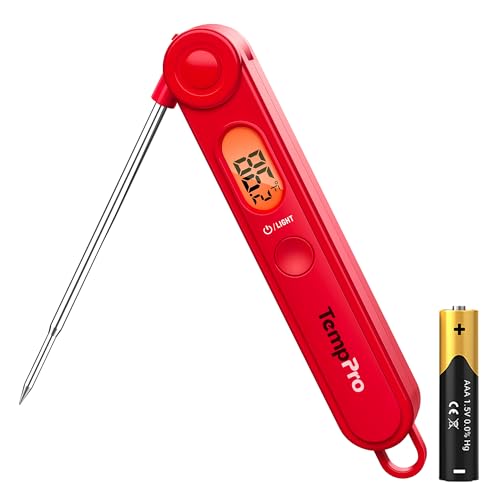
- 【Easy to Use】Easily release the meat probe at the push of a button, and control the backlight or...
- 【More Accurate Readout in 1 Second】Get accurate temperature readings with an impressive +/-0.9°F...
Last update on 2026-10-19 / Affiliate links / Images from Amazon Product Advertising API
(As an Amazon Associate, we earn from qualifying purchases.)
- Cool, then hollow. Let the rounds cool on a rack for about 1 hour so the inside sets. Cut a lid off the top with a serrated knife, then pull out the soft crumb, leaving walls and a base at least ½ inch thick.
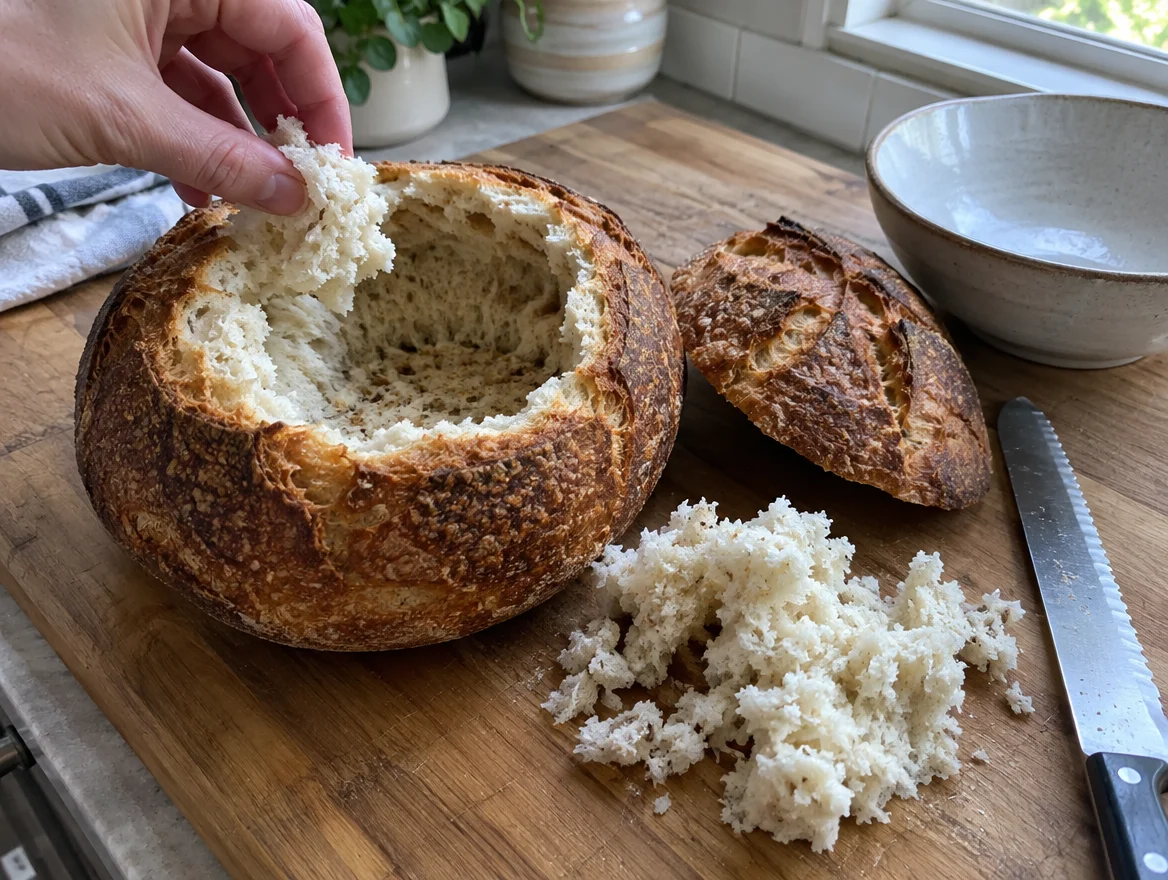
A firm sourdough crust crushes under a straight blade, but a long wavy edge saws through it and leaves the bowl round. At 10 inches it is more knife than small rolls need, so a serrated knife you already own will do the same job.
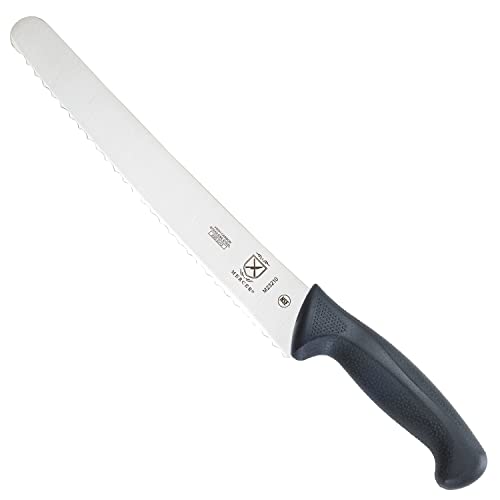
- QUALITY CONSTRUCTION: Knife is crafted with one-piece high-carbon Japanese steel for easy edge...
- SUPERIOR DESIGN: Built to last ergonomic handle with textured finger points offers a non-slip grip with...
Last update on 2026-10-19 / Affiliate links / Images from Amazon Product Advertising API
(As an Amazon Associate, we earn from qualifying purchases.)
- Toast the inside. Lower the oven to 300°F. Brush the inside of each bowl and lid with olive oil and bake on the sheet pan for 10 minutes. Ladle in hot, thick soup right before serving.
Swap: No starter, or no time this week? Buy 4 crusty round rolls about 5 inches across from the bakery counter and start at step 7. Look for a hard crust, not a soft sandwich roll.
Storage: Unfilled bowls keep at room temperature in a paper bag for a day. To refresh a day-old bowl, warm it at 350°F for 5 to 10 minutes before you hollow and toast it. Don't fill a bowl until you're ready to eat, because even a toasted wall softens over time.
Save the insides: The crumb you pull out makes good croutons or breadcrumbs, or tear it up and serve it next to the bowl for dipping.
What goes wrong, and how to fix it
The bowls spread flat in the oven. The rounds weren't shaped tight enough, or they rose too long. Drag each ball across the counter until the surface feels taut, and bake them straight from the fridge while they're cold and firm.
The base split open. This usually means the rounds were underproofed. Next time give the dough a little longer to rise in step 2, until it's clearly puffy and jiggles when you shake the bowl.
The inside is gummy. The bread was cut while it was still hot. That hour of cooling finishes the bake, so wait it out.
Soup leaked through the bottom. Either the base was cut too thin or the filling was too brothy. Keep the base at least ½ inch thick and choose a soup that coats a spoon. Thin broth soups belong in a regular bowl with bread on the side.
What to put in a bread bowl
Pick something thick enough to coat the back of a spoon. These are the fillings that work best, and each one links to a full recipe on our site.
- Broccoli cheddar soup. The classic. Our broccoli cheddar soup is thick and creamy enough to stay put.
- Potato soup. Mash a few potatoes into the pot to thicken it. Start with our homemade potato soup.
- Chili. A hearty pot like our homemade chili fills a bowl well. Top it with cheese and a spoonful of sour cream.
- Beef stew. Chunks of beef and potato in a thick gravy, like our beef stew. Cut the vegetables small so they fit on a spoon.
- Chicken pot pie soup. All the flavor of pot pie, with the bread bowl standing in for the crust. Try our chicken pot pie soup.
- Butternut squash soup. A fall favorite. Pick a blended, thick version from our butternut squash soup recipes.
- Beer cheese dip. For game day, fill one big bowl and tear the lid into dippers. Our beer cheese dip is made for it.
- Queso for the kids. A warm, mild cheese dip in a small bowl is an easy sell for picky eaters. Our cottage cheese queso dip takes 5 minutes.
Serving kids who don't love soup touching their bread? Put the soup in a mug and give them a bread bowl lid and the torn-out insides for dipping. They still get the fun part.
Bake your own or buy the rounds?
Baking your own gives you a sturdier crust and that sourdough tang. It also takes two days and some oven time. Store-bought crusty rounds get you to dinner tonight. Either way, steps 7 and 8 are what keep the soup inside, so don't skip the hollow-and-toast part.
A bread bowl is a small project that makes an ordinary pot of soup feel like an event. Bake four this weekend, fill them with whatever thick soup you have going, and save the torn-out bread for dipping.
Frequently asked questions
Can I make this bread bowl recipe without a sourdough starter?
Yes. Buy crusty round rolls about 5 inches across and start at the hollowing step. Brush the inside with olive oil and toast at 300°F for 10 minutes before filling. Look for a hard crust, since soft rolls soak through faster.
Can I make bread bowls a day ahead?
Yes. Bake them a day early and store them unfilled in a paper bag at room temperature. Warm them at 350°F for 5 to 10 minutes to bring the crust back, then hollow and toast them right before dinner.
Can I freeze sourdough bread bowls?
Yes. Freeze the baked, unhollowed rounds in a freezer bag once they've cooled completely. Thaw them on the counter, crisp them in a 350°F oven, then hollow and toast as usual.
How big should each piece of dough be for a bread bowl recipe?
About 240 g each when you divide this dough into 4. That bakes into a bowl around 5 inches across, which holds a generous ladle of soup. For smaller appetizer bowls, divide it into 6 pieces and start checking the bake a few minutes earlier.
Why is my bread bowl hard to cut?
A deep brown sourdough crust is firm on purpose, since that's what keeps it from leaking. Use a long serrated knife and let the blade do the work with a gentle sawing motion. Pressing straight down crushes the bowl.
Can I use whole wheat flour?
Yes, in part. Swap up to about 100 g of the bread flour for whole wheat for a nuttier flavor. Whole wheat drinks more water, so the dough will feel stiffer and the bowls may bake up a little denser.
Do you eat the bread bowl itself?
Yes, that's half the fun. Once the soup is gone, tear off pieces of the soup-soaked walls and eat them. The lid and the torn-out insides are for dipping as you go.
Settle This: What Makes the Best Bread Bowl for Soup Night?
A crusty sourdough bowl holds soup longest but takes two days. Soft roll dough is tender and fast. Bakery rounds get dinner on the table tonight.
Pick your side.
What happened the last time you filled a bread bowl with soup? Tell us in the comments.