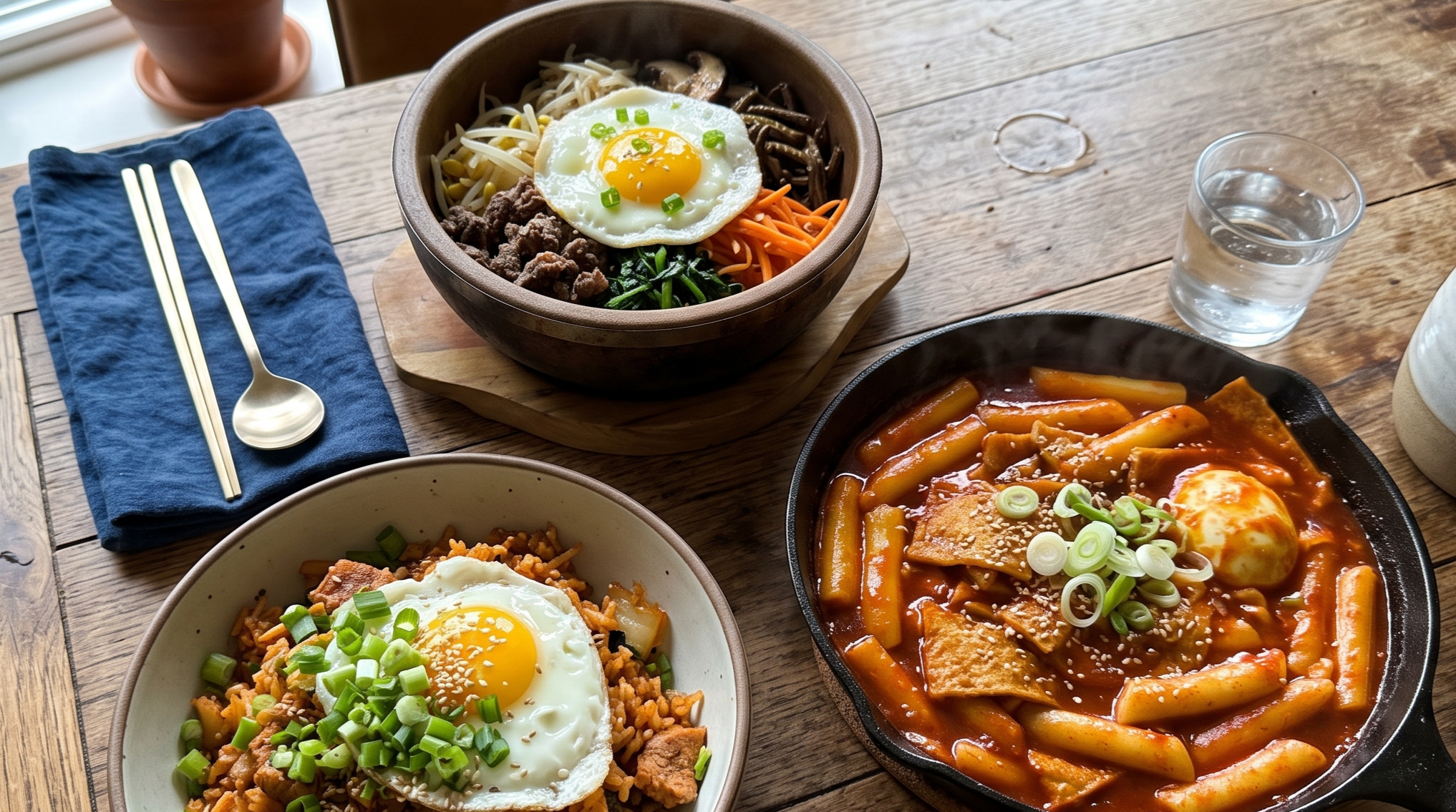


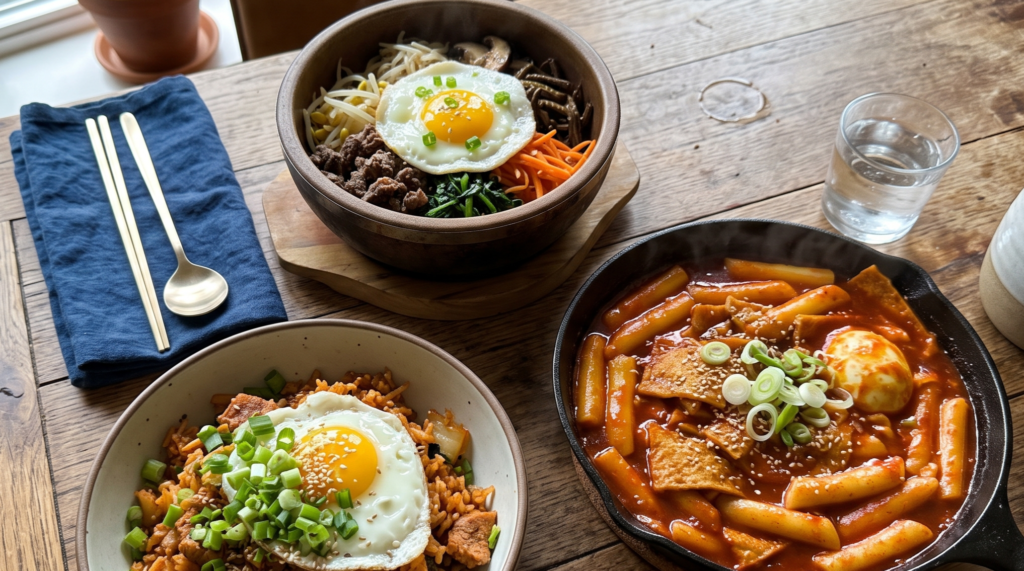
Quick Summary: Easy Korean Dinners
- 6 original weeknight Korean recipes: ground beef bulgogi, sheet pan dakgalbi, kimchi fried rice, japchae, tteokbokki, and build-your-own bibimbap
- One sauce base works across four of the six recipes
- No Korean grocery run required. One bottle of gochujang is the only new pantry item
- Free printable recipe card included
- Every recipe has a kid-spice-level note and a substitution for hard-to-find ingredients
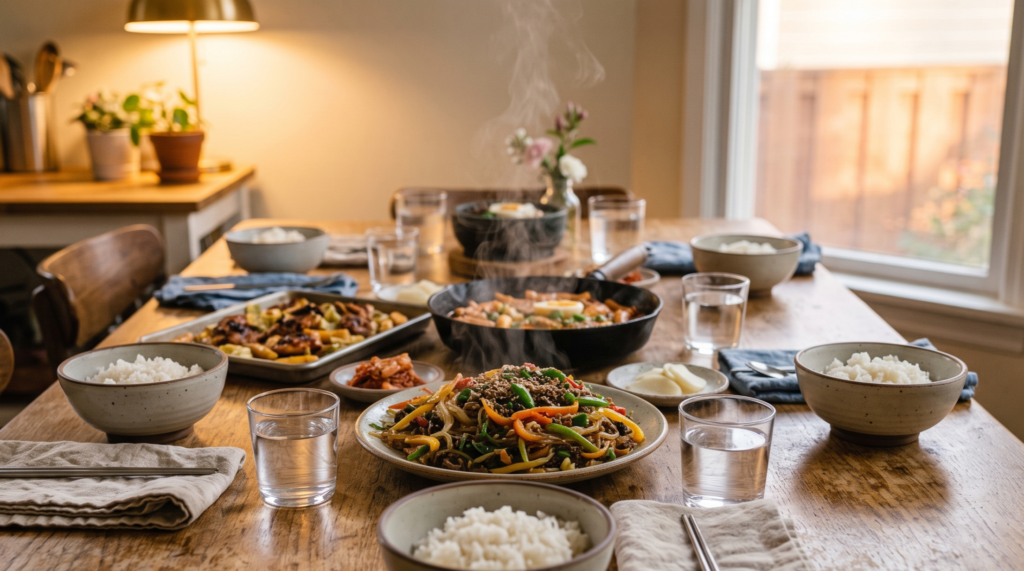
Korean food has a reputation problem. It looks like it needs a pantry full of jars you'll use once, a grocery run to a store across town, and skills nobody taught you. None of that is actually true for the dinners that matter most on a Tuesday.
These six recipes run on one sauce base, one new pantry ingredient, and techniques you already have. Ground beef instead of thin-sliced ribeye. A sheet pan instead of a tabletop grill. Leftover rice instead of a special trip. This is Korean cooking sized for the five o'clock moment, not the weekend feast.
Build the One Sauce That Does Most of the Work
Before the korean recipes, one mixture:
- 3 tablespoons soy sauce
- 2 tablespoons brown sugar
- 1 tablespoon sesame oil
- 2 cloves garlic (minced)
- 1 teaspoon grated ginger
- 1 tablespoon gochujang
Whisk it together and it becomes the base for the bulgogi marinade, the dakgalbi glaze, and the bibimbap drizzle. Double it on Sunday and it keeps in the fridge for a week.
Gochujang is the one ingredient this rotation asks you to buy that you probably don't already have. It's a fermented red chili paste, and a single jar covers all six recipes here plus months of future cooking.
![Gochujang – Premium Korean Red Chili Paste [ Medium | 1.1 lb (500g) ] – 0 Fat/ 0 Cholesterol...](https://m.media-amazon.com/images/I/410i4jhhvxL.jpg)
- MADE WITH CARE IN KOREA - Korea’s historic chili pepper region, this gochujang delivers a deep...
- VERSATILE - A versatile ingredient for Korean and everyday meals—use it in bibimbap, tteokbokki...
Last update on 2026-10-08 / Affiliate links / Images from Amazon Product Advertising API
(As an Amazon Associate, we earn from qualifying purchases.)
If your store doesn't carry it, a mix of 1 tablespoon sriracha and 1 teaspoon miso paste gets you close enough for weeknight purposes.
1. Ground Beef Bulgogi Bowls
Traditional bulgogi uses thin-sliced ribeye marinated overnight. This version swaps in ground beef, which cooks in ten minutes and costs a fraction as much. It's still bulgogi flavor, just faster to the table.
Ingredients: 1 lb ground beef, 3 tbsp soy sauce, 2 tbsp brown sugar, 1 tbsp sesame oil, 2 cloves garlic (minced), 1 tsp grated ginger, 2 green onions (sliced), 1 tbsp toasted sesame seeds, cooked rice for serving
Steps:
- Whisk soy sauce, brown sugar, sesame oil, garlic, and ginger in a small bowl.
- Brown the ground beef in a large skillet over medium-high heat, breaking it into small crumbles, about 5 minutes.
- Drain excess fat, then pour in the sauce and simmer 2 minutes until it clings to the meat.
- Serve over rice, topped with green onions and sesame seeds.
Swap note: No ground beef on hand? Ground turkey or plant-based crumbles take the same sauce without any other changes.
A carbon steel wok holds heat better than a nonstick skillet for this kind of high-heat browning, and it's the same pan you'll reach for in the japchae and kimchi fried rice below.
The Yosukata 13.5″ pre-seasoned flat-bottom wok works on gas, electric, and induction, which covers most home kitchens.
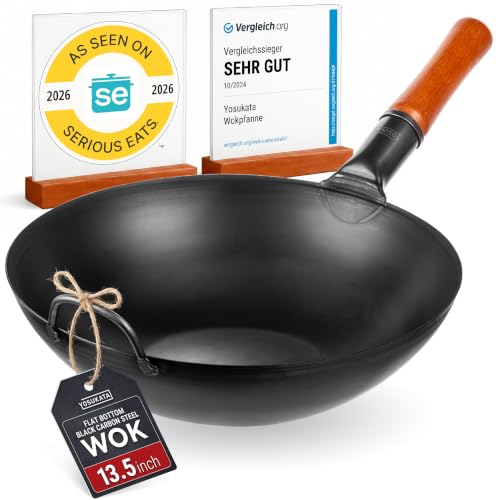
- GENUINE TASTE: Bring authentic wok flavor to your kitchen or outdoor cooking with the YOSUKATA...
- PRE-SEASONED: : Unlike many stir fry pans, this carbon steel wok is pre-seasoned at over 600°F using...
Last update on 2026-10-08 / Affiliate links / Images from Amazon Product Advertising API
(As an Amazon Associate, we earn from qualifying purchases.)
2. Sheet Pan Dakgalbi (Spicy Chicken Thighs)
Traditional dakgalbi cooks in a shared pan at the table, often cut with kitchen shears right as it cooks. This sheet pan version keeps that same low-effort spirit without the tabletop equipment.
Ingredients: 1.5 lbs boneless chicken thighs, 2 tbsp gochujang, 1 tbsp soy sauce, 1 tbsp honey, 1 tbsp sesame oil, 2 cloves garlic (minced), 1/2 head cabbage (chopped), 1 sweet potato (cubed), 1 cup shredded mozzarella (optional)
Steps:
- Whisk gochujang, soy sauce, honey, sesame oil, and garlic into a glaze.
- Toss chicken thighs, cabbage, and sweet potato with the glaze on a sheet pan.
- Roast at 425°F for 25 minutes, until chicken is cooked through and cabbage edges char slightly.
- Use kitchen shears to snip the chicken into bite-size pieces directly on the pan, top with cheese if using, and return to the oven 3 minutes to melt.
Swap note: For a milder, kid-friendly version, cut the gochujang to 1 teaspoon and add 1 extra tablespoon honey.
Cutting the chicken with shears instead of a knife mid-pan is standard technique for this dish, and it works better with something built for kitchen use than regular scissors.
This Korean-style stainless steel kitchen shears set handles the chicken here and the noodles in the japchae recipe below.
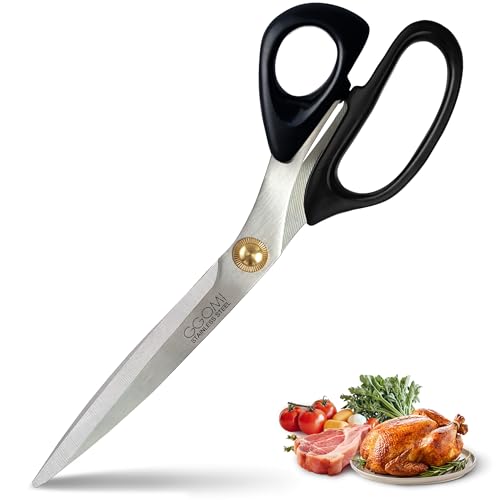
- [MULTI-PURPOSE KITCHEN SHEARS] Versatile all-purpose kitchen shears for a wide range of tasks, including...
- [DURABLE STAINLESS STEEL BLADES] Made from food-grade stainless steel, these heavy-duty shears are...
Last update on 2026-10-08 / Affiliate links / Images from Amazon Product Advertising API
(As an Amazon Associate, we earn from qualifying purchases.)
3. 15-Minute Kimchi Fried Rice
This is the dish that rescues a container of kimchi that's gotten too sour to eat straight from the jar. Sour, well-fermented kimchi actually makes better fried rice than fresh.
Ingredients: 2 cups day-old cooked rice, 1 cup chopped kimchi, 2 tbsp kimchi juice, 1 tbsp sesame oil, 2 eggs, 2 green onions (sliced), 1 tsp soy sauce
Steps:
- Heat sesame oil in a skillet or wok over medium-high heat, then add kimchi and cook 2 minutes.
- Add rice, breaking up clumps, and stir-fry 5 minutes until heated through and slightly crisp in spots.
- Push rice aside, crack eggs into the cleared space, and scramble until just set.
- Fold everything together, drizzle with kimchi juice and soy sauce, and top with green onions.
Swap note: No kimchi on hand? Sauerkraut plus an extra 1/2 teaspoon gochujang gets close enough on flavor and texture.
4. Japchae (Glass Noodle Stir-Fry)
Sweet potato glass noodles are the one ingredient here that isn't in most American pantries, but they're shelf-stable and last a long time once you have them, which makes the one-time purchase worth it for this dish alone.
Ingredients: 8 oz sweet potato glass noodles, 1 tbsp soy sauce, 1 tbsp sesame oil, 1 carrot (julienned), 1 cup spinach, 4 oz mushrooms (sliced), 2 cloves garlic (minced), 1 tbsp toasted sesame seeds
Steps:
- Boil glass noodles per package instructions, about 6 minutes, then drain and cut into shorter lengths with kitchen shears.
- Sauté carrot, mushrooms, and garlic in sesame oil until just softened, about 4 minutes.
- Add spinach and cook until just wilted, about 1 minute.
- Toss noodles with the vegetables, soy sauce, and remaining sesame oil, top with sesame seeds.
Swap note: No glass noodles? Rice noodles or even spaghetti work in a pinch, though the texture won't be as chewy.
5. Tteokbokki (Spicy Rice Cakes)
Chewy rice cakes in a sweet-spicy sauce, and one of the fastest dishes in this whole rotation. Most of the work is stirring.
Ingredients: 1 lb tube-shaped rice cakes (fresh or frozen), 2 tbsp gochujang, 1 tbsp soy sauce, 1 tbsp brown sugar, 1 cup water, 1 tsp sesame oil, 1 green onion (sliced)
Steps:
- If rice cakes are frozen, soak in warm water 10 minutes to soften.
- Whisk gochujang, soy sauce, brown sugar, and water in a skillet and bring to a simmer.
- Add rice cakes and simmer 8 minutes, stirring often, until the sauce thickens and coats them.
- Finish with sesame oil and green onion.
Swap note: For a milder version kids tolerate better, swap half the gochujang for ketchup. The texture stays right, and the heat drops considerably.
6. Build-Your-Own Bibimbap Bowls
Bibimbap works as a system, not a single recipe: rice on the bottom, a rotating cast of vegetables and protein on top, sauce drizzled last. This is the recipe most worth repeating weekly, because it uses up whatever's left in the fridge.
Ingredients: 4 cups cooked rice, 1 carrot (julienned and sautéed), 1 cup spinach (wilted), 1 cup bean sprouts (blanched), 1 lb ground beef or sliced mushrooms, 4 eggs (fried, sunny side up), reserved sauce base from earlier
Steps:
- Cook the protein of choice: ground beef with a spoonful of the sauce base, or mushrooms sautéed plain.
- Prepare vegetables separately: sauté carrot, wilt spinach, blanch bean sprouts.
- Fry eggs sunny side up, keeping yolks runny.
- Layer rice in a bowl, arrange vegetables and protein around the edges, top with a fried egg and a drizzle of sauce.
Swap note: No bean sprouts? Thinly sliced cucumber or zucchini ribbons give the same fresh crunch.
The whole bowl depends on rice that's cooked properly and holds its texture without turning mushy under the toppings, which is where a dedicated rice cooker earns its counter space.
The Zojirushi 5.5-cup rice cooker handles the short-grain rice this whole rotation is built around without babysitting.
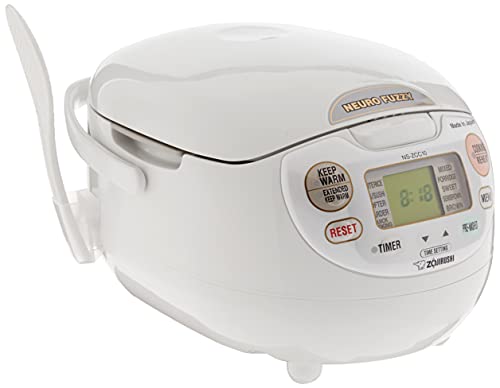
- 5-1/2-cup computerized rice cooker and warmer with advanced Neuro Fuzzy logic technology. Wall mountable
- Multi-menu selections; automatic keep-warm, extended keep-warm, and reheat cycles. Electrical Rating...
Last update on 2026-10-08 / Affiliate links / Images from Amazon Product Advertising API
(As an Amazon Associate, we earn from qualifying purchases.)
Six Dinners, One Sauce, No Special Trip
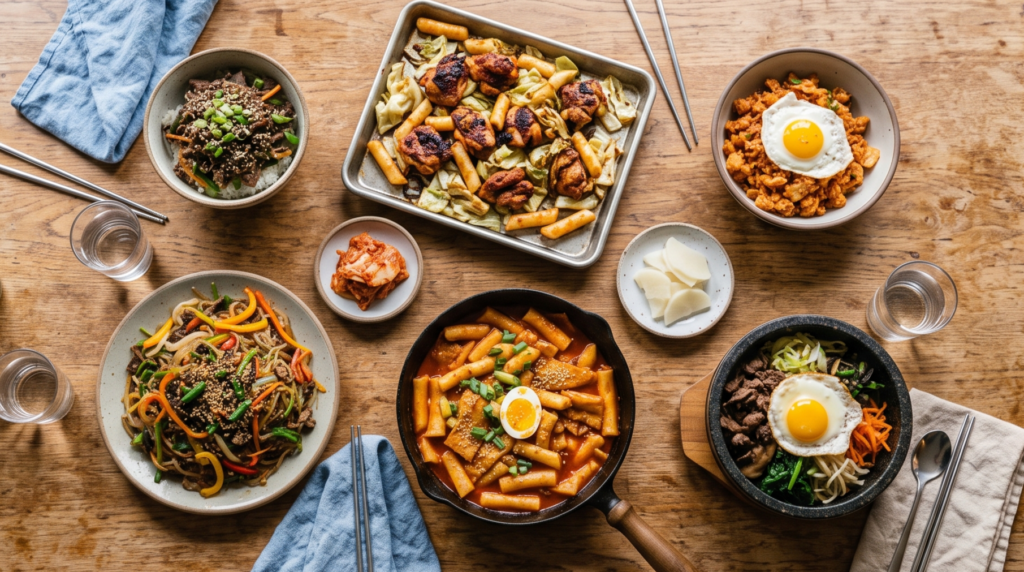
That's the whole rotation: one sauce base, one new pantry ingredient, six dinners that don't require a special trip or a free Saturday. Bulgogi covers the fast-and-cheap night. Dakgalbi covers the sheet-pan night. Kimchi fried rice covers the night you forgot to plan. Bibimbap covers the night the fridge needs cleaning out. Repeat the ones your family likes most and skip the rest.
That's what a rotation is for.
Get the Free Printable
Grab the printable version of all six recipes below: one page, fridge-ready, with the sauce base at the top so you're not flipping between pages while you cook.
FAQ
Q: Do I need a Korean grocery store to make these Korean recipes?
No. Gochujang is the only ingredient here that isn't already in most kitchens, and it's carried at most major grocery chains now, plus Amazon. Everything else, soy sauce, sesame oil, rice, is standard pantry stock.
Q: What can I use instead of gochujang if I can't find it?
Mix 1 tablespoon sriracha with 1 teaspoon miso paste for a close stand-in. It won't have the same fermented depth, but it covers the sweet-spicy profile well enough for weeknight cooking.
Q: How long does the sauce base keep in the fridge?
Up to one week in a sealed container. Double the batch on a Sunday and it covers the whole rotation without remixing it each night.
Q: Why did my tteokbokki turn out gummy instead of chewy?
It depends on how long they simmer: if they sit in the sauce too long, they turn gummy. Pull them the moment the sauce clings, usually right around 8 minutes, not longer.
Q: Can I make these recipes gluten-free?
Yes. Swap regular soy sauce for tamari or coconut aminos across every recipe. Check your gochujang brand too, since some contain wheat flour and others don't.
Q: Do I have to use short-grain rice for bibimbap?
It works best with short-grain because the stickiness holds the bowl together, but jasmine or basmati will still taste good if that's what's in the pantry already.
Q: Are Korean recipes always extremely spicy?
No, that's one of the bigger misconceptions. Heat is adjustable in almost every dish here by cutting the gochujang, and several traditional Korean dishes aren't spicy at all.