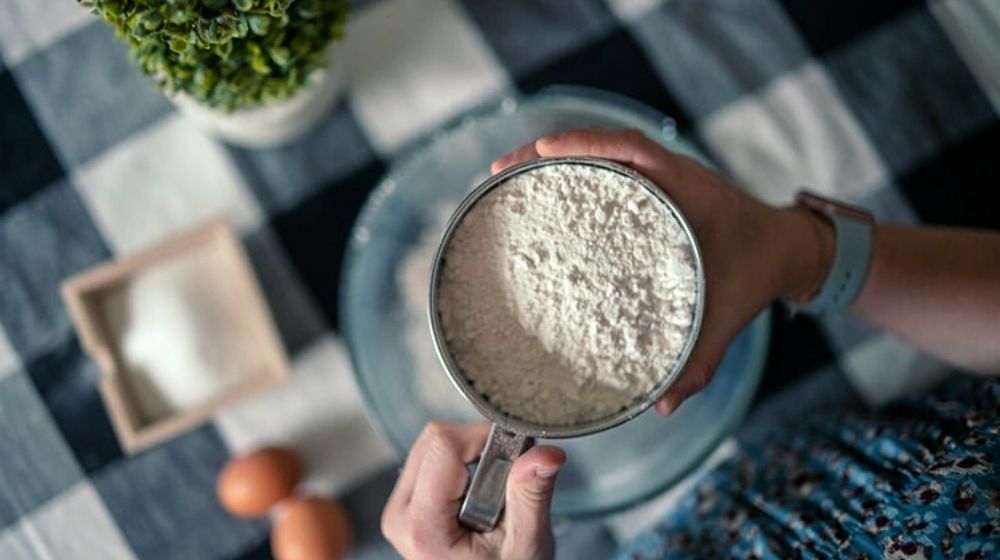


Flour is a staple you’ll always come across in your baking journey, but did you know there’s a proper way to store flour? Read on to learn more.
RELATED: How To Make Hollandaise Sauce to Store in Mason Jar | Recipe
How to Store Flour and Grains the Right Way
1. Refined Flour
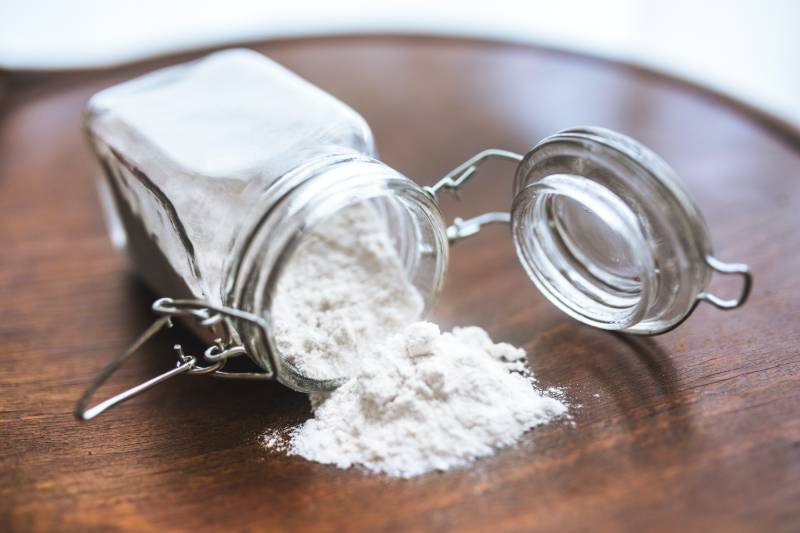
Refined flour is the type of white flour that you commonly see in grocery stores. They’re called refined because the flour has gone through a process where the wheat gets its bran and germs removed, leaving just the endosperm behind.
Because of this process, their oils get stripped off and thus it takes longer to spoil than whole-grain flour. Still, refined flours are sensitive to moisture so it’s best to store them in an airtight plastic or glass container.
Best to store with: Airtight Food-Grade Containers
Shelf life:
- Cool dry place – 1 year
- Freezer – 2 years
2. Whole-Grain Flour
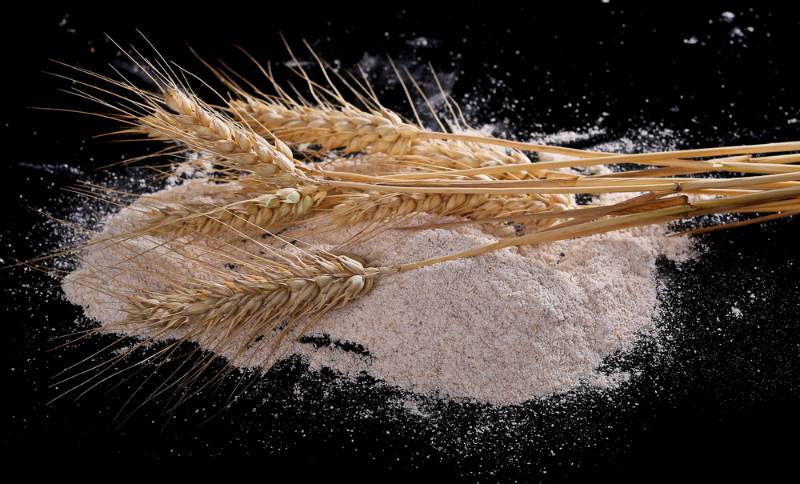
Unlike its refined sibling, whole-grain flours retain the bran and the germ, locking in more of its natural oils. This retains more of its fiber and nutrients at the expense of its shelf life.
To squeeze as much life out of whole-grain flours, keep them in the freezer for a couple of days first before you transfer them into airtight containers. The freezer is best if you’re not using them often, but the fridge or even a cool, dry place in the pantry could work if you know you’re going to run out right away.
Best to store with: Airtight Food-Grade Containers
Shelf life:
- Cool dry place – 6 months
- Freezer – 1 year
3. Nut Flour
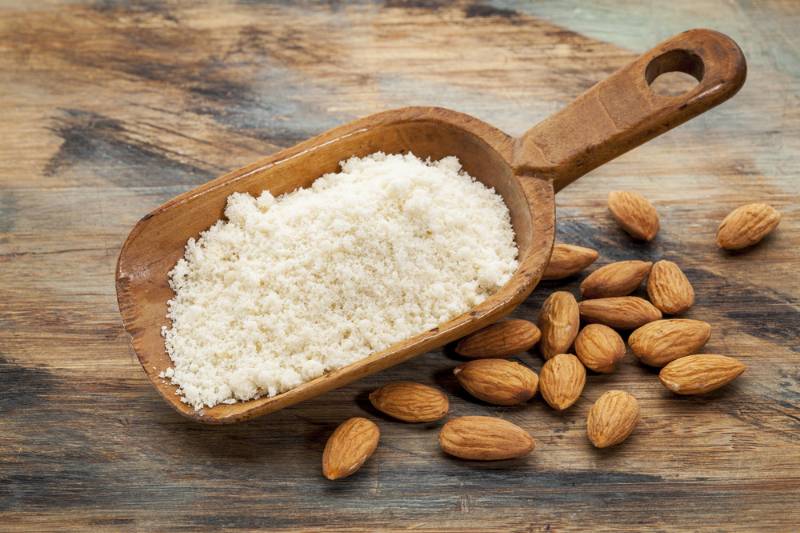
Nut flours like coconut and almond flour have high oil content compared to other flour types. Thus, they’re prone to going rancid much faster.
Stash them in the freezer immediately after opening. Make sure to place them as far from the freezer door as you can to lessen their exposure to rapid temperature changes.
Best to store with: Airtight Food-Grade Container in the Freezer
Shelf life:
- Cool dry place – 3 months
- Freezer – 6 months
RELATED: Easy Gluten Free Coconut Flour Muffins
4. Un-Milled Grains
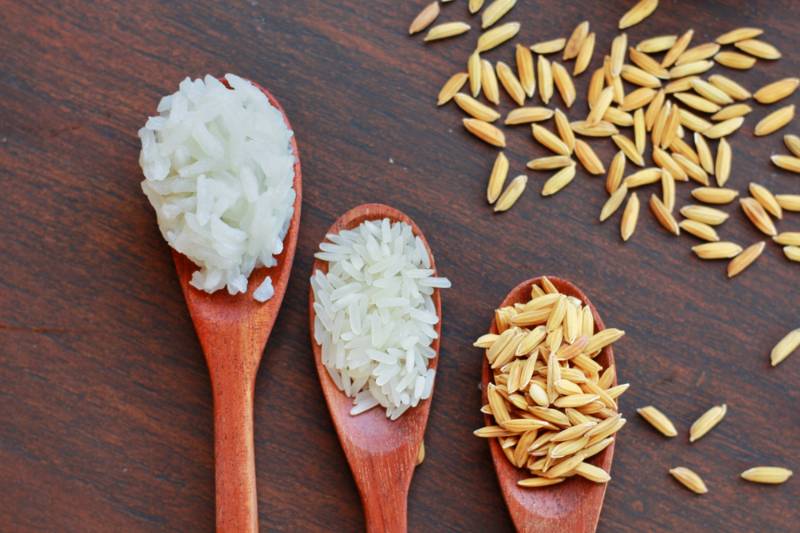
Un-milled grains like rolled oats or wheat berries are very shelf-stable compared to flour since the way producers process these types of grains end up stabilizing the natural oils in the grain. Store them in an airtight container in a cool, dry place away from sunlight.
Best to store with: Airtight Food-Grade Container away from sunlight
Shelf life:
- Cool dry place – 6 months
- Freezer – 1 year
5. Cornstarch/Corn Flour
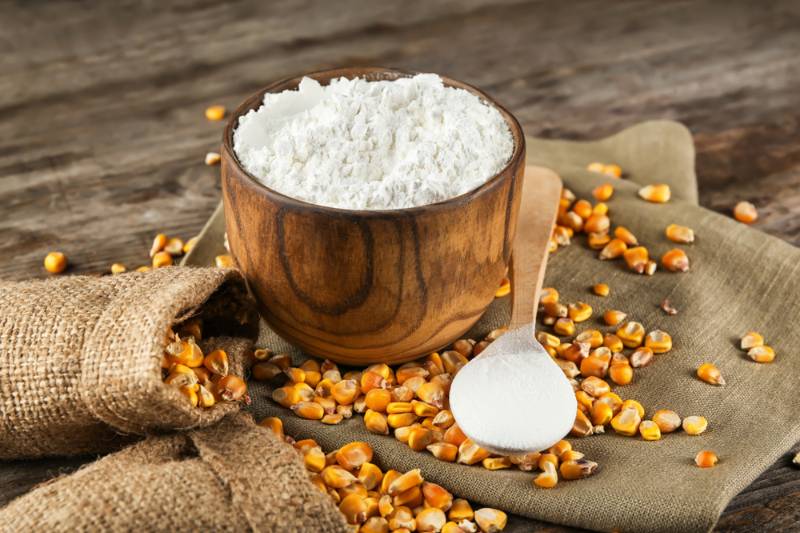
Cornstarch (or cornflour) is a type of flour derived from corn and is used for a variety of things like thickening soups and sauces. As long as you keep the container nice and dry and away from rapid changes in humidity, you can enjoy its long shelf life.
Best to store with: Airtight Food-Grade Container away from sunlight.
Shelf life:
- Cool dry place – indefinite
Flour Storage Tips

If something looks or smells off in your flour or grains, throw it away and get some new ones.
- A rancid smell means the oils have oxidized and your flour or grains have gone stale.
- Brown spots mixed in your flour means weevils (flour bugs) have taken over and you should toss them in the garbage.
- A minty smell is another dead giveaway for bug infestation.
Want to learn more about how to store flour properly? Wardee Harmon tells you how.
Storing flour need not be rocket science, but it doesn’t mean sticking it in your pantry and calling it a day. Keep this guide in mind, and you’ll never end up accidentally using stale flour in your pastries ever again.
How do you store flour in your kitchen? Let us know in the comments section below.
Up Next:
- How To Store Homemade Baby Food
- Quick and Easy Gluten-Free Chocolate Mug Cake
- 20 Recipes That Use Only 5 Ingredients or Less!
Don’t forget to keep in touch, foodies! You can also WRITE FOR US and share your delectable recipes!
Also, make sure to follow us on Facebook, Instagram, Pinterest, and Twitter!