


How to dry herbs? To be honest its actually much easier than you think, and so convenient. Read on for more information about how to dry herbs.
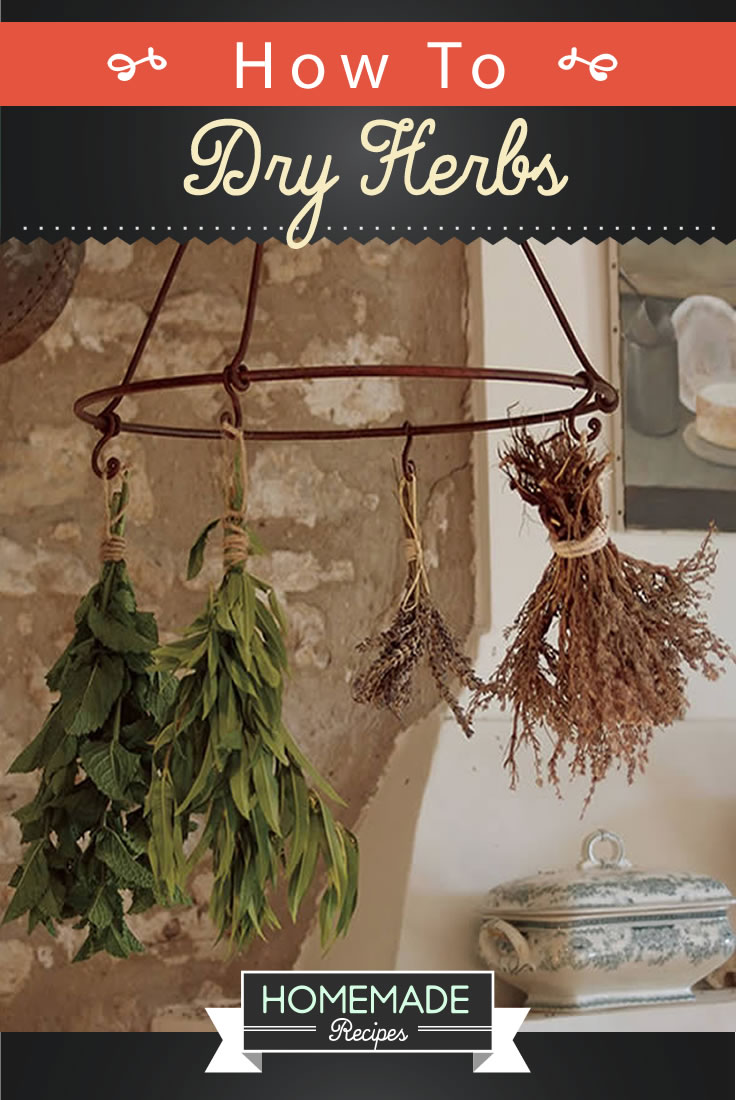
Ever wondered about how to dry herbs? Then, this must be your lucky day! With this simple and easy-to-do guide, you can have all those once wasted leaves dried and re-used.
No expertise needed, just pure love and a sprinkle of extra effort.
How to Dry Herbs
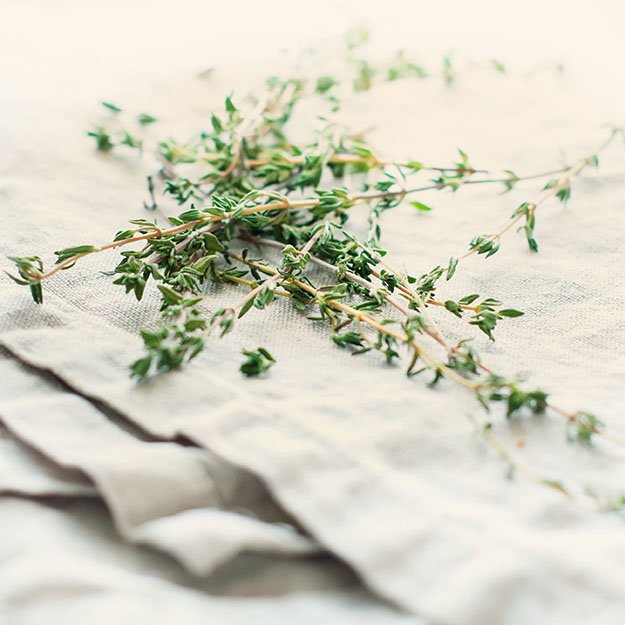
Popular herbs to dry are sage, thyme, rosemary, oregano, mint, tarragon, and basil. They are all often used in the kitchen for an array of recipes. Herbs like cilantro and parsley are so inexpensive to buy fresh, so you may want to consider not spendin time on drying them. Laurel or Bay leaves are very easy to dry, if you’re lucky enough to have them growing in your garden.
Start out by cutting large, sturdy stems of your herb of choice. If you aren’t planning on drying them immediately, you can store them in jars of water as you would fresh flowers. The best time of day to harvest herbs is in the morning. The best time to harvest herbs during the growing season is when they are plentiful and lush — not when they are starting to wilt and have dried out from the summer heat. Some herbs grow well into the fall (sage, parsley, rosemary, thyme), so use them fresh until the frost comes and harvest those you want to dry before the first hard frost.
Step 1.
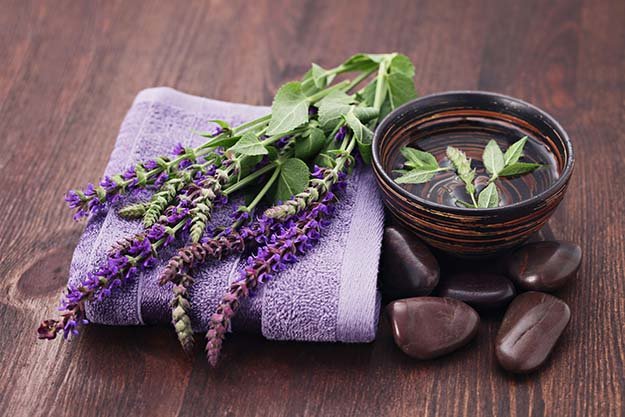
Carefully wash each stem by swishing it in a bowl of cool water. Allow them to air dry on a cooling rack or strainer, or by gently blotting with a soft towel.
Step 2.
Carefully weave twine through the sturdiest bottom stems and the main stem. Leave a good length of string at the end.
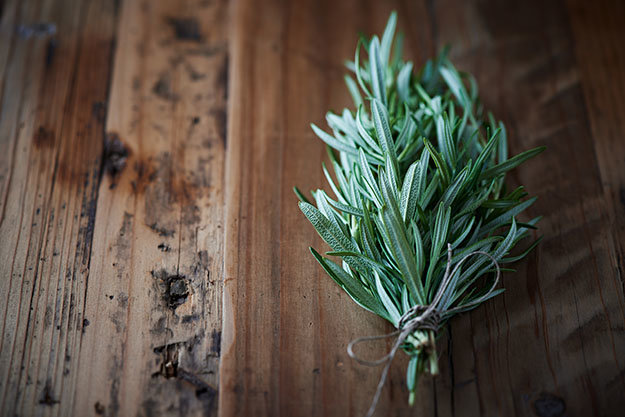
Step 3.
Hang herbs upside down in an area that is cool and dry. I prefer to hang mine in my kitchen because I’m in there every day and I don’t forget to check on them.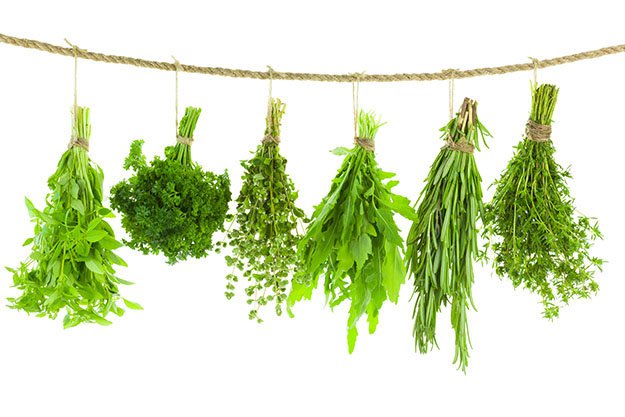
Step 4.
Each day or so, inspect herbs for any signs of mold or pests (spiders), and turn them if necessary (only if they’re against a wall like those pictured). If there are any leaves that have mold, remove them and any leaves immediately around the area. If you are worried about pests getting to the herbs, particularly if you are drying them in the basement, wrap cheese cloth around the herbs and secure it with more twine. Check more often for any signs of mold.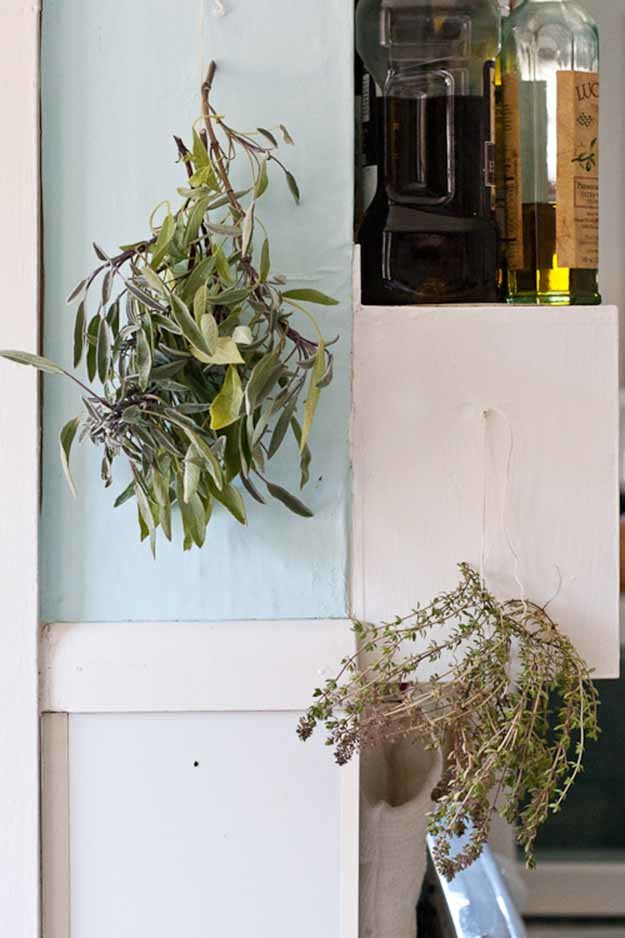
(via Design Mom, click here for full tutorial)
Step 5.
When the leaves are completely dry (anywhere from a few days to 1-2 weeks, depending on where you live — humid climates take much longer than dry ones), carefully remove the dry leaves from the stems and place in an airtight plastic bag or glass jar.
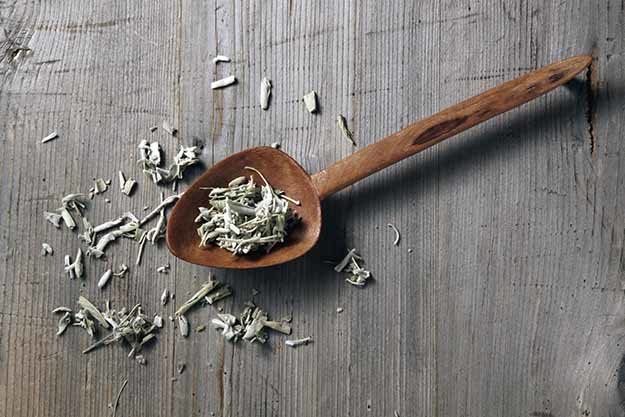
You can save jam and old herb/spice jars just for this purpose. You can also store whole leaves, or crush them between your fingers before storing them.
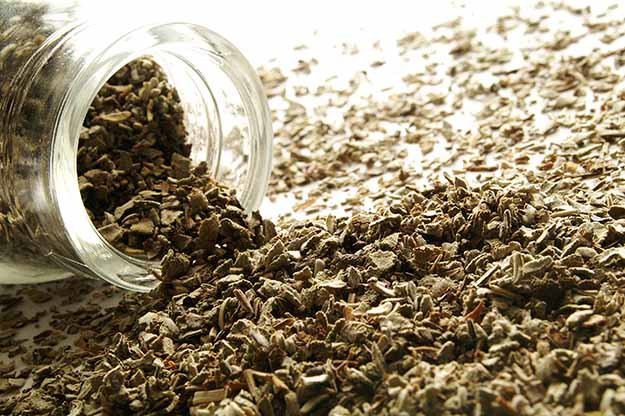
The herbs will keep well in a dark, dry cupboard for months and months.

If you’d rather not hang up the herb stems, or you don’t have a place to hang them, removing the leaves from the stems before drying works exceptionally well too.
Layer paper towels on a rimmed baking sheet and scatter the clean leaves (they don’t have to be dry) evenly over the towels. Cover with another layer of towels and allow to air dry for several days. Alternatively, this can be done more quickly in an oven placed on the lowest setting, wedging a wooden spoon in the door to keep it ajar. This will darken the leaves drastically, but happily, it will not affect their flavor.
One last note: the rule of thumb when using dried herbs is to use about 1/4 or 1/2 lessherbs than fresh in a recipe, and vice versa. Enjoy your herbs!
That's all folks. Did you enjoy our list of Herb Garden Tips? Let us know in the comments section below what you thought of our Herb Garden Tips. Do you have a favorite Herb Garden Tips that's been in your family for ages? Share it with us and we'll give it a shot. We love making quick and easy recipes that you can make right from the comfort of your home. Hence the reason we started Homemade Recipes.com We want to share our love of cooking with the you! We need your help in creating a community of foodies where you can come and share your recipes and expect the best homemade food prepared by our team of expert chefs and food connoisseurs. Do you want to write for Homemade Recipes? Shoot us an e mail and make sure to stay in touch on Facebook, Twitter, and Pinterest!
Do you have Instagram? Don't forget to @HomemadeRecipesOfficial.
Click here to Like Us on Facebook.
Click here to Follow Homemade Recipes on Pinterest