

Welcome back to our comprehensive guide on How To Be A Master Chef for beginners and food enthusiasts! In today’s posts, we’ll go over tips on how to properly stock your kitchen and fridge for all your home cooking and baking endeavors! If you’ve ever wanted to be a master chef, the time is now, so let’s get started!
Learn how to Chop, Slice & Dice Like A Pro!
Poaching, Steaming & Boiling For Beginners
Over the course of this post, you will learn a variety of cooking techniques that will allow you to utilize the power of water! You will be able to cook vegetables, eggs, and seafood with water after reading this section! At the end of the post, you will try out a recipe for making mussels!
Dive In: Cooking With Water
Cooking with water is easy to do and makes for some great meals! These are the terms you need to know when cooking with water:
Parboiling & Blanching: These techniques are used to precook foods. If food is too tough or salty, these techniques can fix that. Rice is one of the more commonly parboiled foods to lessen the cooking time while keeping nutrients intact. You can also do this with tough vegetables to make them a little softer.
Simmering: Bring the liquid to a gentle boil where there are small bubbles breaking the surface. You will achieve this by have the water at a low temperature. 180 degrees should do the trick. This technique is used to slow cook and braise foods.
Boiling: To boil, you're going to want to bring the water to 212 degrees in a tall pot. Once the water comes to a complete boil (bubbling rapidly), you can boil the food. To make the water boil faster, cover your pot with a lid. Make sure you supervise your pot, so it does not boil over, but don't watch it too carefully! Watching water boil seemingly makes it take longer to boil!
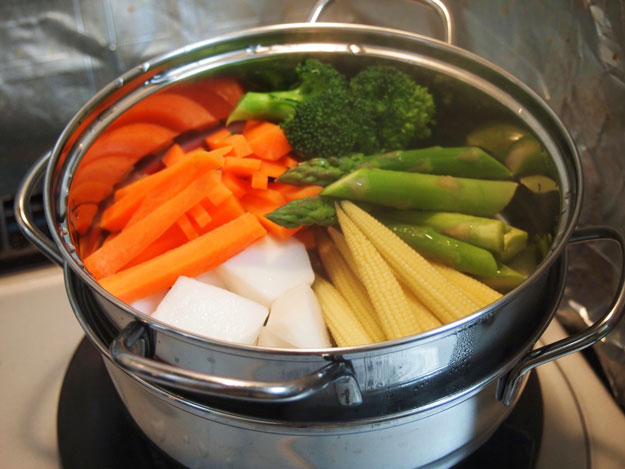
Steaming: Through this technique, you can keep your foods color, texture, shape, nutrients, and flavor intact. This gentle way of cooking uses the power of simmering water to cook. Simmer water and place your food on a perforated rack in a covered pot to steam it.
Reducing: This technique is used to boil down liquids to thicken and intensify the flavors. Usually, people use this technique for sauces, but it is very easy to burn them so make sure to avoid too much reduction!
Boiling Eggs With Ease
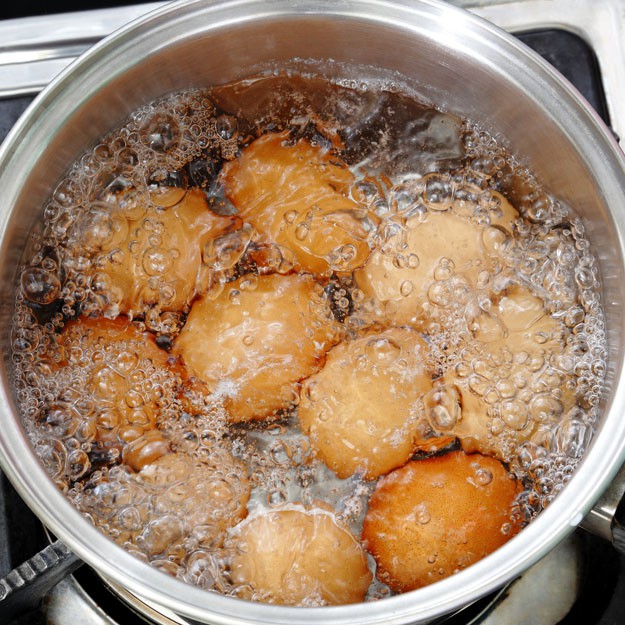
For such an easy technique to master, there are plenty of people who have had trouble boiling eggs. This section will show you how to make perfect boiled eggs every time!
- First, you will put your eggs in a saucepan or pot in a single layer.
- Next, put cold water in, covering the eggs with an excess of 1 inch of water.
- Place your cover on the saucepan or pot and boil the water over high heat as quickly as you can.
- Take the concoction off of the heat and allow the eggs to remain covered for 15 to 18 minutes depending on the size of the eggs (the larger they are, the more time you need).
- Remove the eggs using a colander and run cold water over them, allowing them to cool completely.
Keeping Nutrients In Your Vegetables
Cooking vegetables to make them super tender is usually what the goal is. Boiling veggies is a process that can leave your veggies too soft, but there are other techniques that will leave them tasting incredible and keep the nutrients intact!
Parboiling, Blanching & Steaming Vegetables
Parboiling
vegetables is usually called for dense vegetables (potatoes, carrots, turnips). This process allows them to soften up a bit prior to cooking. With this technique, you will ensure that the dense vegetables will cook at the same rate as the other ingredients in your dish. Broccoli and carrots are also parboiled at times.
Blanching vegetables or fruits is another technique used in a lot of kitchens. Through blanching, the foods are placed into boiling water for a few seconds and then put in cold water to cease the cooking process. This is how chefs take the skins off of nectarines, tomatoes, and peaches. Green beans are also blanched at times, allowing them to keep their flavor and color.
Steaming, the gentlest way to cook, is also one of the healthiest ways to cook because the nutrients remain in the foods. If you plan on steaming a lot of foods, you will want to get a steamer. One of the most common ways to steam foods is in a two pot system. The smaller pot is perforated and goes inside of a larger pot. The larger pot has water in it, and as it heats, the steam is distributed throughout the perforated pot, steaming the food.
Cooking Seafood With Water
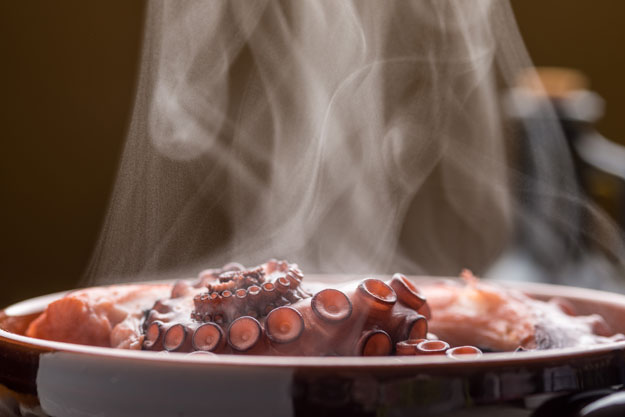
Poaching seafood keeps the flavor and texture of it. This technique is commonly used to cook salmon, halibut, tuna, swordfish, and cod because they are firm-textured fish. The biggest issue with this technique is that poaching fish does not allow you to use spices to flavor it, meaning the fish usually is accompanied by a sauce. You can put a herby flavor in the seafood if you poach it in seasoned vegetable broth, fish broth or add some clam juice in the water. Make sure you do not overcook your dish. It is very easy to overcook fish!
Steaming or boiling shellfish is the best way to cook it. Mussels, shells, crabs, and lobsters are all absolutely delicious when steamed or boiled. You steam the shellfish the same way you would steam vegetables. Let's test out your cooking skills with this simple recipe:
Steamed Mussels

Prep Time: Around 20 min, Cook Time: About 15 min, Yield: 2 servings
Ingredients:
- 1 tablespoon olive oil
- 2 tablespoons unsalted butter (room temperature)
- ½ cup of chopped onion
- 1 cup canned chopped tomatoes
- 4 medium cloves garlic, chopped
- 1 ½ cup chicken broth
- 3 sprigs fresh thyme
- Pinch salt
- 2 pounds mussels scrubbed and debearded
- Italian bread, sliced
Directions
- Heat a tablespoon of butter and olive oil in a 6 to 8-quart pot on medium heat until liquid. Then put the onion in and cook until it is transparent. Make sure to stir it. Then add the tomato and garlic and cook for around 2 minutes, allowing the garlic fragrance to release.
- Add the chicken broth, thyme, and salt. Cover the pot and put the heat on high, allowing the broth to come to a simmer. Lower the heat and let the mixture simmer uncovered for 4 or 5 minutes to reduce it a little.
- Put the heat back on high and put the mussels in. Cover the pot until the mussels open up. This should take 4 to 6 minutes. Turn the mussels over in the broth once. Throw out any of the mussels that do not open.
- Take a slotted spoon and put the mussels in a serving bowl.
- Put the last of the butter and parsley into the broth and stir it in at medium heat, allowing the butter to melt. Pour the broth over your mussels and bring out the bread to dip in the sauce!
Make these guides your best friends; catch them below:
Chapter 1: Be A Master Chef in 10 Days
Chapter 2: Kitchen Storage Ideas
Chapter 2.1: Main Kitchen Appliances
Chapter 2.2: Creating a Safe and User-Friendly Kitchen
Chapter 2.3: Essential Pots, Pans and Cookware
Chapter 3: How To Organize and Stock Your Kitchen Pantry
Chapter 4: How To Buy and Use Your Kitchen Knives
Chapter 4.1: Knife Cuts – Chopping, Dicing and More
Chapter 5: How To Steam, Boil, Poach and More
Chapter 6: How To Saute and Make Homemade Sauces
Chapter 7: How To Braise Meat and How To Make Stew
Chapter 8: How To Roast Meat, Veggies and Poultry
Chapter 9: How To Grill Steak, Chicken and Veggies
Chapter 10: How To Bake Goods and Desserts From Scratch
Chapter 10.1: How to Make Pie Crust, How To Bake Cakes and More!
Chapter 11: Cooking for Beginners – Breakfast
Chapter 11.1: Breakfast Bread – How To Make French Toast, Pancakes & Waffles
Chapter 13: How To Cook Perfect Pasta and Hearty Grains
Chapter 14: How To Make Sauces From Scratch
Chapter 15: Easy To Make Homemade Desserts For Beginners
Chapter 16: How To Make Single-Pot Recipes From Scratch
Chapter 17: Thinking Like A Chef – Cooking Tips for Beginners
Don’t forget to catch the next part of our guide to How To Be A Master Chef In 10 Days! We love hearing your feedback and comments, so let us know if you have any other tips for beginner cooks or your thoughts on this series. HomemadeRecipes.com was founded to create an online community where foodies, epicureans and chefs can share recipes and learn new ones! We need your help, however, in creating this community where you can come, share and learn. If you love to cook, love food or have some great recipes and ideas you’d like to share with us, shoot us an email and make sure to stay in touch on Facebook, Twitter, and Pinterest! We’re always looking for contributors and want to hear from you.
Sign up for our daily newsletter here!
Do you have Instagram? Don’t forget to follow @HomemadeRecipesOfficial.
Click here to Like Us on Facebook.
Click here to Follow Homemade Recipes on Pinterest