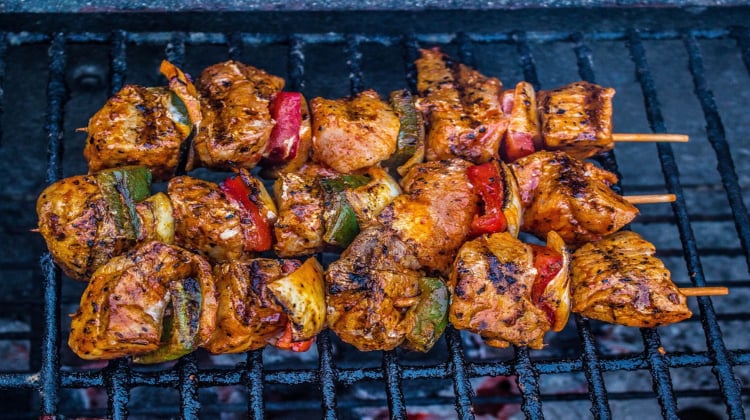


Before you start foraging in the wilderness, learn what the major tips and benefits are to sourcing your own food and medicine!
Chapter 6: Tips & Benefits To Being A Forager
There are more and more people who are looking at using more wild foods in their diets, including chefs that add them to their dishes as recipes. In today’s society, the economic difficulties that we deal with have made it less expensive to consume foods that we forage in many areas like hedgerows and the woods. It beats heading over to the market and purchasing them. You might be curious as to why there is so much talk about foraging and what its benefits are, so what better way to learn than by jumping in and doing some research?
6.1 – What Are The Benefits To Foraging?
- Wild plants are extremely rich in nutrients – There are various types of wild plants available that are high in nutrients and contain phytochemicals that the human body needs to sustain itself. What is so wonderful about these plants is that they have not been subjected to any genetic modification or hybridization. This keeps them strong and vital. Phytochemicals are chemical compounds that give a plant their individual characteristics such as smell, color and taste. Although they are not necessarily essential nutrients, they are greatly believed to hold a strong factor in slowing down many diseases such as cancer. The best way to attain the plants’ benefits would be by consuming them whole. Nothing is better than eating safe plants that are high in vitamins, minerals, fiber, and calcium.
- They contain omega-3 fatty acids – This nutrient is essential for stabilizing metabolism, lowering the risk of getting diseases, preventing high blood pressure or other heart complications, and lowering depression.
- They’re low in fat – There are no chances you will gain weight even if you consume bundles of these plants. If anything, you will decrease your chances of obesity and easily melt those pounds away.
- Foraging is a great way to exercise – Bet you never thought of this; well maybe you did, but the point is that you are definitely on the move as you are walking to locate plants. It is like a combination of weight resistance with cardio. You are going to be doing a lot of activities like climbing, digging and even running. Remember to pack a bottle of water with you, especially during the summer season. With all the healthy eating and exercise you will be doing, you will become as fit as a fiddle.
- Wild plants look and taste fresher – Foods that are genetically modified and cultivated are highly altered. They are bred to appear fresh, resist any shipping damage, have a mild taste, and be harvested and stored with ease. These breeding mechanisms end up causing the plants to lose their valuable nutritional compound. Since wild plants do not have to worry about going through this, their way of fighting to survive is through their chemical agents. These are known as antioxidants, minerals, vitamins, flavonoids, and lycopene. Because wild plants are often consumed not too long after they are collected, they taste fresh. Do not take my word for it, you can compare what consumers sell in stores and farmers’ markets, you will notice the difference.
- It encourages bonding –There is a general set of rules when it comes to foraging. You absolutely can’t invite yourself into someone else’s garden without their permission, so as a forager you will have to interact with others quite often. It is almost like a domino effect once you get talking to people that you end up forming a bond with strangers or neighbors in your community.
- It is cheap – This one is quite obvious; you are picking free meals when you are a forager. You never know what edible plants could be growing even in your backyard, and all you need to do is start gathering them to consume them. There will be less of a need to visit supermarkets, and you do not have to worry about putting out any real investment. You are not the one purchasing the seeds or getting the fertilizer.
- A heightened sense of weather – Since you will be spending so much of your time outside, you can't help but notice what the weather is like on a day to day basis. You will realize you could start to notice when the weather will start to become cloudy or windy. Alternatively, you could learn it by checking the plants, as well as the actions of many insects and animals surrounding the area.
6.2 – The Guidelines
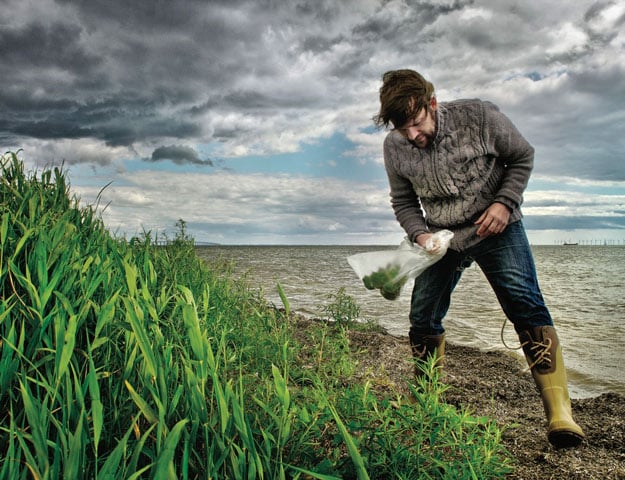
image via New Yorker
There are certain rules that you should follow when you are foraging. The most important rule is that you should never consume a wild plant prior to meeting with a local expert. Although you may not initially think so, there are always people willing to lend their knowledge and experience to help you. Try to challenge yourself and see if you pick a plant that has been confirmed by an expert as safe to eat. You are not required to consume every plant that is edible though because different people do experience different reactions. What may be edible for someone else to eat may not apply to you, and you could start to experience unwanted reactions, even if you have no known allergies. It is often because of this that a lot of wild plants are not sold on the market. If you happen to see a plant you would like to test, you should follow certain guidelines to keep you safe.
>>Identify the Plant< >>Be aware of the Dangerous Species in Your Local Area< >>Find a Mentor<
Get the next chapter before anyone else by keeping in touch!
Sign up for our daily newsletter here!Have Instagram? Don’t forget to follow @HomemadeRecipesOfficial.Click here to Like Us On Facebook.Click here to Follow Homemade Recipes on Pinterest