

Fast Facts: How to Make Canned Tuna Taste Better
- Drain the can completely, then let the tuna sit on paper towels for one to two minutes. Excess liquid is the single biggest reason canned tuna tastes flat and mushy and the easiest thing to fix.
- Add one bright ingredient right after draining. Lemon juice, pickle brine, Dijon, or capers make canned tuna taste better fast without requiring any cooking.
- Oil-packed tuna, especially olive-oil-packed, tends to taste richer and less one-dimensional than water-packed straight out of the can.
- Crunch fixes the texture problem. Celery, chopped pickles, or toasted breadcrumbs give tuna salad structure so it doesn't eat like paste.
- This approach works across canned tuna recipes: sandwiches, rice bowls, pasta salad, lettuce wraps, and toast.
- Canned tuna is one of the fastest options for quick high protein pantry meals. A well-drained, properly seasoned can goes from pantry to plate in under five minutes.
Why So Many Home Cooks Want to Know How to Make Canned Tuna Taste Better
Canned tuna is genuinely useful. It's shelf-stable, inexpensive, ready in minutes, and packed with protein. But too often it comes out watery, oddly fishy, or so bland that even a heavy hand with the mayo can't save it.
A widely circulated Reddit discussion surfaced about what a lot of home cooks already suspected: the problem usually starts before any seasoning happens. Thorough draining made a noticeable difference for dozens of commenters who had written canned tuna off entirely.
The fix is straightforward. When canned tuna tastes bad, it almost always needs two things: less moisture and more contrast. Get the liquid out, then add something bright and something with texture. That formula applies whether you're building canned tuna recipes for the whole week or pulling together a fast plate from whatever's already in the pantry.
The Real Reason Canned Tuna Tastes Flat
The packing liquid is the culprit. Water-packed tuna sits in brine that mutes flavor and softens texture before a single ingredient touches it. When that liquid stays in the bowl, every seasoning you add gets diluted. The tuna never tastes quite right no matter how much salt, lemon, or dressing goes in.
The texture problem follows right behind. Wet tuna turns pasty the moment it meets mayo or yogurt. Instead of a mixture with some body to it, you get something closer to spread. That soft, uniform texture makes every bite feel heavier than it should.
Oil-packed tuna behaves differently. The oil carries flavor into the fish during packing, especially when it's olive oil, so the baseline is already richer. That said, even good oil-packed tuna benefits from a proper drain. The goal is to control the moisture level, not just swap one liquid for another.
Flavor also needs balance. Tuna on its own is savory and slightly mineral. Without acid to cut it, fat to round it out, and texture to give it contrast, it reads as heavy and one-note. Every add-in decision after the drain should be working toward that balance.
How to Make Canned Tuna Taste Better: The Drain Method
Drain it longer than you think you need to. Most people open the can, tip it over the sink for a few seconds, and move on. That's not enough.
Here's the method that actually works:
- Open the can and press the lid firmly against the tuna to push out as much liquid as possible.
- Flip the can over the sink and hold it for at least 30 seconds.
- Transfer the tuna to a layer of paper towels and spread it out loosely.
- Let it sit for one to two minutes. The towels pull out the liquid the lid press left behind.
- Fluff the tuna gently with a fork before mixing anything in.
The difference this makes is real. The fishy smell that clings to excess liquid drops significantly. The texture firms up so the tuna holds some structure in the bowl. Dressing and seasoning coat the fish instead of pooling at the bottom. The salt, acid, and herbs you add actually taste like themselves.
This is exactly what the Reddit discussion kept circling back to. Multiple home cooks who described hating canned tuna said thorough draining was the first step that made canned tuna taste better again.
What to Add After Draining
Once the moisture is out, the tuna is ready to take on flavor. Every add-in decision falls into one of four categories. Work through at least two of them and the result will be noticeably better than anything you'd get from just mixing in mayo and calling it done.
Add something bright
Brightness cuts the heaviness that makes tuna taste flat. One of these is enough:
- Fresh lemon juice
- Red wine vinegar
- Pickle brine (a tablespoon goes a long way)
- Dijon mustard
- Capers
- Quick-pickled red onion
Recipes built around punchy, tangy ingredients consistently produce tuna with more lift and contrast. Quick-pickled onion in particular adds both acid and a mild sharpness that plays well against the fish without overpowering it.
Add something creamy
The creamy element binds the mixture and adds richness. Standard mayo works, but it's not the only option:
- Full-fat Greek yogurt for a lighter result with more tang
- Labneh, which adds richness without making the mixture feel heavy
- A drizzle of good olive oil if you want to skip the dairy entirely
Labneh is worth trying even if it's new to you. The combination of fat and tang does something to canned tuna that plain mayo doesn't quite manage.
Add something crunchy
Texture is what separates a tuna salad worth eating from one that feels like filler. Any of these will do the job:
- Finely chopped celery
- Chopped dill pickles or bread-and-butter pickles
- Raw red onion, finely diced
- Toasted breadcrumbs pressed in right before serving
- Crushed crackers for a quick fix
Toasted breadcrumbs are especially useful as a rescue move for a batch that ended up wetter than intended. A spoonful stirred in just before eating absorbs the excess and adds crunch at the same time.
Add something savory
This is the layer most home cooks skip, and it's the one that makes the biggest difference in depth:
- A small splash of fish sauce (half a teaspoon is enough)
- One or two finely minced anchovy fillets
- A drizzle of olive oil even if you've already added a creamy element
- Freshly cracked black pepper, more than you think
- Garlic powder, not garlic salt
A small amount of fish sauce or minced anchovy adds savory depth that makes the tuna taste more complete without reading as fishy. The key is small amounts. You're building a background note, not a feature flavor.
Five Canned Tuna Recipes Worth Making on Repeat
Once you have the formula, the combinations are easy to rotate. These five cover most situations:
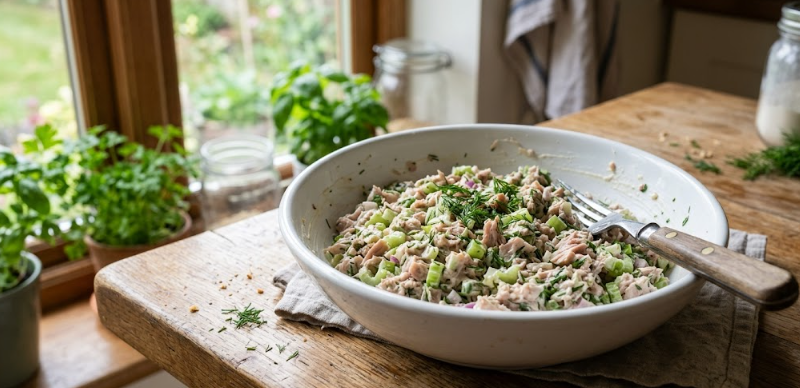
- Lemon dill tuna — lemon juice, fresh or dried dill, a spoonful of Greek yogurt, and celery. Clean, bright, and works in sandwiches or on crackers without feeling heavy.
- Pickle brine tuna — skip the lemon and use pickle brine instead, with chopped dill pickles and a little Dijon. Deli-style bite, more assertive flavor, holds up well in wraps.
- Labneh herb tuna — labneh, fresh parsley, lemon zest, and quick-pickled onion. Lighter than mayo-based versions. One of the better easy tuna lunch ideas for days when you want something that doesn't feel like diet food.
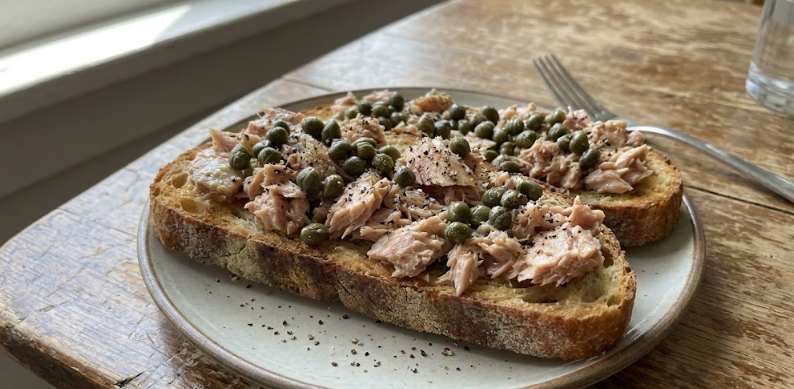
- Olive oil caper tuna — good olive oil, capers, a few anchovy bits, and cracked black pepper on thick toast. No mixing required beyond a rough fluff. Tastes like something you'd order at a café.
- Spicy tuna with chili crisp — chili crisp stirred directly into the drained tuna, a little soy sauce, sliced scallion, and sesame seeds over rice. Fast, filling, and one of the most satisfying quick high protein pantry meals you can put together on a weeknight.
How to Choose a Better Can From the Start
The can itself matters more than most people realize. Water-packed tuna is the default in most pantries, and it works when it's drained properly. Oil-packed tuna, particularly olive-oil-packed, starts from a better baseline. The oil carries flavor into the fish during packing, which means less work at the seasoning stage.
When shopping, a few things worth looking for:
- Solid pack vs. chunk — solid pack holds its texture better and flakes apart cleanly
- Oil type — olive oil packs taste more rounded than soybean or vegetable oil packs
- Skipjack vs. albacore — skipjack tends to have a stronger flavor; albacore is milder and denser
Premium brands like Wild Planet position their product around richer flavor and higher protein content, which holds up in practice. If mercury levels are a concern, Safe Catch is the brand with documented individual mercury testing on every can — a specific and verifiable claim, not just marketing language.
Keeping a few cans of solid olive-oil-packed tuna in the pantry costs very little extra per can and makes a meaningful difference in the finished result. A better starting ingredient means less fixing at the end, which matters when you're trying to put together quick high protein pantry meals without much effort.
Easy Ways to Use Canned Tuna Once It Actually Tastes Good
Well-seasoned tuna opens up a lot of fast meal options. These are the formats that work best for easy tuna lunch ideas and fast weeknight plates:
- Classic sandwich — on toasted sourdough or a soft roll with butter lettuce
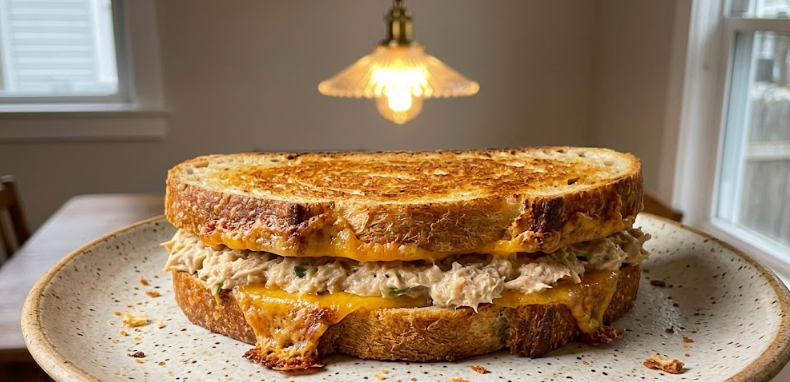
- Tuna melt — open-faced on thick bread with sharp cheddar, under the broiler for two minutes
- Rice bowl — over warm rice with avocado, scallions, sesame seeds, and chili crisp
- Lettuce cups — bibb or butter lettuce leaves with pickled onion and a drizzle of olive oil
- Pasta salad — with rotini, sun-dried tomatoes, olives, and a lemon vinaigrette
- Stuffed avocado — halved avocado filled with the olive oil caper version
- Crackers and snack plate — with sliced cucumber, pickles, and whatever cheese is in the fridge
Most of these take under ten minutes once the tuna is drained and mixed. Canned tuna is already a fast ingredient. Draining it properly and adding two or three well-chosen things turns it into a fast ingredient that actually tastes good — and earns its place in your regular rotation of canned tuna recipes.
Mistakes That Make Canned Tuna Taste Worse
Most bad canned tuna experiences trace back to one of these:
- Not draining enough. The most common mistake by a wide margin. Wet tuna dilutes every seasoning you add. The flavor never lands because the liquid keeps interfering.
- Overloading with mayo. Mayo is a binder, not a flavor. Too much of it creates a heavy, uniform paste that swallows every other ingredient. Start with less than you think you need and add from there.
- Skipping acid. Tuna without brightness tastes dull and heavy. A tablespoon of lemon juice or pickle brine costs nothing and fixes the problem in one step.
- Forgetting texture. A soft, uniform mixture is hard to eat with any enthusiasm. Celery, pickles, or breadcrumbs give the tuna contrast, which makes it feel more like a real dish and less like emergency food.
- Under-seasoning. Tuna needs more salt than most people add. Taste after you mix in the creamy element, not before. The mayo or yogurt will mute the seasoning level and you'll need to adjust.
- Using stale celery or bitter onion. Both are common because they're pantry staples that tend to linger. Limp celery adds nothing but soft texture. Overripe raw onion turns harsh. Use fresh, or use quick-pickled onion instead.
- Mixing too aggressively. Stirring hard breaks down the tuna into mush. Fold gently to keep some flaky texture in the finished mixture.
How to Make Canned Tuna Taste Better, Starting Tonight
The answer is the same as it was at the top: drain it well, then add one bright ingredient and one texture element. That's the whole system. Everything else builds on top of it.
Getting that right changes how canned tuna fits into your week. It stops being the backup plan you reach for when nothing else is available and starts being a legitimate option in your regular lineup of canned tuna recipes. Fewer meals that feel like a compromise is worth a few extra minutes with a fork and some paper towels.
Pick one version from the flavor combos above and try it tonight. The lemon dill is the easiest starting point. If canned tuna has always underwhelmed you, this is the fix that actually sticks.
FAQs
Q: What makes canned tuna taste better the fastest?
Drain it thoroughly, then add something acidic like lemon juice or pickle brine. Those two steps alone solve most of the flavor problem.
Q: Why does canned tuna taste fishy sometimes?
Excess packing liquid traps and concentrates the smell. A proper drain reduces the fishiness significantly before any seasoning goes in.
Q: Is oil-packed tuna better than water-packed?
Often yes, particularly olive-oil-packed. The oil carries flavor into the fish during packing, so the baseline is richer before you add anything.
Q: What can I mix with tuna besides mayo?
Greek yogurt, labneh, olive oil, Dijon mustard, and mashed avocado all work. Each one changes the final flavor and texture in a different direction.
Q: How do I add crunch to tuna salad?
Finely chopped celery, dill pickles, or red onion are the classics. Toasted breadcrumbs stirred in just before serving also work well and rescue a batch that got too wet.
Q: What seasonings go best with canned tuna?
Black pepper, dill, Dijon, lemon, capers, garlic powder, and a small amount of fish sauce or anchovy. At least two of these together gives the tuna enough complexity to feel like a real dish.
Quick Poll
Why did you vote that way? Drop your take in the comments.