

What Sustainable Cooking Looks Like in Real Life
- Sustainable cooking means choosing ingredients and kitchen habits that reduce waste and support long-term health
- It often starts with fresh local ingredients, smarter meal planning, and using what you already have
- Zero-waste cooking helps stretch your grocery budget while cutting down on food waste
- Slow food recipes bring more intention to everyday meals without making dinner feel complicated
- Small kitchen shifts, like saving scraps for broth or buying seasonal produce, can make homemade meals feel more meaningful
- Thoughtful cooking isn't about doing everything perfectly; it's about making better choices more often
Why Sustainable Cooking Is Resonating Right Now
Sustainable cooking has moved out of the niche and into the everyday kitchen. More home cooks are quietly shifting away from throwaway habits and toward choices that feel practical, lasting, and worth repeating.
That shift lands hardest in the kitchen. Where you source food, how much you use, and what you do with what's left over adds up faster than most people expect. Groceries cost more than they used to. Produce gets forgotten in the back of the fridge. The same dinners cycle through on autopilot while half a bunch of cilantro turns into a compost donation.
This approach to cooking wastes less, costs less over time, and makes each meal feel a little more deliberate. Zero-waste cooking fits naturally into a busy weeknight. Local ingredients make seasonal shopping feel purposeful rather than performative. Slow food recipes offer a pace that actually works for people who are tired by dinner time.
This guide is for home cooks who want to cook smarter without adding complexity. Every section connects to a real action you can take tonight or this weekend.
What Sustainable Cooking Really Means
Sustainable cooking isn't a diet and it's not a brand. It's a set of habits that prioritize using what you have, buying what's actually in season, and building meals that do more than one job.
At its most practical, it means:
- Buying less, using more by planning before you shop instead of shopping before you plan
- Cooking with what's fresh and available rather than chasing a recipe that requires three specialty items
- Building meals around ingredients that carry across multiple dishes in the same week
- Choosing durable kitchen staples over single-use convenience
It also means recovering some older kitchen habits that got lost somewhere along the way. Making stock from bones and vegetable scraps. Preserving fresh herbs before they wilt. Turning stale bread into breadcrumbs instead of throwing it out. These aren't complicated techniques; they're just decisions.
A smaller grocery haul of genuinely useful ingredients produces better meals than a full cart of items that half-get-used. Fewer ingredients, handled well, go further.
Why More Home Cooks Are Embracing This Shift
A few things collided to make this way of cooking feel less optional and more obvious.
Food waste is harder to ignore now. Once you realize how much household food gets thrown away each year, the half-used bag of spinach in the fridge starts to feel different. Zero-waste cooking gives that awareness somewhere useful to go.
Grocery costs haven't let up. Cooking from what's already in the kitchen, stretching ingredients across multiple meals, and skipping the specialty store run save real money. For a lot of families, that's the most compelling reason to start.
Local ingredients have also gotten easier to find. Farmers markets, community-supported agriculture boxes, and neighborhood produce stands are more available now than they were a decade ago. The draw isn't just environmental; locally sourced food tends to be fresher, more seasonal, and more connected to where you actually live.
Slow food recipes answer something different: the need for meals that feel calming rather than rushed. A pot of lentil stew or a tray of roasted root vegetables doesn't ask much from you actively. That pace suits home cooks who are done with dinner being the most stressful part of their day.
None of this requires signing up for a philosophy. It just requires a few small changes that stack up.
Easy Ways to Practice Sustainable Cooking at Home
Start With Seasonal, Local Ingredients
Seasonal produce tastes better because it's picked closer to the right time. It also naturally aligns with what your kitchen wants to make at that time of year.
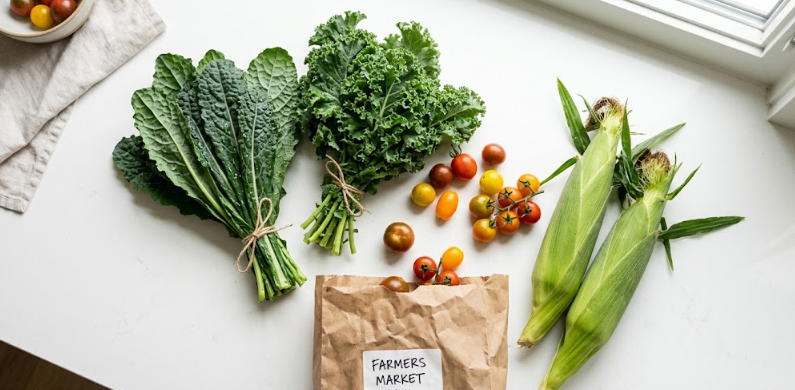
In warmer months, that means tomatoes, zucchini, summer squash, and fresh herbs. In cooler months, it shifts to squash, sweet potatoes, beets, and hearty greens. Cooking around what's actually in season makes meal planning simpler because the ingredient does more of the work for you.
Local ingredients don't have to come from a farmers market, though that's a good place to start. Grocery stores often carry regional produce; it's usually labeled. Buying it in season costs less and wastes less because you're not storing something that traveled far to get to you.
Build Meals Around What You Already Have
Pantry-first cooking is one of the most direct ways to reduce overbuying and food waste at the same time. Before you plan the week's dinners, do a quick scan of what's already in the fridge, freezer, and pantry. Then build around it:
- A roast chicken on Monday becomes chicken soup or wraps on Wednesday
- The bones and any remaining scraps go into a pot of broth on Thursday
- Grains cooked in bulk on Sunday show up in grain bowls and sides across the week
This is meal architecture, not rigid meal prep. Each cook feeds the next one rather than starting from zero every night.
Make Zero-Waste Cooking Feel Simple
Zero-waste cooking sounds more demanding than it actually is. Most of it comes down to a few consistent habits:
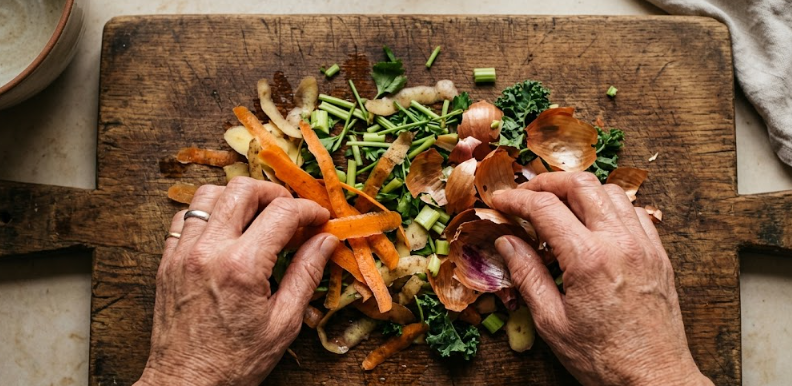
- Save vegetable scraps (onion ends, carrot peels, celery tops, herb stems) in a freezer bag for stock
- Turn stale bread into croutons or blitz it into breadcrumbs before it's too far gone
- Use herb stems in sauces and dressings instead of throwing them out with the leaves
- Freeze leftovers before they reach the forgotten stage, not after
- Keep a visible “use first” section in the fridge where things that need attention actually get seen
None of these require a new system. They require a small shift in what you notice and what you do with it.
Cook Slower When It Counts
Slow food recipes don't mean spending a Sunday afternoon hovering over a complicated braise. They mean choosing, sometimes, to let heat and time do the work instead of active effort.
A pot of beans simmered low for an hour. A tray of seasonal vegetables roasted until they caramelize. Homemade tomato sauce that goes on the back burner while you do something else. These meals produce more food per unit of effort, they reheat well, and they tend to feel more satisfying on the table. Cooking this way, even once or twice a week, makes the rest of the week feel more manageable.
The Best Recipes for a More Thoughtful Kitchen
Once the habits are in place, the recipes follow naturally. Here's where sustainable cooking becomes something you can actually eat tonight.
Zero-waste cooking recipes that put scraps to work:
- Vegetable scrap broth made from whatever's in the freezer bag
- Leftover roast chicken soup built from the carcass and any remaining vegetables
- Fried rice using mixed produce odds and ends that need using before the week ends
Meals built on local ingredients:
- Farmers market pasta that changes with whatever looked good at the stand that morning
- Sheet pan seasonal vegetables with olive oil and whatever fresh herbs are on hand
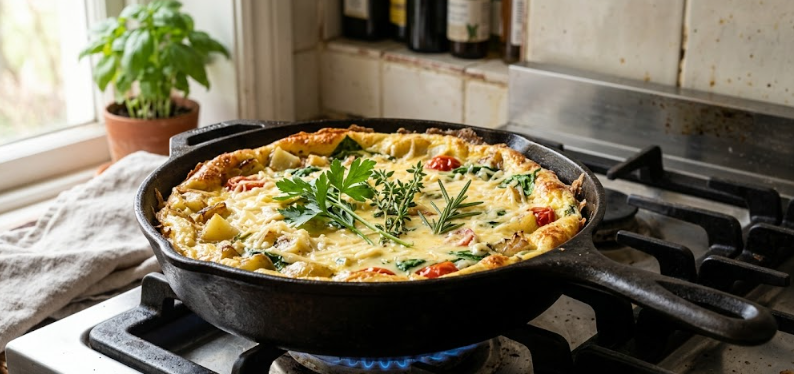
- Fresh herb frittata that uses up eggs and produce at the same time
Slow food recipes worth the wait:
- Simmered lentil stew that cooks itself while you're doing other things
- Homemade tomato sauce from ripe produce, jarred or used fresh
- Baked fruit crisp that turns slightly overripe fruit into dessert
Make-ahead staples that reduce weeknight friction:
- Homemade salad dressings that cost less and taste better than bottled
- Freezer-friendly soup kits assembled from scraps and batch-cooked proteins
- Make-ahead grain bowls built on whatever grain cooked earlier in the week
A durable sheet pan, a couple of good storage containers, and a compost bin make all of this easier to maintain. The tools don't need to be expensive. They just need to hold up.
How Sustainable Cooking Saves More Than Waste
The practical benefits show up faster than most people expect.
- It saves money. Cooking pantry-first, stretching ingredients across multiple meals, and wasting less produce adds up consistently over a month. The savings aren't dramatic in a single week, but they don't stop either.
- It builds kitchen confidence. When you stop relying on exact recipes and start understanding what your ingredients can do, cooking becomes less stressful. Knowing that wilted spinach works in a frittata and carrot ends belong in broth removes the pressure of perfection.
- It supports healthier meals. Cooking from scratch with seasonal produce and whole pantry ingredients tends to crowd out processed alternatives, not because of a rule, but because the ingredients are already there and dinner is already planned.
- It makes grocery shopping more intentional. Shopping with a list built around what's already in the kitchen changes the store trip entirely. Less guessing, fewer impulse buys, and fewer items that never get used.
- It reconnects you to the rhythm of food. Knowing what's in season, building meals around it, and using all of it creates a relationship with cooking that feels different from opening a bag or following a trending recipe. It's quieter. It's more useful.
A Kitchen That Works With Less Waste
Sustainable cooking doesn't ask you to do everything differently overnight. It asks you to notice what's in your kitchen, use it well, and build meals that last beyond a single dinner.
Start with one habit. Freeze the scraps. Pick up the seasonal squash instead of the shipped-in kind. Let a slow pot of beans do its thing on a Sunday. Good sustainable cooking grows from those small decisions, not from a commitment to a whole new way of eating. The kitchen you already have is a good enough place to start.
Frequently Asked Questions
Q: What is sustainable cooking?
Cooking that reduces waste, makes use of seasonal food, and gets more out of every ingredient you buy.
Q: Is sustainable cooking expensive?
It typically costs less over time because you're wasting less and stretching ingredients further across the week.
Q: What's the difference between sustainable cooking and zero-waste cooking?
Sustainable cooking is the broader approach; zero-waste cooking is the specific habit of using more of what you already bought.
Q: Why do local ingredients matter?
They tend to be fresher, more aligned with what's actually in season, and a practical way to support nearby growers and food makers.
Q: Do slow food recipes take too much time?
Most rely on low-effort prep and steady heat rather than active cooking, so the time is mostly hands-off.
Q: How can a beginner start cooking more sustainably?
Start by scanning the pantry before shopping, saving scraps for broth, and planning at least one meal that reuses something from the night before.
Q: What are the easiest zero-waste cooking habits to try first?
Keep a freezer scrap bag for stock, move forgotten ingredients to a visible spot in the fridge, and freeze leftovers before they're past saving.
Quick Poll
Is “sustainable cooking” just a rebrand of what broke people have always had to do?
- A) Yes, and food media is just now catching up to what budget cooks figured out years ago
- B) No, it's a real mindset shift that goes beyond just using what you have
- C) Honestly, calling it “sustainable” makes it harder to take seriously
Why did you vote that way? Drop your take in the comments.