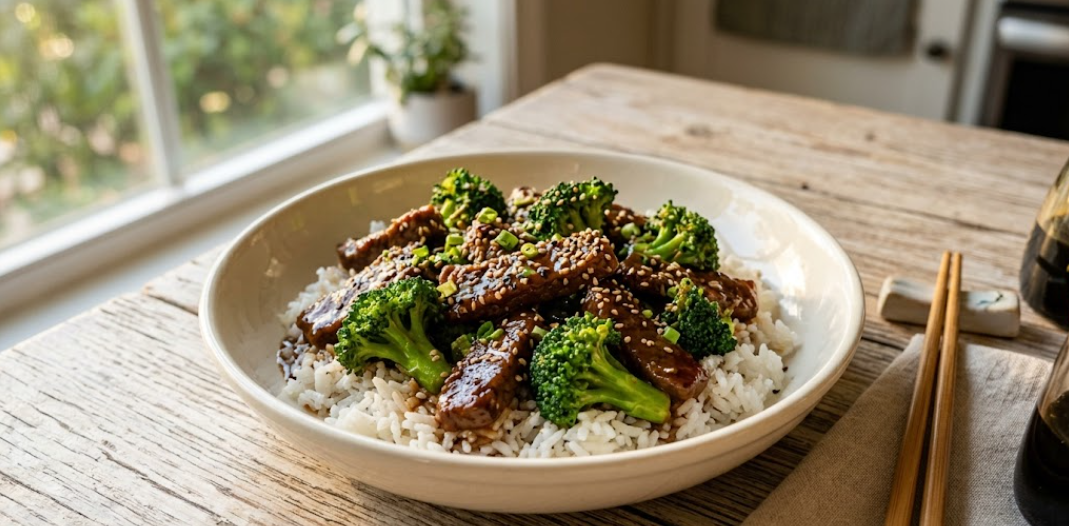


What to Know About This Beef and Broccoli Recipe
- This homemade beef and broccoli recipe serves 4 people for about $8 total, compared to roughly $40 for delivery.
- Velveting is the technique that makes restaurant beef silky and tender. It takes 15 minutes and uses baking soda already in your kitchen.
- The easy beef and broccoli sauce needs just three core ingredients: oyster sauce, soy sauce, and cornstarch. Each one has a documented substitute.
- Chewy beef is almost always a slicing problem. Cutting against the grain is the fix, not a different cut or a longer cook time.
- Soggy broccoli comes from over-blanching. Thirty to sixty seconds in boiling water is the limit.
- The full cook takes 20 minutes once everything is prepped. The sauce, broccoli, and velveted beef can all be prepped 24 hours ahead.
- Leftovers keep for 4 days and the sauce works on noodles the next day.
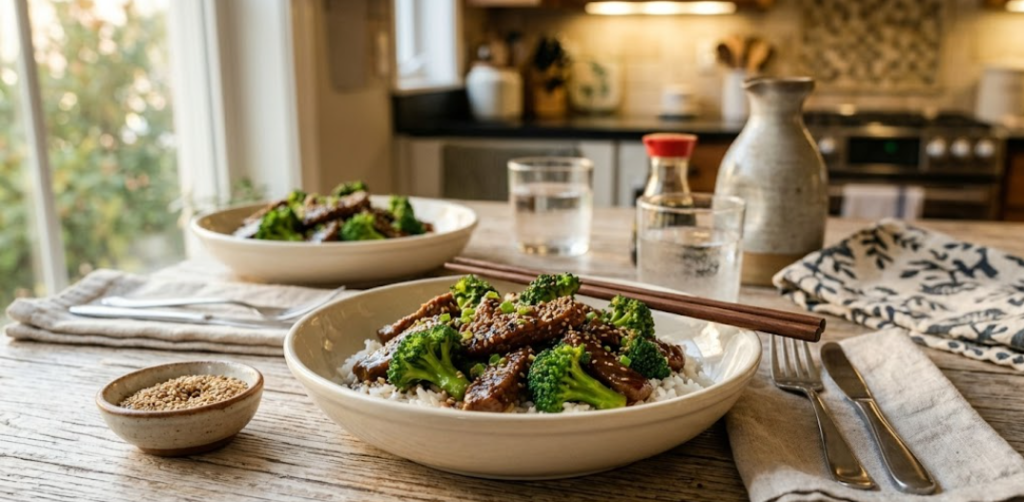
You already know what good beef and broccoli tastes like. Silky, tender beef. Broccoli that's bright green and still has a little bite. A glossy brown sauce that coats every piece without pooling at the bottom of the bowl.
What you might not know is why yours doesn't taste like that. The fix is simpler than any recipe has told you.
This homemade beef and broccoli recipe costs about $8 for four servings. It takes 20 minutes once you've prepped. And it uses a five-minute technique that restaurants use on every order but almost no home recipe bothers to explain.
Here's what's actually going on and how to replicate it in your kitchen tonight.
What Makes Restaurant Beef and Broccoli Taste Different From the Homemade Version?
Restaurant beef and broccoli tastes different because of two things most home recipes skip: velveting the beef and cooking at high enough heat to sear rather than steam. Velveting is a quick baking-soda soak that breaks down the protein in the beef, producing the silky texture you get at a Chinese-American restaurant. High heat, combined with a dry and uncrowded pan, creates the caramelized crust that gives the dish its depth. The sauce ratio matters too: oyster sauce for umami, soy for salt, cornstarch for cling, and a small amount of sugar to balance both.
What You Need to Make This Beef and Broccoli Recipe
Serves 4 | Total cost: ~$8
For the beef and velveting marinade:
- 1 lb flank steak, thinly sliced against the grain (sub: sirloin or skirt steak)
- 1 tsp baking soda
- 1 tbsp cornstarch
- 1 tbsp low-sodium soy sauce
- 1 tsp sesame oil
For the easy beef and broccoli sauce:
- 3 tbsp oyster sauce (sub: 2 tbsp hoisin + 1 tbsp soy sauce)
- 2 tbsp low-sodium soy sauce
- 1 tbsp cornstarch, dissolved in 2 tbsp cold water
- 1 tsp brown sugar
- 2 cloves garlic, minced
- 1 tsp fresh ginger, grated
- ½ cup beef broth (sub: chicken broth)
- 1 tsp sesame oil (added at finish, off heat)
- 1 tbsp Shaoxing wine (sub: dry sherry, or omit)
For the broccoli:
- 4 cups broccoli florets, cut into even bite-sized pieces
To cook:
- 2 tbsp neutral oil, divided
To serve:
- Steamed jasmine rice
- Sesame seeds (optional)
Best Pans for Better Beef and Broccoli
The pan is the single biggest variable in this recipe. A wide, heavy pan with good heat retention gives you the surface area to sear rather than steam. Without it, the beef crowds and stews instead of browning, and you lose the caramelized crust that makes this dish taste like takeout.

- Flat Bottom Heavy 12 Inch 15 gauge (1.8mm) carbon steel wok, commercial grade. Traditional Chinese wok...
- Chinese wok pan with flattened bottom: suitable for flat electric and flat induction stove. Not 100% flat...
Last update on 2026-10-09 / Affiliate links / Images from Amazon Product Advertising API
Carbon Steel Wok: The traditional choice. Heats fast, holds high heat well, and gives you the sloped sides that make tossing easy.
No products found.
(As an Amazon Associate, we earn from qualifying purchases.)
Large Cast Iron Skillet: A solid alternative if you already own one. Heavier than a wok but delivers the same high-heat sear.
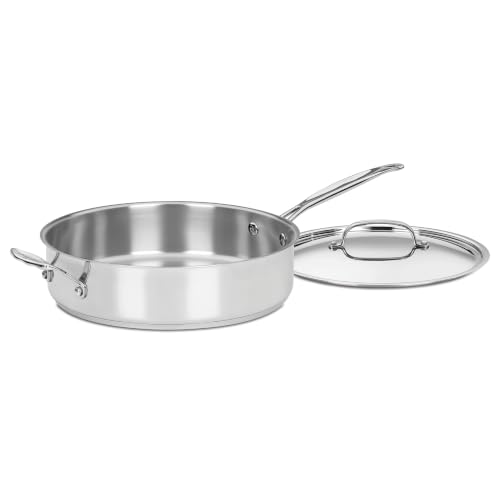
- EXCEPTIONAL DESIGN: The 5.5-Quart Saute Pan with Helper Handle and Flavor Lock Lid has straight high...
- COOKING AND CLEANING: Experience professional performance with an aluminum encapsulated base that heats...
Last update on 2026-10-09 / Affiliate links / Images from Amazon Product Advertising API
(As an Amazon Associate, we earn from qualifying purchases.)
Large Nonstick Skillet or Saute Pan: The easy-clean option for casual weeknight cooks. Won't get quite the same crust as carbon steel, but gets the job done without the maintenance. See skillet options.
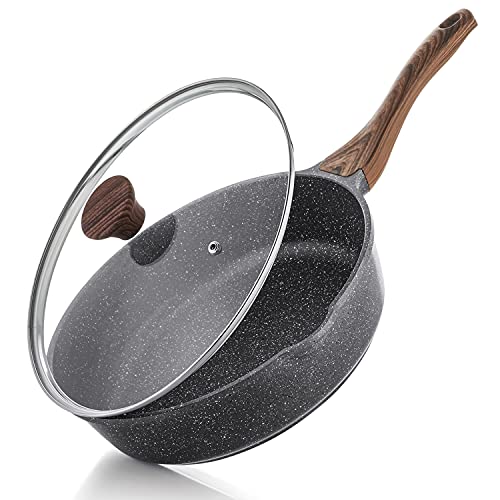
- Swiss Non-Stick Coating - Switzerland ILAG nonstick granite coating, free of intentionally added PFOA...
- Suitable For All Stoves - High magnetic conductive stainless steel base allows the deep frying pan to...
Last update on 2026-10-09 / Affiliate links / Images from Amazon Product Advertising API
(As an Amazon Associate, we earn from qualifying purchases.)

Secret #1: The Cut You Choose Decides the Texture Before You Cook Anything
Flank steak is the standard for a reason. It's lean, it slices thin, and it cooks fast without drying out. Sirloin and skirt steak both work well too. What doesn't work is a thick, well-marbled cut that takes too long on high heat. By the time the center is cooked, the outside is overdone and chewy.
Slicing matters as much as the cut. Flank steak has visible muscle fibers running in one direction. Cut parallel to those fibers and you get long, rubbery strands. Cut across them, perpendicular to the grain, and you shorten the fibers into small cross-sections that chew easily.
If your beef is coming out tough, this is the first thing to check. Not the marinade, not the heat. The direction of your knife.
Freezing tip: Pop the steak in the freezer for 20 minutes before slicing. It firms up just enough to cut into thin, even strips without wrestling the knife through soft meat.

Prep Tools That Make Stir-Fry Night Faster
Stir-fry moves fast once the pan is hot. The prep is where you either set yourself up or fall behind. A sharp knife makes the thin beef slices this recipe depends on genuinely easy. A set of prep bowls lets you stage everything before the first ingredient hits the pan, which is the only way to cook stir-fry without chaos.
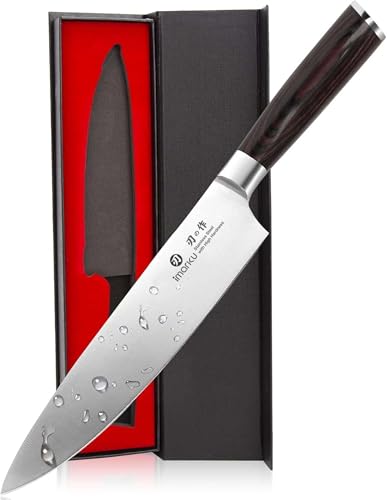
- High-Carbon Stainless Steel Blade: It is manufactured from high-quality stainless steel that maintains...
- Multi-functional Knife: The gyutou knife is classified and designed to be a multipurpose knife for...
Last update on 2026-10-09 / Affiliate links / Images from Amazon Product Advertising API
(As an Amazon Associate, we earn from qualifying purchases.)
Chef's Knife or Slicing Knife: Thin, even beef slices come from a sharp blade. A dull knife drags and tears instead of cutting clean.

- BAMBOO CUTTING BOARD of 3 - Keechee bamboo cutting boards for kitchen include 3 practical sizes...
- UPGRADE BAMBOO CUTTING BOARDS - Our bamboo cutting boards undergo high-temperature carbonization at...
Last update on 2026-10-09 / Affiliate links / Images from Amazon Product Advertising API
(As an Amazon Associate, we earn from qualifying purchases.)
Cutting Board Set: Separate boards for meat and vegetables matter here. Cross-contamination is a real concern when raw beef and fresh broccoli are prepped back-to-back.
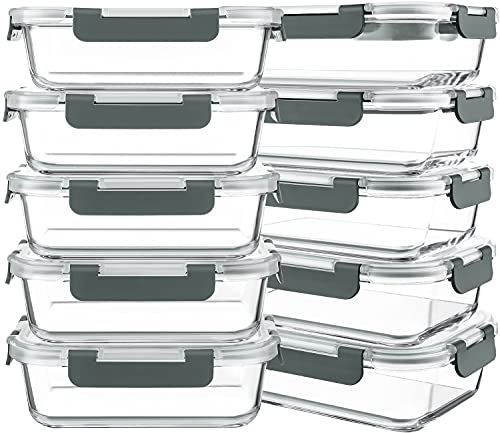
- GLASS MEAL PREP CONTAINERS 10 PACKS: Buying our versatile glass containers sets (10 plastic lids...
- BOROSILICATE GLASS: Our glass meal prep containers are made of premium borosilicate glass, which is...
Last update on 2026-10-09 / Affiliate links / Images from Amazon Product Advertising API
(As an Amazon Associate, we earn from qualifying purchases.)
Glass Prep Bowls / Mise en Place Bowls: Stir-fry requires everything measured and ready before you start. A set of small prep bowls is the difference between a smooth cook and a scrambled one.
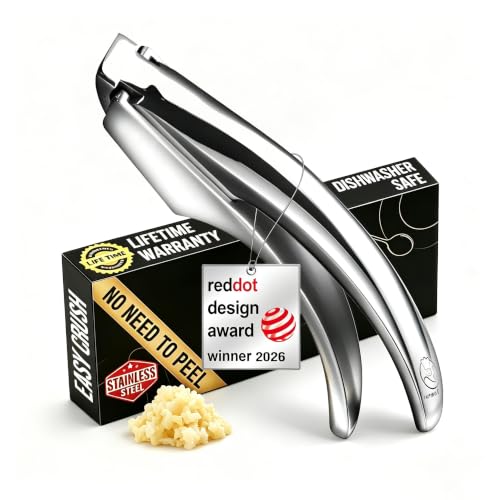
- NO PEELING REQUIRED, MESS-FREE & EFFICIENT – Skip the peeling process! This garlic crusher tool easily...
- DETACHABLE HANDLE WITH ROUND GRILL HOLES – The round-hole plate produces finely minced garlic with...
Last update on 2026-10-09 / Affiliate links / Images from Amazon Product Advertising API
(As an Amazon Associate, we earn from qualifying purchases.)
Garlic Press or Microplane / Ginger Grater: Mincing garlic and grating ginger by hand works, but a microplane or press cuts that prep time by half and gets a finer result that distributes more evenly in the sauce. Shop stir-fry prep tools.
Secret #2: Velvet the Beef (This Is the 5-Minute Step Restaurants Don't Tell You About)
How to Velvet Beef for Stir Fry
Velveting is what separates home cook beef from restaurant beef. It's not a special technique that requires equipment or skill. It's a 15-minute soak in a baking-soda marinade that changes the surface chemistry of the meat.
Baking soda raises the pH level of the beef. Higher pH makes it harder for the proteins to tighten and seize during cooking. The result is beef that stays tender and slightly silky even in a screaming-hot pan. That's the texture you've been trying to get by adjusting cook time or switching cuts.
The ratio: 1 tsp baking soda per 1 lb of beef. No more. Too much baking soda leaves a faint metallic taste that no amount of sauce covers up.
How to do it: In a bowl, toss your sliced beef with the baking soda, cornstarch, soy sauce, and sesame oil. Let it sit for 15 minutes at room temperature. Rinse it under cold water, then pat it completely dry with paper towels before it goes near the pan. The dry surface is what allows the beef to sear instead of steam.
“I never thought I could make a beef broccoli this amazing.” — CJ Eats Recipes
Secret #3: The Sauce Ratio That Actually Clings
Easy Beef and Broccoli Sauce
Most homemade beef and broccoli sauce fails in one of two ways: it's too thin and pools at the bottom of the bowl, or it's too thick and goes gluey. Both are cornstarch problems.
Cornstarch must be dissolved in cold liquid before it hits the pan. Add it dry or in warm liquid and it clumps into white specks that never fully dissolve. Mix it cold, mix it thoroughly, and mix it again right before you pour it in. Cornstarch settles fast.
The core sauce: Whisk together oyster sauce, soy sauce, beef broth, brown sugar, garlic, and ginger. Add the cornstarch-water mixture last. Pour in the Shaoxing wine if you're using it. This sauce gets added to the pan in one pour, which is why it all goes into one bowl before you start cooking.
Sauce troubleshooting:
- Too salty: add a splash of broth or water
- Too thin: let it simmer 30 seconds longer before adding the beef and broccoli back in
- Too thick or gluey: add broth a tablespoon at a time and stir off the heat
- Flat flavor: the sesame oil goes in at the very end, off the heat. It's a finishing flavor and cooking it kills it.
The oyster sauce is doing most of the umami work. If you can't find it or don't have it, 2 tablespoons of hoisin sauce plus 1 tablespoon of soy sauce covers most of that load. It won't be identical, but it won't be bland either.
Secret #4: Why Your Pan Temperature Determines Everything
The reason restaurant stir fry has a flavor that's hard to place, slightly smoky, deeply savory, a little caramelized, is heat. Specifically, it's the Maillard reaction: the browning that happens when protein hits a hot enough surface. That reaction produces flavor compounds that simmering or steaming never can.
At home, the two things that kill it are a pan that's not hot enough and beef that's crowded in the pan. A crowded pan drops the temperature fast. The beef releases moisture, that moisture can't evaporate quickly enough, and the beef steams instead of sears. You get grey, soft meat and none of the crust.
Getting the heat right: Add your oil and wait until it shimmers. That shimmer is the oil thinning as it heats, which means the pan is ready. If the oil starts smoking before you add the beef, pull the pan off the heat for 15 seconds. You want shimmer, not smoke.
The single-layer rule: Add the beef in a single layer and don't touch it for 30 seconds. That 30 seconds is the sear. After that, flip the pieces and cook for another 60–90 seconds until just cooked through. Pull the beef out of the pan immediately. It finishes cooking when it goes back in with the sauce.
If you have more than one pound of beef, cook it in two batches. It takes two extra minutes and it's the difference between seared beef and stewed beef.
“Worth all the steps and separate bowls and ingredients and marinating time.” — Carlsbad Cravings
Secret #5: How to Keep Broccoli Crisp Instead of Soggy
Soggy broccoli is a blanching problem. Most recipes say blanch for 2–3 minutes. That's too long. Thirty to sixty seconds in boiling water is enough. The broccoli softens slightly, the color turns bright green, and it finishes cooking in the pan with the sauce. Two to three minutes produces broccoli that's already past the crisp-tender point before it ever touches the wok.
Two methods that work:
- Blanch method: Bring a pot of water to a boil. Drop in the broccoli florets for 30–60 seconds. Drain, rinse under cold water immediately to stop the cooking, and pat dry. Cold-water rinse matters. Skip it and the broccoli keeps cooking from residual heat.
- Steam-in-pan method (fewer dishes): Add the broccoli to the pan with 2 tablespoons of water. Cover immediately and let it steam for 2 minutes over medium heat. Remove the lid, let any remaining water evaporate, then take the broccoli out of the pan.
Either way, broccoli comes out of the pan before the beef goes in. It goes back in at the very end, just long enough to coat it in the sauce.
Cut the florets into even pieces. Uneven florets cook unevenly. The small ones turn mushy while the large ones are still raw in the center.
Secret #6: The Assembly Order That Keeps Everything From Falling Apart
Stir fry moves fast. By the time the pan is hot, there's no time to measure, chop, or look for the cornstarch. Everything needs to be ready before the first ingredient hits the pan.
Before You Turn On the Heat:
- Beef: sliced, velveted, rinsed, patted dry
- Broccoli: blanched or prepped for steam-in-pan
- Sauce: fully mixed in one bowl, cornstarch dissolved
- Garlic and ginger: minced and beside the stove
- Rice: already cooking or already done
The Cook Sequence:
- Cook the broccoli. Remove it from the pan and set it aside.
- Add oil. Wait for the shimmer. Add beef in a single layer.
- Sear 30 seconds undisturbed. Flip. Cook 60–90 seconds. Remove beef.
- Reduce heat to medium. Add garlic and ginger. Stir for 15 seconds.
- Pour in the sauce. Let it come to a simmer and stir until it thickens slightly, about 60–90 seconds.
- Add the beef back in. Toss to coat.
- Add the broccoli back in. Toss once more.
- Remove from heat. Add sesame oil. Serve immediately.
That sequence protects the texture of every component. The broccoli doesn't overcook because it's out of the pan during the beef sear. The beef doesn't go grey because it goes back in after the sauce has already thickened. The sesame oil keeps its flavor because it never hits direct heat.
“Oh my goodness! The hype is real, y'all!! My only regret is I did not double the recipe as there are no leftovers.” — Natasha's Kitchen
Secret #7: The $8 Cost Breakdown That Kills the Delivery Habit
Here's the actual math for four servings:
- Flank steak (1 lb): ~$4.00
- Broccoli (1 large head): ~$1.50
- Pantry items (oyster sauce, soy sauce, cornstarch, garlic, ginger, sesame oil): ~$2.50 combined per use
Total: ~$8.00 for four servings.
The average delivery order for beef and broccoli for four people, with delivery fee, service fee, and tip, lands around $40. That's not a judgment. It's a number.
This recipe also sets you up for the next day. The sauce works on noodles. Leftover beef and broccoli over fried rice is a better lunch than it was a dinner. If you double the batch on Sunday, you've got two meals for the week at roughly $14.
“A quick toss in baking soda, cornstarch, soy sauce, and a splash of sesame oil makes even a cheaper cut melt-in-your-mouth tender.” — Savory Nothings
How to Make Homemade Beef and Broccoli (Full Recipe)
Serves: 4 Active time: 20 minutes Marinate time: 15 minutes Total: 35 minutes
Ingredients
Beef and velveting marinade:
- 1 lb flank steak, thinly sliced against the grain
- 1 tsp baking soda
- 1 tbsp cornstarch
- 1 tbsp low-sodium soy sauce
- 1 tsp sesame oil
Sauce:
- 3 tbsp oyster sauce
- 2 tbsp low-sodium soy sauce
- 1 tbsp cornstarch dissolved in 2 tbsp cold water
- ½ cup beef broth
- 1 tsp brown sugar
- 2 cloves garlic, minced
- 1 tsp fresh ginger, grated
- 1 tbsp Shaoxing wine (optional)
- 1 tsp sesame oil (added at finish, off heat)
Everything else:
- 4 cups broccoli florets
- 2 tbsp neutral oil, divided
- Steamed jasmine rice, to serve
Instructions For Beef and Broccoli Recipe
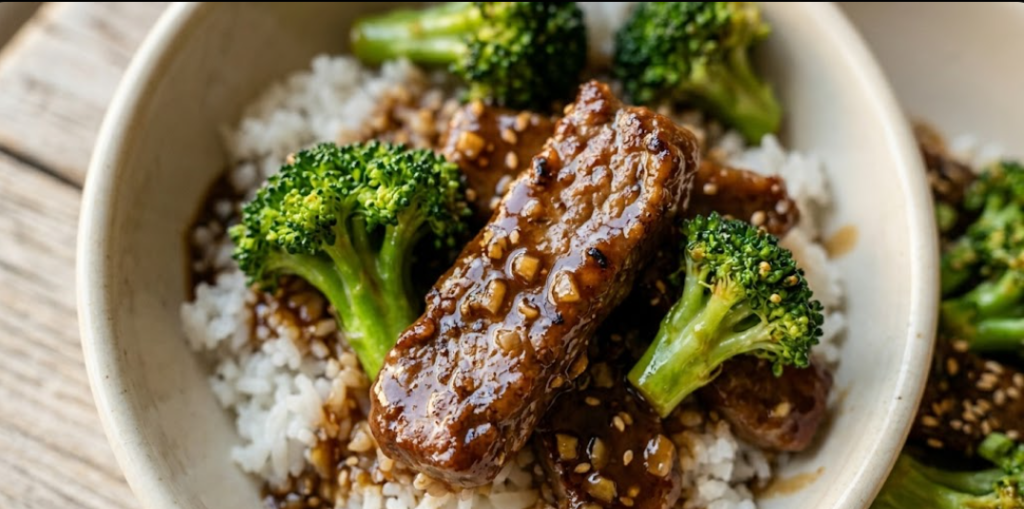
Step 1: Velvet the beef. Slice the flank steak against the grain into strips about ¼ inch thick. In a bowl, toss the beef with baking soda, cornstarch, soy sauce, and sesame oil until every piece is coated. Let it rest for 15 minutes at room temperature. Rinse under cold water, then pat completely dry with paper towels.
Step 2: Blanch the broccoli. Bring a pot of water to a boil. Add the broccoli florets and blanch for 30–60 seconds until bright green. Drain and rinse under cold water immediately. Pat dry and set aside.
Step 3: Mix the sauce. Whisk together oyster sauce, soy sauce, beef broth, brown sugar, garlic, and ginger in a bowl. Add the dissolved cornstarch mixture and the Shaoxing wine if using. Stir well. Set it beside the stove before you start cooking.
Step 4: Sear the beef. Heat 1 tbsp neutral oil in a wok or large skillet over high heat until the oil shimmers. Add the beef in a single layer, cooking in batches if needed. Leave it undisturbed for 30 seconds, then flip and cook another 60–90 seconds until just cooked through. Remove the beef from the pan and set aside.
Step 5: Cook the broccoli. In the same pan over medium-high heat, add the remaining 1 tbsp oil. Add the broccoli florets and stir-fry for 60–90 seconds until lightly charred at the edges and heated through. Remove and set aside with the beef.
Step 6: Build the sauce. Reduce heat to medium. Add a small drizzle of oil if the pan looks dry. Add garlic and ginger and stir for 15 seconds until fragrant. Pour in the premixed sauce in one pour. Stir continuously as it comes to a simmer and thickens, about 60–90 seconds.
Step 7: Combine and finish. Add the beef back to the pan and toss to coat in the sauce. Add the broccoli and toss once more until everything is evenly coated and heated through, about 60 seconds. Remove from heat. Drizzle sesame oil over the top and stir once. Serve immediately over jasmine rice with sesame seeds if you'd like.
Storage, Meal Prep, and Leftover Notes
Fridge: Store cooled leftovers in an airtight container for up to 4 days. The broccoli will soften slightly by day two. That's normal.
Freezer: The beef and sauce freeze well for up to 2 months. Store the broccoli separately and add fresh broccoli when you reheat. Frozen broccoli breaks down and turns mushy once thawed in the sauce.
Reheating: Add a splash of beef broth or water to the pan and reheat over medium heat, stirring. The sauce tightens up in the fridge and the extra liquid brings it back.
Meal prep timing: The velveting marinade, sauce, and chopped broccoli can all be prepped up to 24 hours ahead and stored separately in the fridge. When it's time to cook, you're 10 minutes from dinner.
Leftover move: The sauce works on noodles the next day. Toss leftover beef and broccoli with cooked noodles and a splash of broth in a hot pan for 2 minutes. It's a better lunch than it was a dinner.
Make It a Full Takeout-at-Home Dinner
Beef and broccoli over rice is the whole meal. If you're making this on a regular rotation, two products make it significantly easier to pull off on a weeknight.
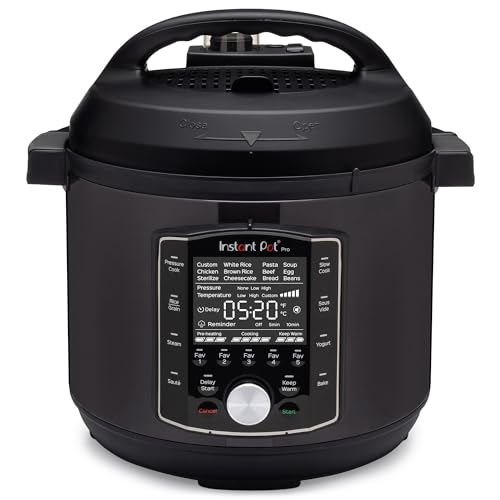
- 10 Cooking Functions: Pressure cook, slow cook, sous vide, sauté, sterilize, cook yogurt and rice, bake...
- Customizable Smart Programs: Tackle every recipe with 28 one-touch options covering all essential meals
Last update on 2026-10-09 / Affiliate links / Images from Amazon Product Advertising API
(As an Amazon Associate, we earn from qualifying purchases.)
Rice Cooker: A rice cooker runs in the background while you prep and cook. No timing, no watching the pot, no gummy or undercooked rice. It's the one appliance that earns its counter space on stir-fry nights.
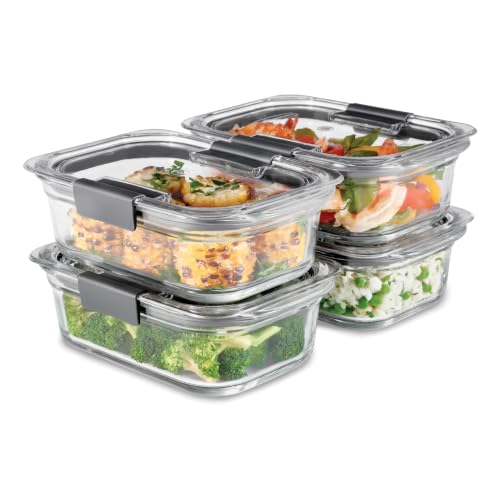
- LEAK-PROOF AND AIRTIGHT: Rubbermaid Brilliance Glass Food Storage Containers have crystal-clear lids that...
- EASY STORAGE AND REHEATING: Glass containers have vented, microwave-safe lids for easy...
Last update on 2026-10-08 / Affiliate links / Images from Amazon Product Advertising API
(As an Amazon Associate, we earn from qualifying purchases.)
Glass Meal-Prep Containers / Airtight Containers: This recipe doubles well. If you're already cooking, cook two batches and pack the second one for lunches. Airtight glass containers keep the sauce from soaking the broccoli overnight better than plastic does.
Your Homemade Beef and Broccoli 5-Ingredient Swap List
Everything in this recipe fits on one page. The free printable includes the full ingredient list with substitution notes, the velveting ratio, the sauce troubleshooting guide, and the step-by-step cook sequence.
Save it to your phone or print it and keep it in the kitchen for the next time you make it.
[Download the Free Recipe Card →]
Conclusion
This homemade beef and broccoli recipe is one of those dishes that earns its place in the regular weeknight rotation because it actually delivers on what it promises. The beef is tender. The broccoli holds its bite. The sauce clings instead of pooling. And once you've made it once, the muscle memory kicks in fast.
Velveting feels like a step too far the first time you read it. Fifteen minutes in, after you've rinsed the beef and felt the difference in the texture before it even hits the pan, it makes complete sense. That's how most of the technique in this recipe works. You do it once, you understand why it works, and you stop second-guessing it.
Four servings for $8. Twenty minutes of active cooking. A dish the whole table finishes.
FAQs
Q: What cut of beef is best for beef and broccoli?
Flank steak is the most reliable choice for this beef and broccoli recipe. It's lean, slices thin, and stays tender when cooked fast over high heat. Sirloin and skirt steak both work well as substitutes. Avoid thicker cuts like chuck unless you're slicing it very thin and velveting it thoroughly.
Q: Can I make beef and broccoli without oyster sauce?
Yes. Substitute 2 tablespoons of hoisin sauce plus 1 tablespoon of soy sauce for the 3 tablespoons of oyster sauce. The flavor won't be identical since hoisin is slightly sweeter, but the sauce will still have body and depth. Fish sauce in small amounts (½ tsp) can also add back some of the brininess oyster sauce contributes.
Q: Why is my beef still chewy after cooking?
Two causes cover most cases. The first is slicing with the grain instead of against it. Check the direction of the muscle fibers and cut across them. The second is skipping the velveting step or rinsing the baking soda off before the full 15 minutes is up. Overcooking also toughens the beef. It should come out of the pan while it still looks slightly underdone, since it finishes in the sauce.
Q: How do I keep broccoli from getting soggy in stir fry?
Blanch it for 30–60 seconds maximum, rinse it under cold water immediately after, and add it back to the pan only at the very end of cooking. The cold rinse stops the carry-over heat from continuing to cook the broccoli while it sits. If it's still going soft, try cutting the florets larger since bigger pieces hold their texture longer.
Q: Can I make this ahead for meal prep?
The velveting marinade, sauce, and broccoli can all be prepped a full day ahead and stored separately in the fridge. The cooking itself takes about 10 minutes once everything's prepped. If you're batch cooking, double the recipe. The leftovers hold well and the sauce works on noodles or rice bowls the next day.
Q: Does velveting work with chicken instead of beef?
It does, with a slight adjustment. Use ½ tsp baking soda per 1 lb of chicken, less than beef, and reduce the soak time to 10 minutes. Too much baking soda on chicken produces an off texture faster than it does on beef. The technique works the same way: rinse, pat dry, cook in a hot pan.
Q: Does velveting work with chicken instead of beef?
It does, with a slight adjustment. Use ½ tsp baking soda per 1 lb of chicken, less than beef, and reduce the soak time to 10 minutes. Too much baking soda on chicken produces an off texture faster than it does on beef. The technique works the same way: rinse, pat dry, cook in a hot pan.
Q: Is beef and broccoli actually Chinese, or is it an American invention?
It's a Chinese-American dish, developed by Chinese immigrants adapting Cantonese cooking to American ingredient availability. Broccoli isn't native to Chinese cuisine. A similar dish called Gai Lan Beef uses Chinese broccoli. The version most people know today was popularized by Chinese-American restaurants throughout the 20th century and bears more resemblance to Chinese-American cooking than to anything you'd find in mainland China.
The Beef and Broccoli Argument
Why did you vote that way? Drop your take in the comments.