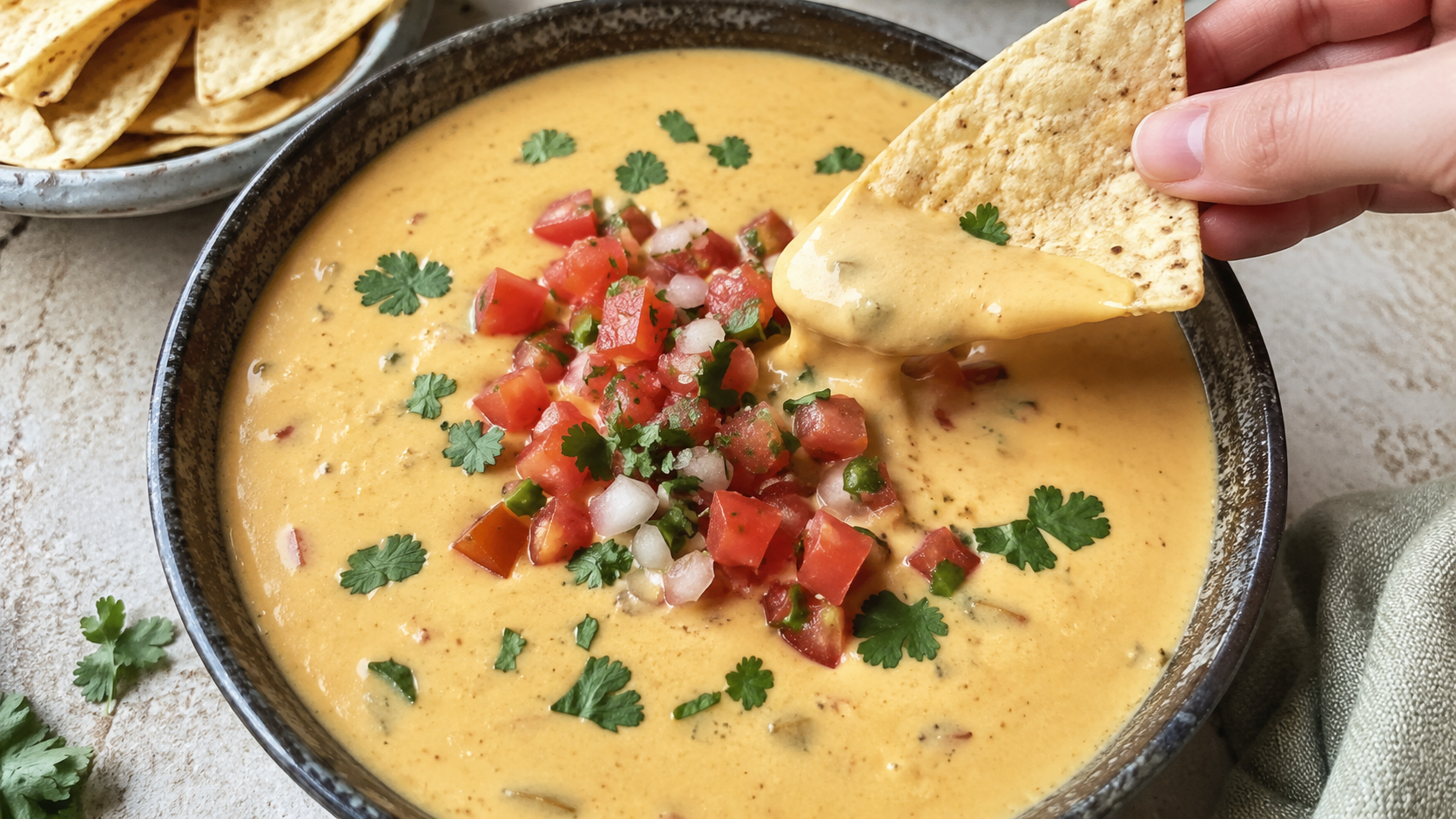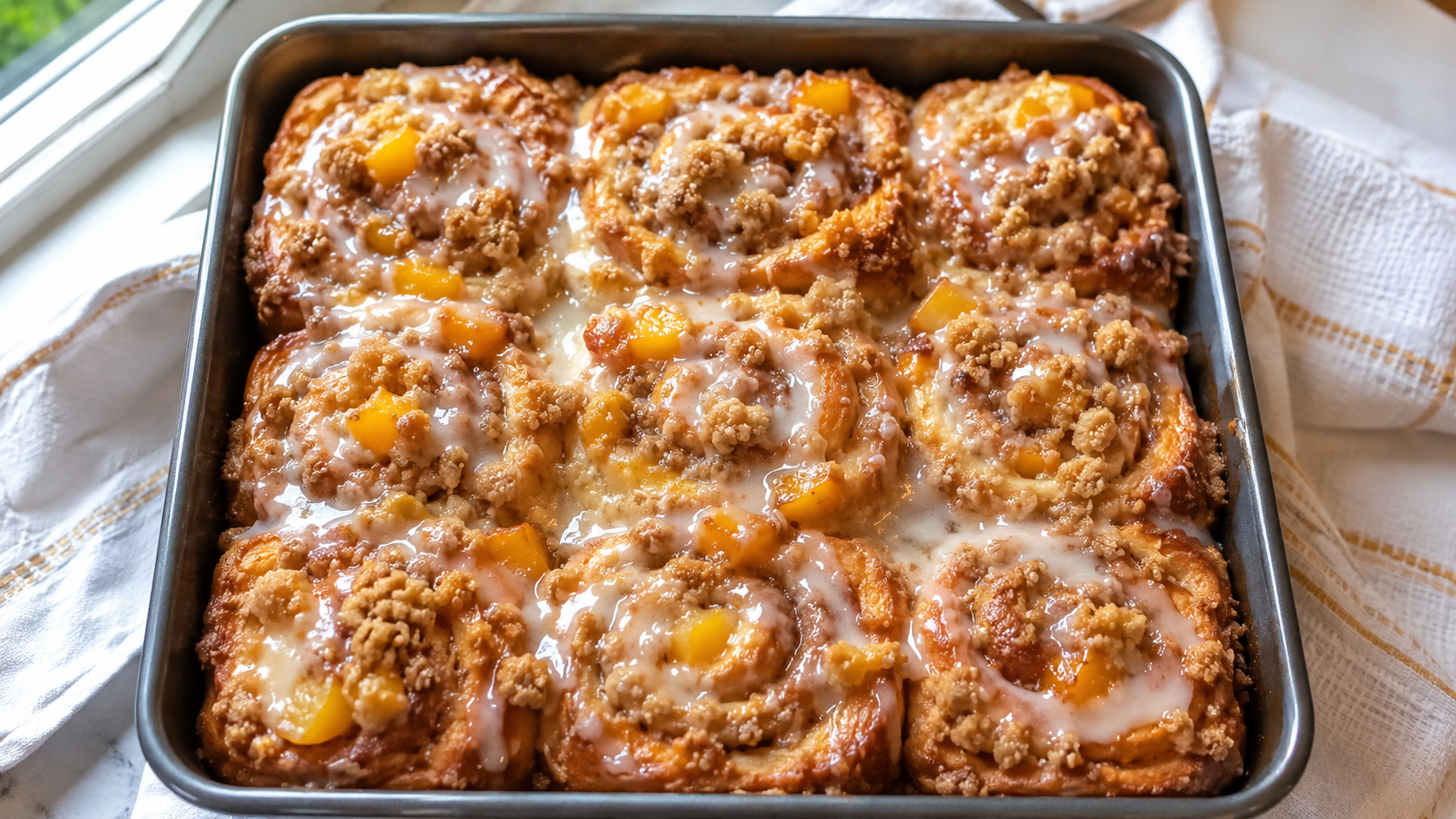



Quick Summary: Cast Iron Pizza
- Cast iron pizza without oven is a stovetop method where a preheated, oiled skillet crisps the bottom crust in 3–4 minutes per side, while a lid traps steam to melt the cheese without any oven heat.
- The method works because cast iron holds and delivers direct heat evenly across the dough surface, triggering the same caramelization that makes oven-baked crust crispy. No pizza stone or special equipment required.
- Room-temperature dough is non-negotiable: cold dough snaps back during stretching and takes nearly twice as long to cook through.
- Store-bought pizza dough works well; naan, pita, and flour tortillas are reliable substitutes that cut active prep to under 5 minutes total.
- The full cook for this stovetop pizza recipe from dough in pan to pizza on cutting board takes approximately 10 minutes once the pan is hot and toppings are staged.

“By the time dinner rolls around, we are out of energy.” — Medium
That's the honest version of pizza night for most families. The idea is good but the follow-through is where it falls apart,. because turning on the oven means 30–45 minutes of preheating, a kitchen that turns into a sauna, and a cleanup situation you're still managing at 9 p.m.
The cast iron skillet method fixes all of that. This cast iron pizza gets you a genuinely crispy, golden bottom crust and fully melted cheese in about 10 minutes of active cooking time, using one pan and a lid. No oven. No pizza stone. No special equipment beyond the skillet you probably already own.
“Usually I am not feeling like it when the dinner hour is knocking at my door. Just being honest.” — Averie Cooks
This method works because of how cast iron holds and delivers heat, not because of any particular trick or gimmick. Understanding that changes how you cook it.
Grab your Cast Iron Skillet because we're about to cook something awesome! And if you haven't got one, you're not late yet. Here's what I use for this pizza:
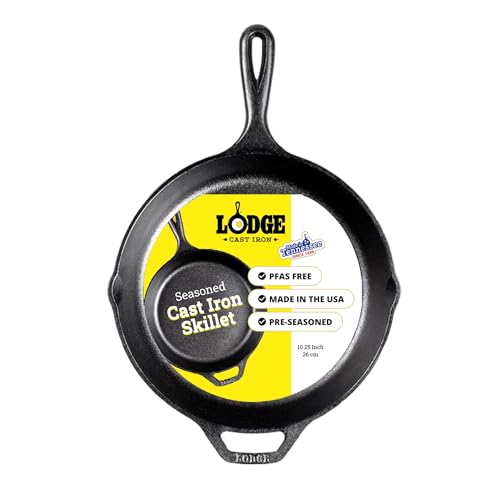
- Quality Cast Iron Frying Pan: The Lodge Seasoned Cast Iron Skillet is loved for its great heat retention...
- Naturally Seasoned for Non-Stick Finish: Each pre-seasoned skillet arrives ready to use with a smooth...
Last update on 2026-10-08 / Affiliate links / Images from Amazon Product Advertising API
(As an Amazon Associate, we earn from qualifying purchases.)
Why the Cast Iron Pizza Works
The crispy crust most homemade pizza misses isn't about high oven temperature. It's about direct, sustained contact between the dough and a hot, oiled surface.
When you set pizza dough in a preheated, lightly oiled cast iron skillet, two things happen at once. The bottom of the dough makes direct contact with the hot iron and starts to caramelize — that's the same heat chemistry that makes a seared steak golden and a grilled cheese sandwich worth making twice. At the same time, the dough cooks through from the heat radiating up through the cast iron. The result is a cast iron skillet pizza with a bottom crust that is genuinely crispy, not just lightly browned.
The lid does the rest. Covering the pan traps steam from the toppings, which melts the cheese and warms everything through without any oven heat required.
Two things will cause this to fail: dough that is too cold (it won't stretch and won't cook through evenly) and a pan that isn't properly heated before the dough goes in (the bottom will be pale and soft instead of crispy). Both are easy to fix, and we'll walk through both below.
“Besides eliminating the need for a hot oven, stovetop pizzas are super fast and perfect for making just one or two personal pizzas.” — The Kitchn

What You Need for This Cast Iron Pizza
Makes one 10-inch personal pizza. Cook separately per person.
Ingredients
- 1 ball store-bought pizza dough (8–10 oz), at room temperature (Substitution: naan bread or a large flour tortilla works here; reduce cook time on each side by half)
- 1 tbsp olive oil (Substitution: any neutral oil — avocado oil, vegetable oil)
- 3–4 tbsp pizza sauce (Substitution: a spoonful of canned crushed tomatoes with a pinch of salt; pesto; or white garlic sauce)
- 3–4 oz shredded low-moisture mozzarella (Substitution: provolone, Monterey Jack, a shredded Italian blend, or dairy-free mozzarella)
- Toppings of choice (see variations below)
- Pinch of flaky salt
- Optional finish: dried oregano, red pepper flakes, fresh basil, drizzle of olive oil
For this recipe, it's highly recommended to use a great quality store-bought pizza dough. Here's what I used for this pizza:
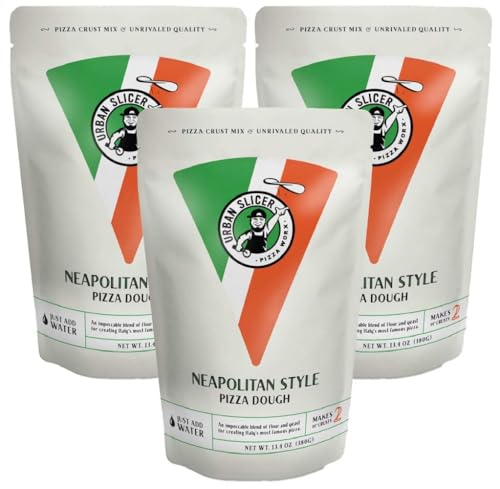
- UNRIVALED FLAVOR: Urban Slicer's Neapolitan Pizza Dough features a finely tuned blend of flours and yeast...
- QUALITY WITH EASE: Our Neapolitan Pizza Dough Mix lets you create great wood-fired pizza at...
Last update on 2026-10-08 / Affiliate links / Images from Amazon Product Advertising API
(As an Amazon Associate, we earn from qualifying purchases.)
Equipment
- 10 or 12-inch cast iron skillet: not enameled on the inside (enamel reduces direct heat transfer and will cost you the crispy bottom)
- A lid, large baking sheet, or sheet of heavy-duty foil to cover the pan
- Heat-resistant spatula
The Skillet Method

Step 1: Rest the Dough
Pull your dough from the fridge 30–45 minutes before you plan to cook. Cold dough fights you at every step. It tears, it snaps back when you try to stretch it, and it takes twice as long to cook through. Room temperature dough stretches without resistance and cooks evenly from edge to center.
If you've never made this stovetop pizza recipe before: this is the step most people skip. It's also the step that explains most of the problems they run into.

Step 2: Heat the Skillet
Set the skillet over medium heat for 2–3 minutes. The pan needs to be genuinely hot before the oil or the dough goes in, this is what creates the crispy bottom. Add the olive oil and tilt the pan to coat the entire surface.
To check if the pan is ready: hold your hand 3–4 inches above the surface. If you can feel clear radiant heat rising from the iron, it's ready.
And if ever you're running out of olive oil, here's what I used for this recipe:
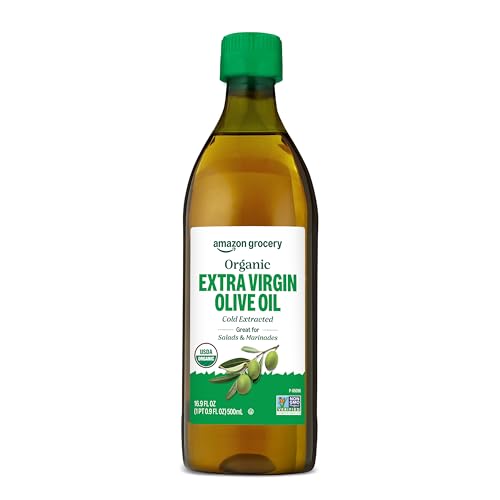
- One 16.9 fluid ounce bottle of Organic Extra Virgin Olive Oil, Cold Extracted
- Some of your favorite Amazon Fresh products are now part of the Amazon Grocery brand! Although packaging...
Last update on 2026-10-08 / Affiliate links / Images from Amazon Product Advertising API
(As an Amazon Associate, we earn from qualifying purchases.)

Step 3: Stretch and Set the Dough
On a lightly floured surface, press the dough from the center outward with your palms until you have a roughly 10-inch round — just slightly smaller than your pan. Don't force it thin in one push. If it pulls back, let it rest for 60 seconds and try again. Gluten tension releases when the dough rests; you can't speed it up by pressing harder.
Carefully lay the stretched dough in the oiled skillet. It will start cooking the moment it makes contact.

Step 4: Cook the First Side
Leave the dough undisturbed for 3–4 minutes. Do not press it down. Do not lift it early. Around the 2-minute mark, bubbles will start forming across the surface. This means the underside is developing properly. At 3 minutes, slide a spatula under one edge and check the color. You want golden brown with light darker spots, not pale, not deeply dark. If it's still pale, give it another 30–60 seconds before flipping.
“The tricky part when cooking pizza on the stovetop is making sure the crust gets baked but doesn't start to burn.” — The Kitchn

Step 5: Flip and Top
Flip the dough. Immediately reduce the heat to medium-low. Working quickly within about 30 seconds, add your sauce in a thin, even layer, then your cheese, then any toppings. Don't overload: too many toppings slow the melt and can trap steam where you don't want it. A thin, even layer is the right amount.
“The beauty of a cast iron skillet pizza is that you can take the toppings all the way to the edges.” — Modern Crumb
Important: if you're using any raw vegetables or uncooked protein, cook them separately before adding. The covered skillet doesn't generate enough heat to cook raw toppings from scratch.
For the pizza sauce, I recommend you try this sauce that I used for this recipe:

- WELCOME TO THE BEST TASTING PREMIUM CLASSIC PIZZA SAUCE ON THE PLANET! Yo Mama’s Classic Pizza Sauce is...
- INDULGE YOURSELF GUILT-FREE. Our fresh sauce is Preservative-Free, Paleo-Friendly, Low-Glycemic, and has...
Last update on 2026-10-08 / Affiliate links / Images from Amazon Product Advertising API
(As an Amazon Associate, we earn from qualifying purchases.)

Step 6: Cover and Melt
Place the lid, baking sheet, or foil over the skillet. Cook for 4–5 minutes without lifting the cover. The trapped steam melts the cheese evenly from above while the cast iron continues crisping the crust below. These two things are happening simultaneously, which is why the method works without a broiler.
At 4 minutes, lift the cover and check. The cheese should be fully melted and bubbling, with no unmelted patches. If there are unmelted patches, cover and cook for another 60–90 seconds.

Step 7: Slide, Finish, and Serve
Use a spatula to slide the finished cast iron pizza from the skillet directly onto a cutting board. The crust is fragile for the first 60 seconds, so wait before cutting. Then add any finishing touches: torn fresh basil, a drizzle of olive oil, flaky salt, chili crisp, or a drizzle of hot honey. Slice and serve cast iron pizza immediately.
This pizza does not hold well. It's best eaten within a few minutes of coming off the heat.
Four Topping Combinations Worth Adding to Rotation
These are four variations on the same easy homemade pizza stovetop method. The cook stays identical for all of them. The only variable is what goes on top in Step 5.
Classic Margherita: A spoonful of canned crushed tomatoes (just tomatoes + a pinch of salt, no jarred pizza sauce needed here), fresh mozzarella torn into rough pieces rather than shredded, and a few leaves of fresh basil added after the pizza comes off the heat. The simpler the topping, the more the crust flavor carries the whole pizza.
Pepperoni + Hot Honey: Standard pepperoni slices, low-moisture mozzarella, and a drizzle of hot honey added after the pizza slides onto the cutting board. The hot honey is the single pantry addition that takes this from familiar to something people ask about — and a small jar runs about $6 and lasts for months of pizza nights.
White Pizza: After flipping in Step 5, brush the dough with olive oil instead of tomato sauce. Add small spoonfuls of ricotta dotted across the surface, a thin layer of shredded mozzarella, a pinch of garlic powder, and a crack of black pepper before covering. This is the most forgiving variation because there's no tomato liquid to manage under the lid.
Spicy Veggie: Mozzarella, thinly sliced jarred roasted red peppers (pre-cooked, no prep required), a handful of olives, and a drizzle of chili crisp added at the finish. Pre-cooked vegetables are the key here — they heat through under the lid in the same time the cheese melts.
Grab the Free Printable Grocery List
Everything above is already on the printable: base ingredients, all four topping combos, the equipment checklist, and quick substitutions for the nights when the usual stuff isn't in the cabinet. No more screenshots or scrolling through the article at the store.
Print it once and keep it on the fridge. That's the whole point.
Download the Cast Iron Pizza Grocery List (Free Printable) →
Final Thoughts on Cast Iron Pizza
One of the quiet advantages of cast iron pizza without oven is how easy it is to run a second round. Cook a second ball of dough plain, no sauce, no toppings, using the same method. You get a flatbread that stores for the next day: use it as a wrap base, slice it for a quesadilla, or press an egg and some cheese onto it in the morning for a 3-minute breakfast. Same 3-minute-per-side cook, zero additional planning.
The primary cook feeds tonight. The secondary cook feeds tomorrow. That's the architecture.
FAQs
Why does my crust come out doughy in the middle even though the bottom looks done?
This is the most common question for anyone figuring out how to make cast iron pizza without an oven for the first time. The dough is either too thick or too cold going into the pan. Stretch it thinner, a 10-inch round for a 12-inch pan is thinner than most people's instinct. Also confirm the dough has fully reached room temperature before it goes in; cold dough takes nearly twice as long to cook through, which means the outside overcooks before the center is done.
Can I use naan, pita, or a flour tortilla instead of pizza dough?
Yes, and this is worth knowing for nights when there's no dough on hand. For naan or pita, reduce the first-side cook to 1–2 minutes since the bread is already cooked — you're only crisping the bottom, not cooking raw dough. For a flour tortilla, 60–90 seconds per side is enough; watch the edges closely because they burn quickly.
My skillet doesn't have a lid. What can I use instead?
Any flat, heat-safe cover works: a large baking sheet, a sheet of heavy-duty foil crimped around the rim, or an upside-down sheet pan of similar diameter. The goal is trapping steam to melt the cheese. Material doesn't matter as long as it stays in place and covers the pan for the full 4–5 minutes.
Can I prep any of this ahead of time?
The cooked pizza doesn't reheat well, the bottom softens. What you can prep ahead: stretch the dough rounds, place on a floured plate, cover, and refrigerate for up to 24 hours. Pre-measure your sauce into a small bowl and shred your cheese. With that prep done, this stovetop pizza recipe goes from cold-to-table in about 12 minutes.
The dough keeps snapping back when I try to stretch it. What's happening?
The dough is too cold or needs more time to relax. Let it rest another 10–15 minutes and try again. If it still snaps back, press it gently to 8 inches, walk away for 2 minutes, then press it the rest of the way to 10 inches. Gluten tension releases when the dough rests, pressing harder doesn't speed up the process, it just tears the dough.
Can I make this with gluten-free dough?
Yes, with one adjustment: gluten-free doughs are more fragile and don't flip cleanly. Instead of flipping in Step 5, cook the first side for 4–5 minutes until the bottom is deeply golden, then add toppings directly to the unflipped side. Cover, reduce to low heat, and cook for 6–8 minutes. The crust texture won't be identical, but it will be crispy underneath and fully cooked through.
The bottom is burning before my cheese fully melts. What do I fix?
Two likely causes: the heat is too high after flipping, or the topping layer is too thick. Reduce to the lowest medium-low your burner offers after Step 5, and make sure the lid is actually sealing in steam. A thinner, more even topping layer melts faster and reduces the time the crust is sitting over direct heat.
Quick Poll
Why did you vote that way? Drop your take in the comments!