
Quick Summary: Best Heavy Duty Stand Mixer For Bread Dough
If you want the short version, here it is:
- Bread dough needs torque, not speed.
- Low-hydration dough (55–60%) is the hardest on mixers.
- Batch size matters more than bowl size.
- Stalling, overheating, or burning smells mean the mixer is overloaded.
- Most standard mixers are best for single loaves only.
- A heavy-duty bread mixer is needed for 1.5–2 kg doughs or frequent baking.
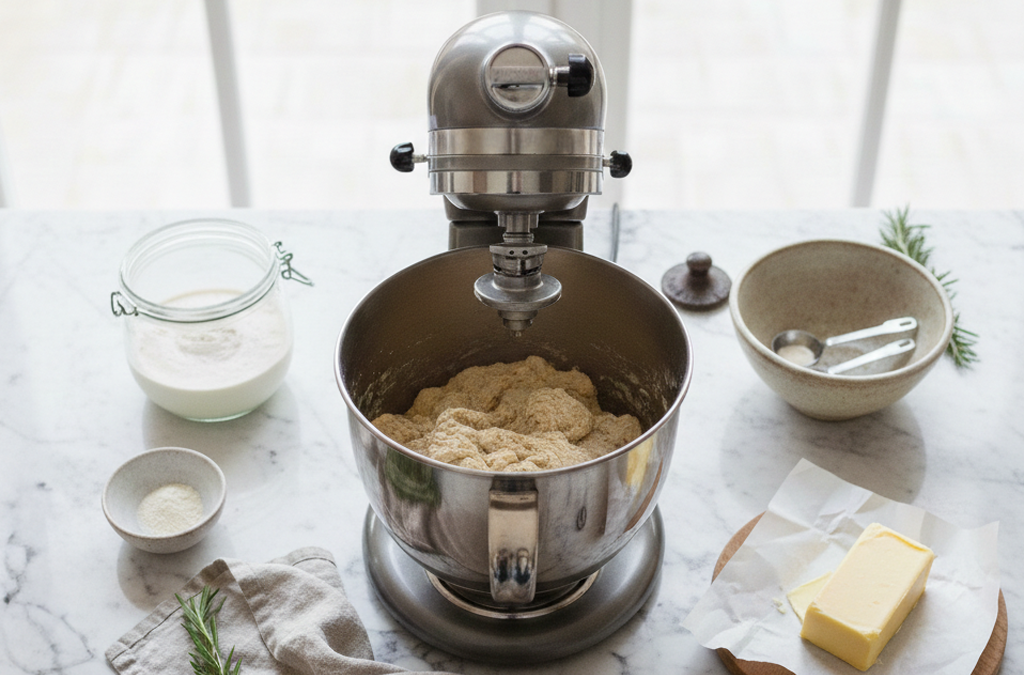
- The best heavy duty stand mixer for bread dough kneads calmly and consistently without slowing down.
Why Bread Dough Breaks So Many Mixers
Many home bakers assume that if a stand mixer can cream butter or whip cream, it should also knead bread. That assumption leads to stalled motors, overheated machines, and frustrating results.
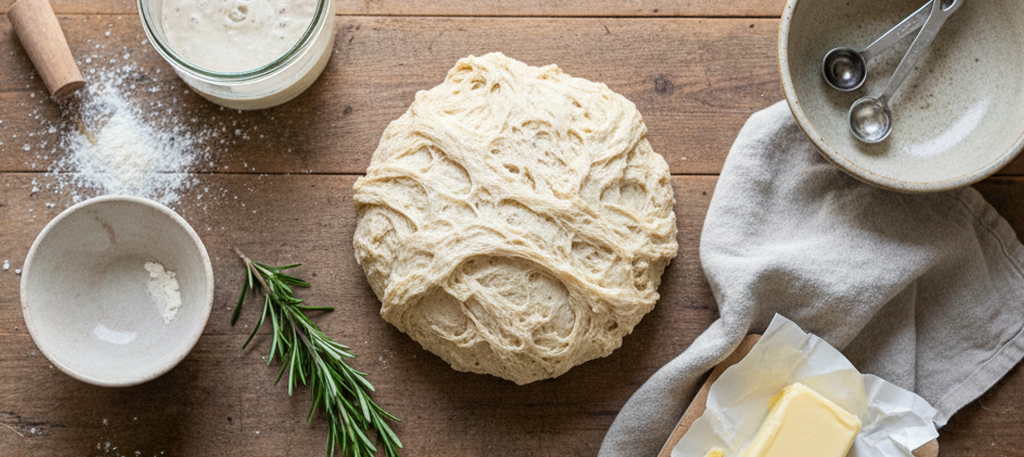
Bread dough behaves very differently from batters and soft doughs. As gluten develops, the dough tightens and resists movement. That resistance puts steady strain on the motor, gears, and bowl system. When a mixer isn’t built for that kind of work, problems show up fast.
Common warning signs include:
- The mixer slowing or stopping mid-knead
- The motor housing getting hot
- A sharp electrical or burning smell
- The bowl twisting or the mixer creeping across the counter
These issues are rarely caused by bad recipes or technique. In most cases, they mean the mixer isn’t the right stand mixer for bread dough at the hydration or batch size you’re using.
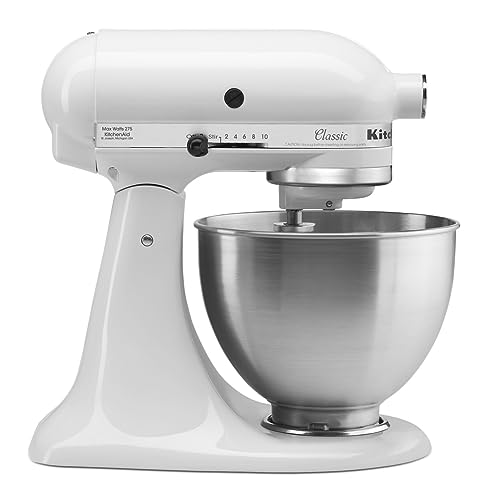
- Built to take it all on with the durable and built-to-last metal construction, and 59 touchpoints around...
- 4.5 Quart Stainless Steel Bowl to mix up to 8 dozen cookies in a single batch. Dishwasher safe. Using the...
Last update on 2026-10-13 / Affiliate links / Images from Amazon Product Advertising API
(As an Amazon Associate, we earn from qualifying purchases.)
Why Bread Dough Is So Demanding
Torque vs Speed (Plain-English Explanation)
Speed is how fast the mixer spins. While torque is how much force it can apply when the dough pushes back.
Bread dough pushes back a lot.
A mixer can spin quickly with no resistance, but once dense dough tightens around the hook, weak motors slow down or stall. That’s why wattage numbers and speed settings don’t tell the full story.
A good mixer for dense dough delivers steady turning power at low speed, even when the dough becomes firm and elastic.
How Hydration Changes the Load
Hydration level plays a major role in how hard your mixer has to work.
- Low hydration (55–60%)
Stiff and compact. This creates the most resistance and requires the most torque. - Medium hydration (61–68%)
Elastic but still demanding, with steady load over time. - High hydration (69%+)
Looser and stickier, often requiring longer knead times and creating heat buildup.
Low-hydration dough is the toughest on mixers because it resists movement from the very beginning.
Why Knead Time Matters
Bread dough isn’t mixed in quick bursts. Many recipes require 8–12 minutes of steady kneading.
This continuous load is what causes:
- Motors to overheat
- Gears to wear prematurely
- Safety shutoffs to trigger
Mixers designed mainly for cakes and cookies are often not built for this kind of sustained work.
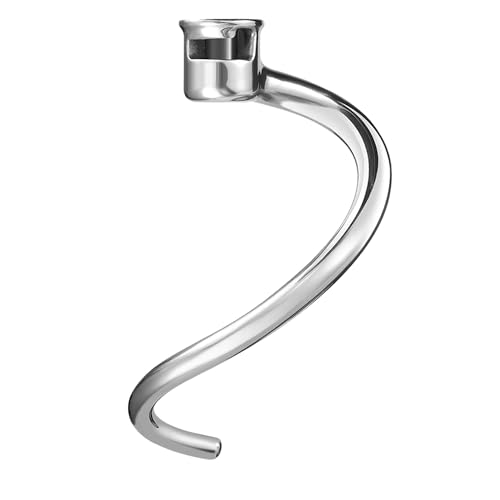
- Fit great with Kitchenaid 7QT stand mixers. FitsKSM70SKXXCA, KSM70SKXXVB, KSM70SKXXBK, KSM70SKXXCU...
- Our comprehensive 3-piece set Attachment is specially designed for 7 quart tilt-head Kitchen Aid mixers...
Last update on 2026-10-13 / Affiliate links / Images from Amazon Product Advertising API
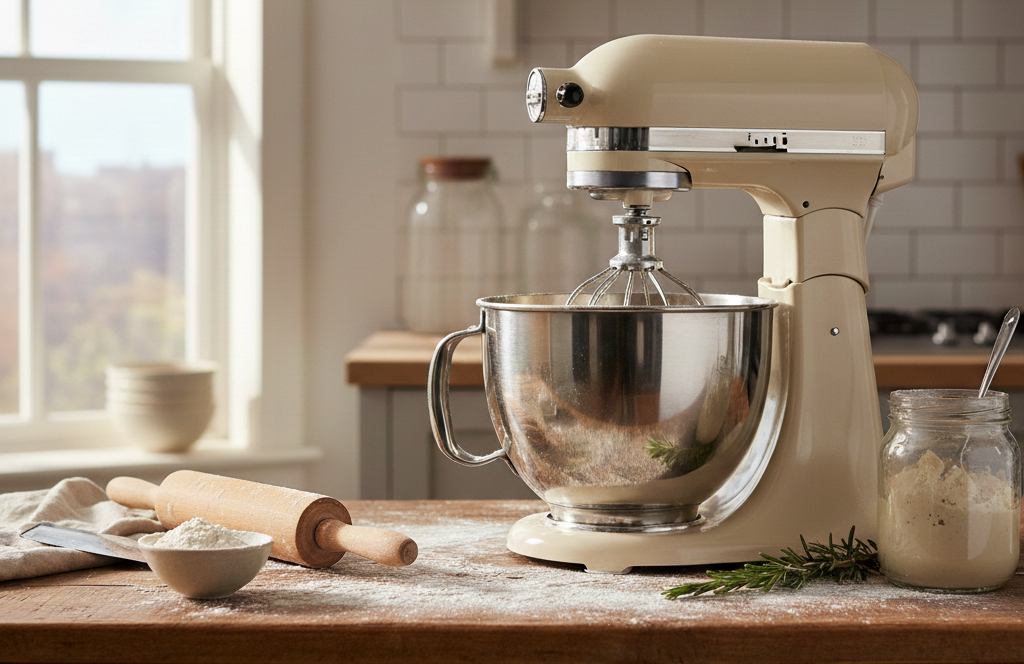
How to Choose the Best Heavy Duty Stand Mixer For Bread Dough
Batch Size Matters More Than Bowl Size
Bowl size tells you how much fits, not how much can be kneaded well.
A large bowl paired with a weak motor will still struggle with stiff dough. Instead of focusing on quarts, think in terms of actual dough weight.
Typical benchmarks:
- Single loaf: ~1 kg dough
- Double loaf: 1.5–2 kg dough
- Frequent batches: repeated kneads without cooling breaks
The larger and more frequent your batches, the more power and cooling capacity you need.
Torque and Drive System
For bread, torque matters far more than top speed.
Mixers suited for bread dough usually have:
- Stronger internal gear systems
- Reliable low-speed power
- Less reliance on high RPMs
This allows them to knead without slowing or stalling as gluten develops.
Bowl Stability and Frame Strength
Dense dough pulls hard on the bowl and frame.
Signs of strain include:
- Bowl twisting during kneading
- The mixer creeping forward
- Rattling or clunking noises
A stable bowl lock and rigid frame are essential for bread work, especially with heavier doughs.
Attachments That Actually Work for Bread
Not all attachments are designed for kneading.
For bread dough:
- Dough hooks are essential
- Spiral-style hooks work well for wet and elastic doughs
- Flat paddles are not meant for bread kneading
Using the right attachment reduces strain on both the dough and the mixer.
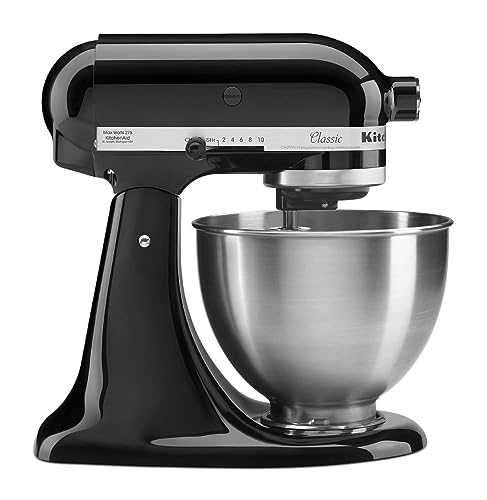
- Built to take it all on with the durable and built-to-last metal construction, and 59 touchpoints around...
- 4.5 Quart Stainless Steel Bowl to mix up to 8 dozen cookies in a single batch. Dishwasher safe. Using the...
Last update on 2026-10-13 / Affiliate links / Images from Amazon Product Advertising API
Performance Ladder: Matching Dough to Mixer Power
This performance ladder helps match your baking habits to the right class of mixer.
Artisan / Entry-Level Mixers
Best for:
- Single loaves (≈1 kg)
- Medium to high hydration dough
- Occasional bread baking
Limitations:
- Struggle with low hydration
- Overheat during long kneads
- Not ideal for large or stiff batches
These mixers can work well as a stand mixer for artisan bread when hydration is higher and batch size is modest.
Mid-Range Reinforced Mixers
Best for:
- 1–1.5 kg doughs
- Mixed hydration
- Weekly bread baking
Watch for:
- Speed drops during kneading
- Heat buildup on back-to-back batches
This category suits bakers who make bread regularly but don’t push very stiff or large batches.
True Heavy-Duty Bread Mixers
Best for:
- 1.5–2 kg doughs
- Low hydration dough
- Frequent or back-to-back baking
Built for:
- Strong torque
- Better cooling
- Long, steady kneads
A best heavy duty stand mixer for bread dough is a fit-for-purpose tool for bakers who regularly challenge their equipment.
Real-World Performance: What Actually Matters
Knead Time Consistency
A capable mixer should:
- Maintain speed throughout kneading
- Knead evenly from start to finish
- Avoid the need for rest breaks
If the mixer slows halfway through, gluten development often suffers.
Heat Buildup
Warm is normal. Hot is not.
Stop mixing if you notice:
- The motor housing becomes hot to the touch
- A sharp electrical or burning smell
- Automatic shutoff or hesitation
Heat is one of the fastest ways to shorten a mixer’s lifespan.
Clear Failure Warning Signs
Pay attention to:
- Sudden speed drops
- Loud gear noise
- Bowl movement or frame flex
Continuing to knead under these conditions can cause permanent damage.
Which Mixer Fits Your Bread-Baking Habits?
Occasional Bread Bakers
- 1 kg loaves
- Higher hydration dough
- Infrequent baking
A solid mid-range mixer is usually sufficient.
Weekly Bread Makers
- Mixed hydration dough
- 1–1.5 kg batches
- Regular use
Look for good torque, stable bowl locks, and solid construction.
Frequent or Dense-Dough Bakers
- Low hydration dough
- 1.5–2 kg batches
- Multiple bakes per week
A true mixer for dense dough is the right choice here.
Common Bread-Kneading Problems (And What They Mean)
- Mixer stalls or slows
→ Torque mismatch - Motor smells hot
→ Continuous load overload - Gummy or tight crumb
→ Under-kneading from power drop - Dough climbs the hook
→ Hydration or attachment mismatch
These are signs of mechanical limits, not baking mistakes.
Download the “Hydration → Power” Decision Cheat Sheet
Choosing the right mixer doesn’t need to be complicated.
The Hydration → Power Decision Cheat Sheet is a simple, one-page guide that:
- Matches dough hydration to mixer strength
- Accounts for batch size and baking frequency
- Helps you choose with clarity instead of guesswork
It’s designed to support confident decisions, not add stress.
Buy Once, Mix Confidently
The best heavy duty stand mixer for bread dough should feel calm and steady, even when the dough gets tough. Stalling, overheating, and uneven kneading aren’t normal. They’re signs of a mismatch.
Choose based on how you bake, not just specs or bowl size. When hydration, batch size, and mixer power are aligned, bread baking becomes simpler, safer, and more consistent.
That’s when you stop worrying about the machine and start enjoying the process.
Frequently Asked Questions
What makes a stand mixer heavy-duty for bread dough?
Strong torque, steady low-speed power, and the ability to knead without overheating.
Can a regular stand mixer handle bread dough?
Yes, for single loaves and higher hydration doughs. Dense or large batches are harder.
Why does my mixer stall even on low speed?
The dough is resisting more force than the mixer can deliver.
Is bowl size more important than motor power?
No. Torque and motor strength matter more than capacity.
What hydration level is hardest on a mixer?
Low hydration dough around 55–60%.
Can overheating affect bread quality?
Yes. Power loss often leads to under-kneading and poor crumb.
Should I finish kneading by hand if my mixer struggles?
Yes. It protects the mixer and improves consistency.