


High Protein Soup Bases at a Glance
- Make three high protein soup bases in one cooking session
- Store the bases plain for maximum flexibility
- Add different proteins to create six distinct meals
- Great for meal prep soup, freezer friendly soups, and busy weeks
When the weather turns cold, soup is often the easiest thing to reach for, but many soups are light on protein or require starting from scratch every time. High protein soup bases solve both problems by giving you structure without locking you into one finished recipe.
By keeping the bases simple and adding proteins later, you get cozy meals that reheat well, store easily, and stay interesting throughout the week.
No products found.
(As an Amazon Associate, we earn from qualifying purchases.)
Kitchen Tools That Make High Protein Soup Bases Easier
You do not need specialized equipment to make high protein soup bases, but a few tools make the process smoother and more consistent.
- Dutch oven or large pot: Ideal for stovetop cooking since it heats evenly and holds a full batch without crowding.
- Instant Pot (optional): Helpful for faster cook times and more hands-off cooking on busy days.
- Immersion blender: Allows you to partially or fully blend soups directly in the pot, which is safer and less messy than transferring hot liquid.
- Freezer-safe containers: Essential for portioning soup bases so they are easy to grab, thaw, and reheat later.
How to Turn High Protein Soup Bases Into 6 Complete Meals
The key to this system is treating the soup base as a foundation rather than the finished meal. Each high protein soup bases can be paired with different proteins to create variety without extra cooking.

Chicken Miso + Shredded Chicken & Edamame
This bowl is light but satisfying and works well for lunch or dinner.
Use about one and a half cups of chicken miso soup base, three quarters of a cup of shredded chicken, and half a cup of cooked edamame. Warm everything gently so the miso flavor stays balanced.
Finish with a small drizzle of sesame oil and a spoonful of chili crisp for heat. Sliced green onions or sesame seeds add texture and freshness.

Chicken Miso + Tofu Cubes & Egg Ribbons
This version leans more plant-forward while still delivering solid protein.
Start with one and a half cups of chicken miso base. Add three quarters of a cup of firm tofu cut into small cubes. Slowly pour in one beaten egg while stirring gently to create soft egg ribbons.
Finish with white pepper and toasted sesame seeds. A splash of rice vinegar can brighten the bowl if needed.

Tomato-Lentil + Turkey Meatballs
This is one of the heartiest options and works especially well for dinner.
Use one and a half cups of tomato-lentil base and add three to four small cooked turkey meatballs. Simmer just until everything is heated through.
Finish with fresh basil and a drizzle of olive oil. A pinch of red pepper flakes adds warmth without overpowering the tomato flavor.

Tomato-Lentil + White Beans & Parmesan
This bowl is comforting, filling, and easy to keep vegetarian.
Combine one and a half cups of tomato-lentil base with three quarters of a cup of white beans such as cannellini or great northern beans. Heat gently so the beans stay intact.
Finish with freshly grated Parmesan and cracked black pepper. A small splash of balsamic vinegar can add depth if the soup tastes flat.
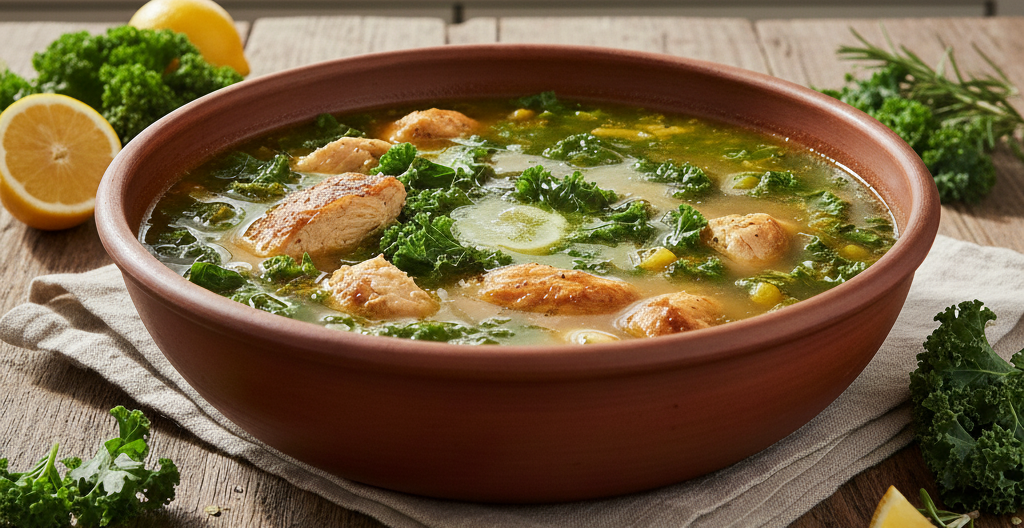
Hearty Veggie + Rotisserie Chicken & Kale
This option is creamy without dairy and very adaptable.
Use one and a half cups of hearty veggie base and add three quarters of a cup of shredded rotisserie chicken. Stir in a handful of chopped kale and simmer just until the greens soften.
Finish with lemon zest and a pinch of chili flakes. Black pepper works especially well with this base.
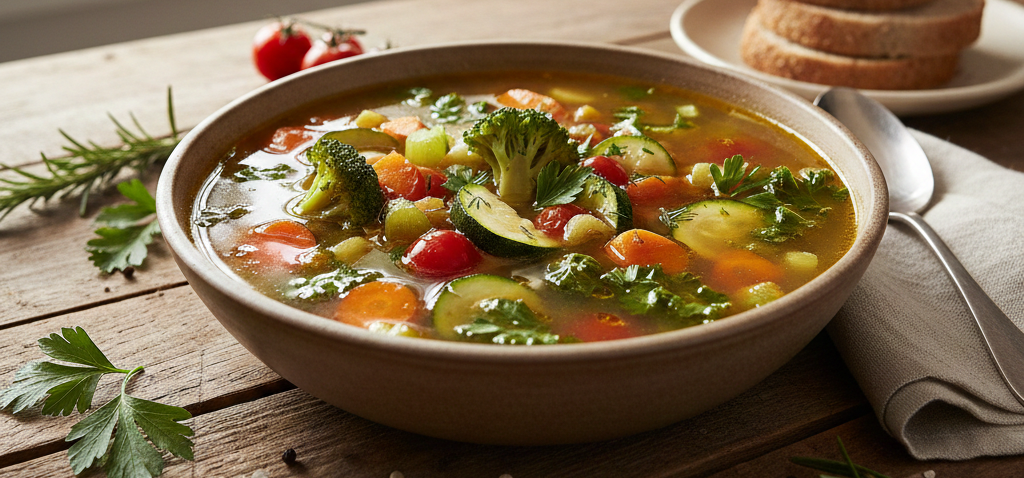
Hearty Veggie + Chickpeas & Quinoa
This bowl is fully plant-based and especially filling.
Combine one and a half cups of hearty veggie base with half a cup of cooked chickpeas and half a cup of cooked quinoa. Heat slowly, stirring often to prevent sticking.
Finish with smoked paprika and olive oil. Fresh herbs like parsley or cilantro can add brightness.
No products found.
Instant Pot Cooking Tips for High Protein Soup Bases
Using an Instant Pot can save time, but a few tips make the process smoother. Always add broth or thin liquids first to reduce the risk of burn warnings, especially with tomato-based soups.
All high protein soup bases can be doubled safely as long as you stay under the maximum fill line. For brothy bases like chicken miso, a natural pressure release helps maintain clarity and flavor. For vegetable-heavy or blended bases, a quick release works well.
Blending should always be done after pressure cooking. Never blend before cooking under pressure.
Storage & Freezer Tips
Proper storage is what makes high protein soup bases such a strong meal prep option. Let soup bases cool uncovered until most of the steam has escaped before sealing containers. This helps prevent condensation and ice crystals.
In the refrigerator, plain soup bases keep well for four to five days. In the freezer, they maintain good quality for up to three months.
Use wide-mouth, freezer-safe containers with a little headspace to allow for expansion. Label containers with the base name and date so nothing gets forgotten.
For the best texture, freeze soup bases without added proteins. Add chicken, tofu, beans, or grains during reheating rather than before freezing.
How to Adapt High Protein Soup Bases for Different Diets
High protein soup bases are easy to adapt for different eating styles.
- Vegetarian option: Use vegetable broth and rely on lentils, beans, tofu, edamame, or quinoa for protein.
- Dairy-free: All three soup bases can be made dairy-free as written, making them suitable for dairy-free and lactose-free diets.
- Higher-protein adjustment: Increase the portion of protein add-ins instead of thickening the base to keep the soup balanced and avoid an overly dense texture.
No products found.
Why High Protein Soup Bases Work
High protein soup bases make cozy, satisfying meals more realistic during busy weeks. By cooking a few flexible bases ahead of time, you create options rather than leftovers, which makes meal prep feel less repetitive.
With a small amount of planning, you can enjoy warm, protein-forward soups that reheat well, freeze beautifully, and adapt easily to what you feel like eating that day.
FAQs
- Why should miso be added off heat?
Miso loses flavor when boiled. Adding it after cooking helps preserve its savory taste and aroma. - How do I control salt when batch cooking high protein soup bases?
Season lightly while cooking the base, then adjust salt after adding proteins and toppings. - Do blended soups freeze well?
Yes. Fully or partially blended high protein soup bases freeze and reheat smoothly when cooled and stored properly. - How long do high protein soup bases last?
They last about four to five days in the refrigerator and up to three months in the freezer when stored plain.