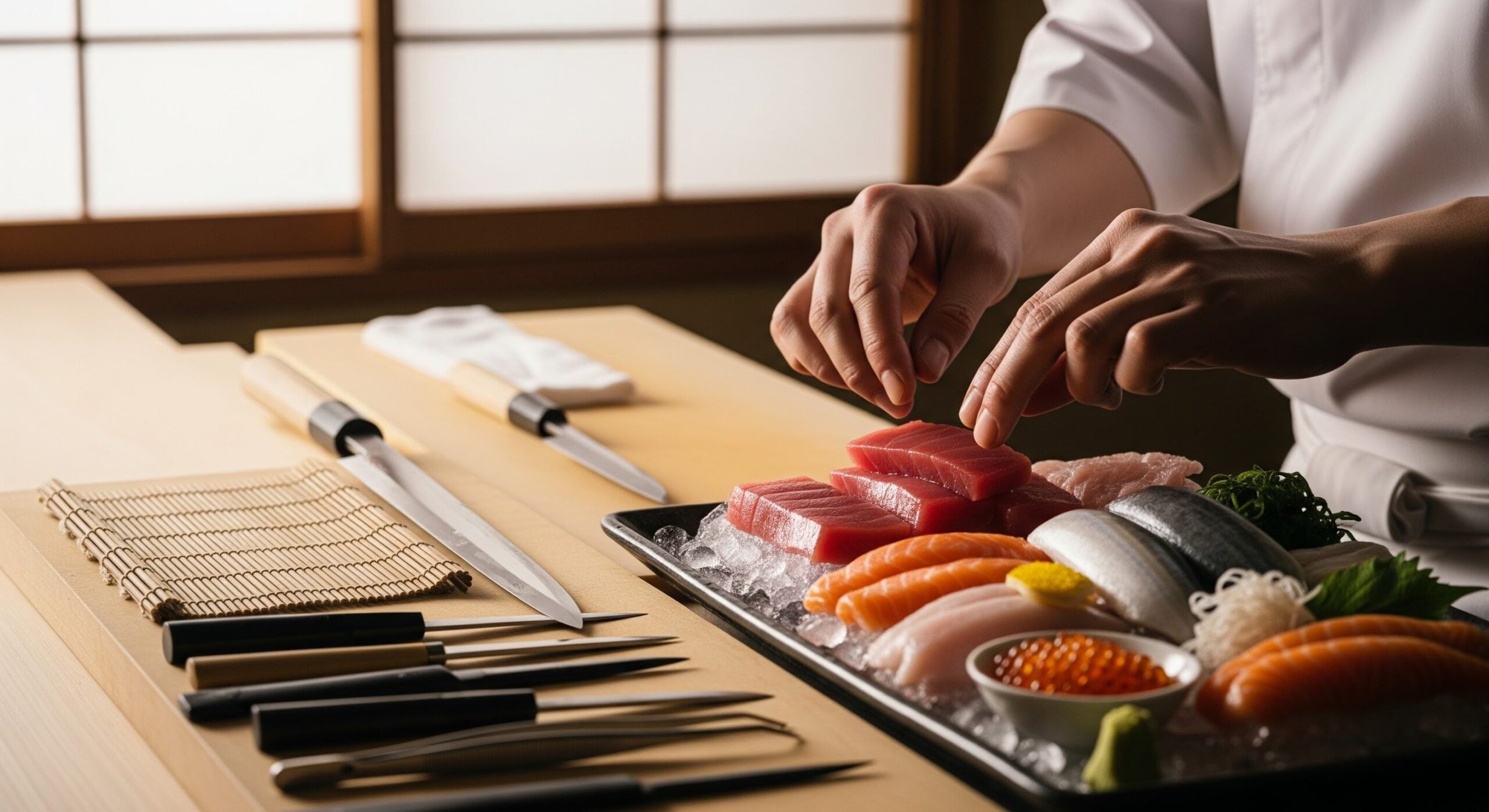


Sushi, sashimi, and ramen. These are popular dishes from Japan; so popular that they've made waves all over the world. However, a new Japanese favorite has been trending recently: omakase. But what is omakase?
Omakase (お任せ) literally means “I leave it up to you,” and in restaurants it refers to a series of small courses chosen by the chef for the guest. Traditionally, the meal moves from lighter to richer bites so flavors build over time. If you’re looking to replicate this Japanese favorite, stick around to learn how to do it in your own home.
Can You Do Omakase At Home?
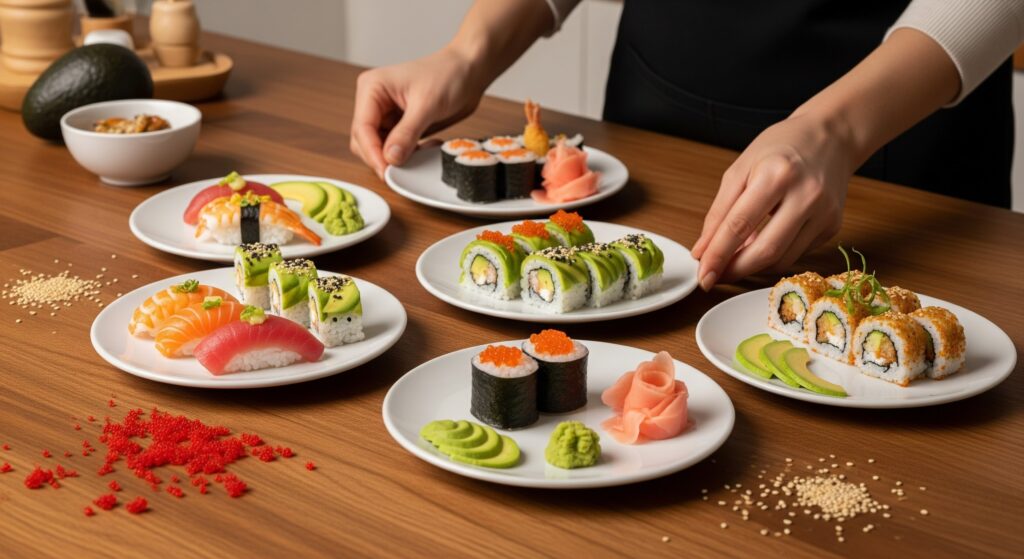
Yes. Start small, sequenced bites and a clear flow: start bright and lean, then move to richer items, and finish light (e.g., soup or tamago). Keep portions “one or two bites” so you can serve pieces promptly; freshness is the point.
Safety First (Read This Before Planning Raw Fish)
Raw or undercooked fish can contain parasites (such as Anisakis) and harmful germs; the CDC notes the surest prevention is to avoid raw fish if you’re at higher risk (pregnant, immunocompromised, older adults, young children)
The FDA advises that while freezing can kill parasites, freezing does not kill all germs; thoroughly cooking seafood is the safest option.
If you still choose to serve raw seafood, use fish that has been properly frozen for parasite destruction (e.g., −4°F/−20°C for 7 days or industry equivalents) and understand most home freezers don’t reliably reach those conditions.
Build Your 10-Min At-Home Omakase: Course Map
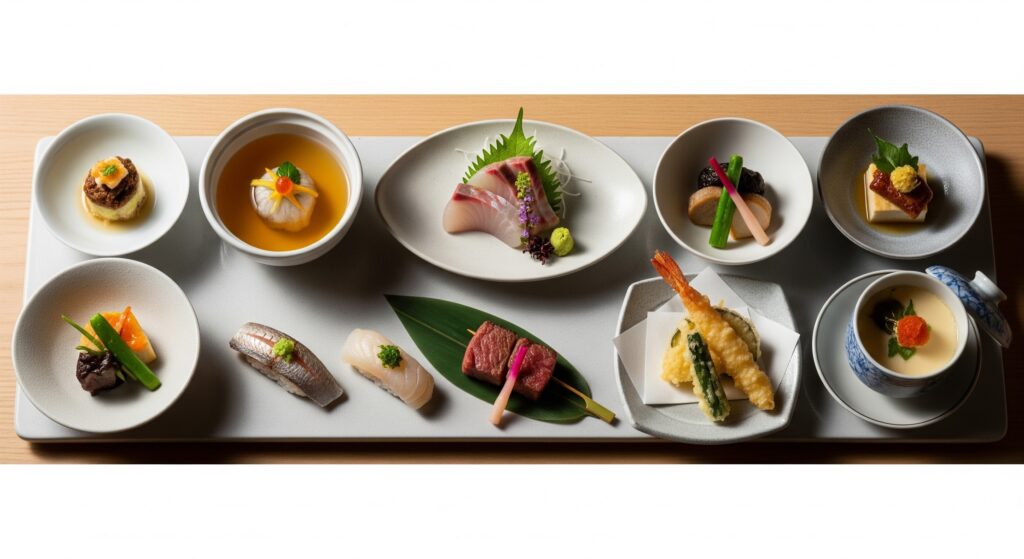
The order (8–10 bites):
- Clean openers: cucumber sunomono, edamame, or a small miso soup.
- Light seafood (or cooked alternative): e.g., lightly seared white fish; or tofu with ponzu.
- Nigiri sequence (3–5 pieces): progress from lean to richer; swap in torched or fully cooked options (miso-glazed salmon bite, tamago).
- A simple roll or hand roll.
- Warm finish: chawanmushi (savory custard) or a small broth.
- Sweet bite: fruit or matcha ice cream.
How much to serve: Plan ~8–10 total bites per person; keep each piece ~1–2 bites so you can plate and serve quickly.
Sushi Rice (Shari): The Make-or-Break
Rinse short-grain Japanese rice until the water runs mostly clear; cook slightly firm, about 1:1 rice-to-water by volume, to leave room for vinegar seasoning.
Season warm rice with a simple mix of rice vinegar, sugar, and salt (often around 4:2:1 by volume) and fold gently so grains stay intact.
Sauces, Condiments, and Garnishes
Keep it minimal: a light soy (or brushed nikiri), a dab of wasabi, and gari (pickled ginger) for palate cleansing. Add tiny accents like chive, sesame, shiso, or citrus zest for aroma (general seasoning references in MAFF’s washoku notes).
Etiquette Cues That Help The Food Shine
Eat pieces soon after plating; hands are fine for nigiri; dip fish-side lightly into soy; avoid mixing wasabi into soy. These are common pro tips echoed by Chef Masaharu Morimoto and cultural guides.
Ingredient Swaps For Whatever’s In Your Fridge
Starters
- Sunomono → quick cucumber salad with rice vinegar + pinch of sugar + salt.
- Edamame → blanched green beans with salt.
- Miso soup → light vegetable broth with a few tofu cubes and scallions.
Light Course
- Lean white fish (raw) → poached shrimp, lightly seared cod, or silken tofu with citrus-soy.
- Toro/salmon (raw) → torched salmon, smoked trout, or marinated mushrooms.
Nigiri Sequence
- Fish nigiri → seared salmon bites, tamago (sweet omelet), roasted mushroom “nigiri,” or thin slices of poached chicken with a dab of miso.
Roll/Hand Roll
- Tuna roll → cucumber-avocado, roasted sweet potato, or canned tuna mixed with a little mayo and scallion.
Warm/Savory Finish
- Chawanmushi → quick steamed egg custard or gently scrambled eggs with dashi/stock notes.
- Grilled bite → miso-glazed eggplant or teriyaki chicken cubes.
Simple Sauce Stand-Ins
- Quick ponzu: soy + a squeeze of citrus + splash of rice vinegar
- Light glaze (nikiri-style): gently warm soy with a pinch of sugar; brush sparingly.
5 Micro-Techniques For Restaurant-Quality Bites
1) Keep The Shari Right. Work with warm, seasoned rice; keep it covered with a damp towel, and handle with damp hands so grains stay glossy and separate (see rice method above for ratios and folding notes).
2) Slice In One Clean Pull. Use long, gentle strokes and wipe the blade between cuts for clean edges. If you plan to torch or sear, pat the surface dry first so it browns instead of steams.
3) Shape Gently, Not Tightly. Form a small oval of rice (about thumb-size) with light pressure, add a tiny dab of wasabi (optional), then drape the topping. A soft two-touch press sets the shape without crushing the grains.
4) Brush, Don’t Dunk. Season the fish with a light swipe of soy or nikiri; if dipping, touch fish-side to the soy so the rice doesn’t fall apart (echoing the etiquette cues above).
5) Serve On A Clock. Plate 1–2 pieces at a time and serve immediately. Stagger the next pieces while guests eat so everything stays fresh and relaxed.
Sample 8-Bite Menus
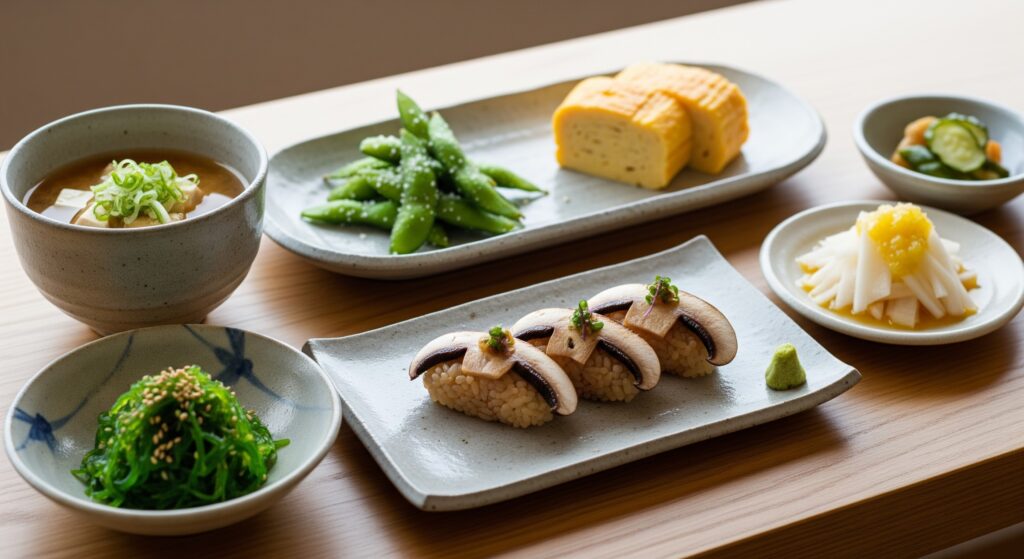
Short on time? Start with one of these two 8-bite lineups. The first stays cooked/veg-forward for broad comfort; the second includes raw fish only if you’ve sourced and handled it safely as noted above.
Cooked/vegetarian-forward track (safer for guests):
- Miso soup shooter
- Edamame
- Seared mushroom nigiri
- Tamago
- Cucumber roll
- Miso-glazed salmon bite (fully cooked)
- Chawanmushi
- Fruit
“Includes raw” track (only if using properly frozen fish):
- Sunomono
- Lean white-fish sashimi
- Lightly torched salmon nigiri
- Tuna nigiri
- Simple maki
- Tamago
- Clear broth
- Fruit
A 10-Minute Professional Plating Sequence
(Assumes rice, toppings, and garnishes are prepped; plan for 2–4 diners.)
- Minute 0–1: Set plates, lay out garnishes, warm broth/soup.
- Minute 1–2: Pour small miso or broth shooters; serve.
- Minute 2–3: Plate a crisp opener (sunomono or edamame).
- Minute 3–5: Nigiri #1–2 (lean → slightly richer); serve immediately.
- Minute 5–7: One simple maki or mini temaki; pass small soy dishes.
- Minute 7–8: Nigiri #3 (richer or torched) or a cooked bite (tamago/mushroom).
- Minute 8–9: Warm savory finish (chawanmushi or small broth refill).
- Minute 9–10: Sweet bite (seasonal fruit or a small scoop) and a quiet “last word.”
Bring It Home: Your Omakase, Your Way
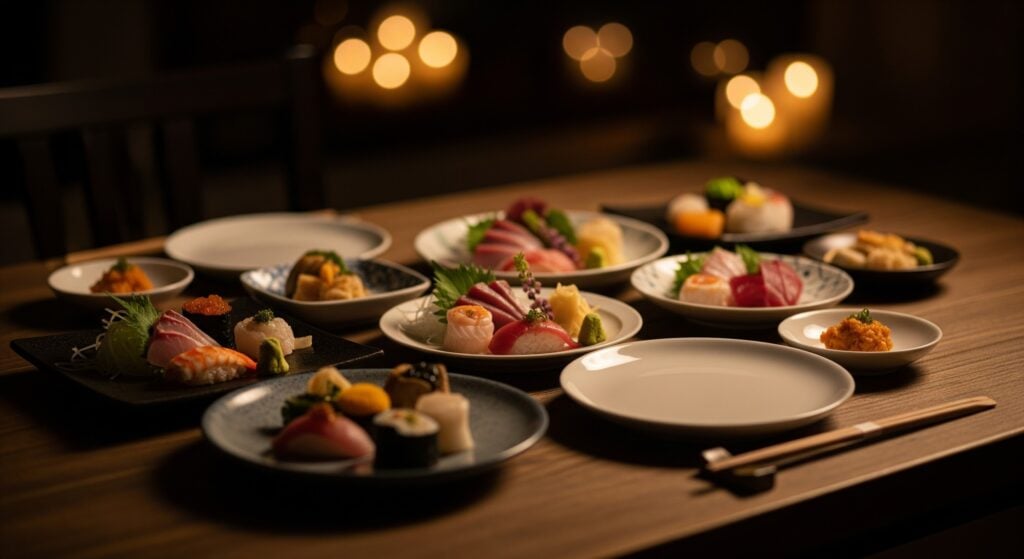
When done well, omakase at home becomes more about attention: clean flavors and pacing that lets each bite shine. Keep the sequence small and err on the side of cooked or veg for guests’ safety and ease. You can now enjoy a chef’s-choice experience tailored to your kitchen and your crowd!
Frequently Asked Questions
What does “omakase” literally mean?
It means “I leave it up to you,” used to signal the chef will choose the courses.
How many courses should I plan at home?
Aim for 8–10 small bites moving from light to rich; this mirrors the typical flow described in overviews of omakase service.
Is serving raw fish at home safe?
There’s always risk. The FDA says cooking is the safest choice; freezing can kill parasites but not all germs. High-risk groups should avoid raw seafood.
What are the freezing rules people cite for raw fish?
Industry standards include −4°F (−20°C) for 7 days or super-cold equivalents; many home freezers don’t reach those conditions, so buy fish treated by a trusted source if you choose to serve raw.
How should I eat nigiri: hands or chopsticks, and how to dip?
Hands are fine; dip fish-side lightly into soy and avoid mixing wasabi into the soy, per Chef Masaharu Morimoto and culture guides.
Glossary
- omakase (leave it to the chef)
- nigiri (hand-pressed rice with topping)
- sashimi (sliced raw fish)
- maki (rolled sushi)
- temaki (hand roll)
- tamago (sweet omelet)
- itamae (sushi chef)
- shari (seasoned rice)
- neta (topping)
- nikiri (light soy glaze)
- gari (pickled ginger)