

Fast Facts: Is a Stand Mixer with Glass Bowl and Attachments Worth Buying?
- A stand mixer with glass bowl and attachments is worth buying if you bake frequently and want to visually monitor mixing without stopping the machine.
- A stand mixer with glass bowl offers full visibility and a non-reactive surface, which can be useful for delicate or acidic recipes.
- Attachments included significantly improve value by eliminating extra purchases and ensuring immediate versatility.
- Paying extra makes sense for buyers who care about baking precision, aesthetics, and an all-in-one starter setup.
- The upgrade is less compelling for users focused on budget, lighter handling, or heavy bread dough production.
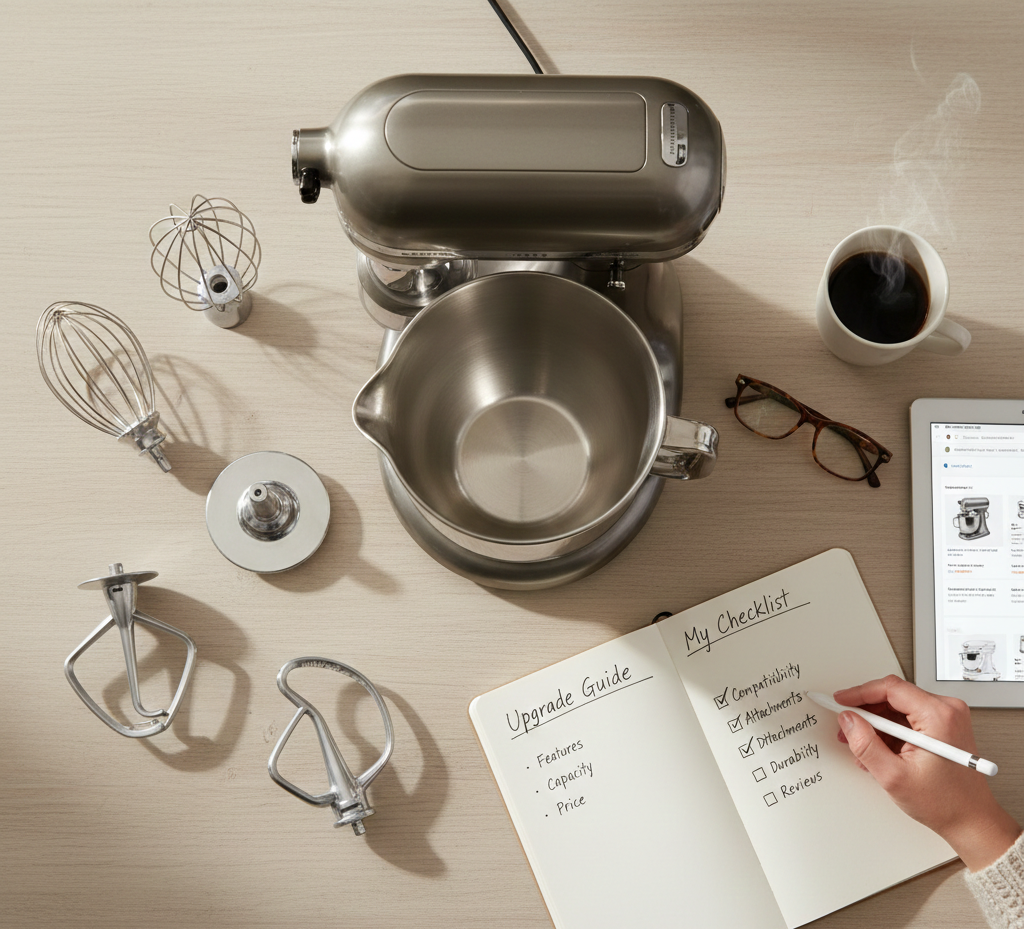
Choosing a stand mixer with glass bowl and attachments often feels more complicated than it should. Many buyers start with a simple goal to upgrade their baking setup, then quickly get stuck comparing stainless steel versus glass bowls and questioning whether stand mixer attachments included actually justify the higher price.
Brands do not make this decision easier. KitchenAid and similar manufacturers position glass bowl models as premium upgrades, highlighting visibility, design, and experience rather than raw performance. That marketing works, but it also creates doubt about whether the benefits are practical or mostly aesthetic.
This guide is designed to remove that uncertainty. Below, you will find a clear breakdown of how glass bowl stand mixers differ from stainless steel versions, why bundled attachments matter more than most buyers realize, and which types of home cooks actually benefit from paying more. The goal is not to sell you on an upgrade, but to help you decide with confidence.
What Makes a Stand Mixer with Glass Bowl Different
Visibility While Mixing
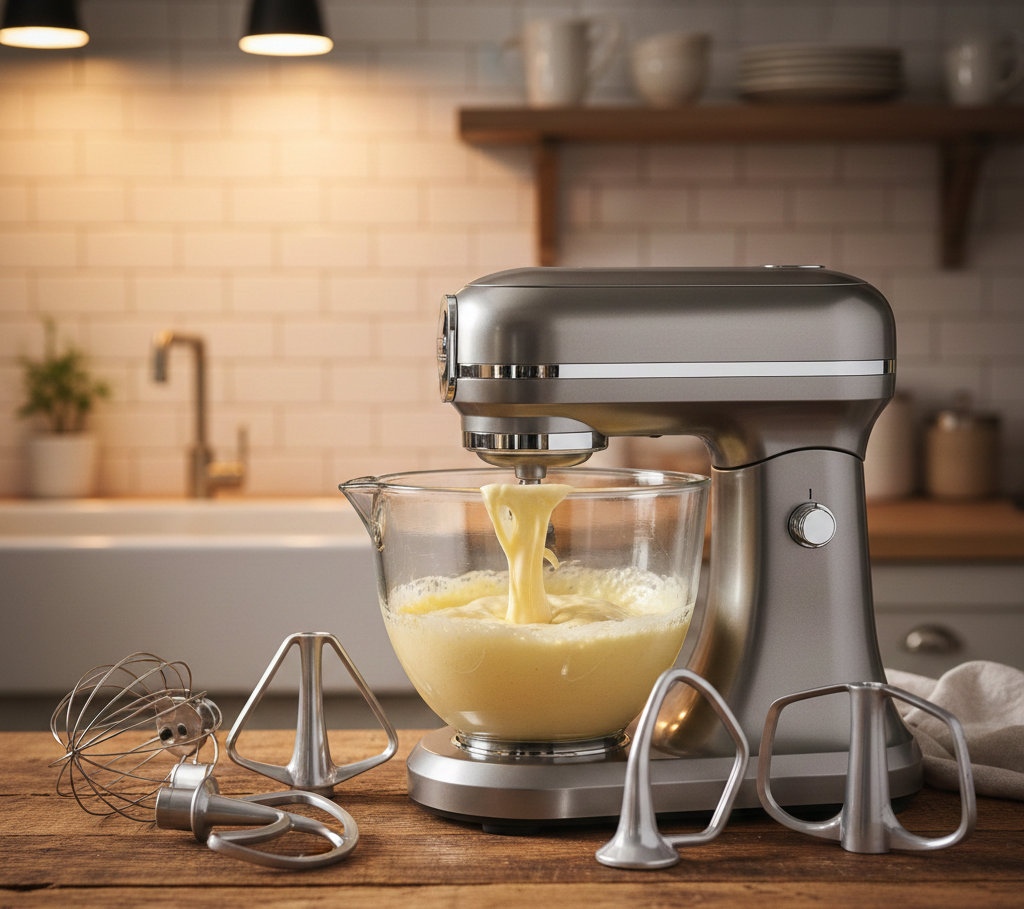
The defining advantage of a stand mixer with glass bowl is visibility. Unlike stainless steel bowls, glass allows you to see exactly what is happening during mixing. You can watch butter and sugar cream together, track how evenly flour incorporates, and spot unmixed pockets without stopping the mixer or scraping prematurely.
For bakers who rely on visual cues, this can improve consistency. Dough hydration, batter smoothness, and whipping stages are easier to judge when you can see them develop in real time. This is especially helpful for newer bakers who are still learning what properly mixed dough or batter should look like.
Non-Reactive Material Benefits
Glass is fully non-reactive. That means it will not interact with acidic ingredients like citrus juice, vinegar, cocoa, or certain fruits. Stainless steel is generally safe for most baking tasks, but glass removes even minor concerns, especially for recipes that sit in the bowl for extended periods.
This matters more for bakers who mix and rest doughs or batters directly in the stand mixer bowl. It also appeals to cooks who prefer materials that feel neutral and inert in all situations.
Weight, Stability, and Design Appeal
Glass bowls are heavier than stainless steel. That added weight can increase stability during mixing, especially at higher speeds, but it also makes lifting, pouring, and cleaning more effortful. This is a real tradeoff for daily users.
Durability is another consideration. Glass bowls are thick and tempered, but they can chip or break if dropped. Stainless steel bowls are nearly indestructible. Design is where glass clearly wins. Glass bowls look intentional, premium, and display-worthy, which is why many buyers leave them on the counter instead of storing them away.
Glass Bowl vs. Stainless Steel Bowl
Pros and Cons of Glass Bowls
Glass bowls offer full visibility, a non-reactive surface, and strong aesthetic appeal. They feel premium and are often marketed as an upgrade. However, they are heavier, more fragile, and usually more expensive.
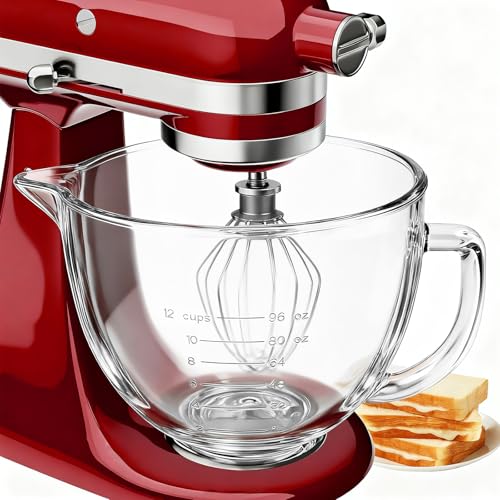
- WIDELY COMPATIBLE: Compatible with all KitchenAid 4.5 and 5-Quart Tilt-Head Stand Mixers, including...
- DOUBLE-LAYER THICKENED GLASS: This glass mixer bowl is made of food-grade double-layer thickened glass...
Last update on 2026-10-14 / Affiliate links / Images from Amazon Product Advertising API
(As an Amazon Associate, we earn from qualifying purchases.)
Pros and Cons of Stainless Steel Bowls
Stainless steel bowls are lightweight, durable, and easy to handle. They are better suited for frequent use and heavy dough work. The downside is that you cannot see the mixing process, and they tend to look more utilitarian.
No products found.
(As an Amazon Associate, we earn from qualifying purchases.)
Cleaning and Daily Use Differences
Both bowl types are dishwasher safe. The difference shows up in daily handling. Glass bowls require more care when lifting and storing. Stainless steel bowls are easier to grab, harder to damage, and better for fast, repetitive baking sessions.
When a Glass Bowl Is Worth the Premium
A glass bowl is worth paying for if you value visibility, enjoy the baking process, and want a mixer that feels like a centerpiece rather than a tool. If you prioritize efficiency, durability, and ease of handling, stainless steel remains the more practical option.
Why Attachments Included Matter More Than You Think
Core Attachments You Actually Use
Most mixers sold with stand mixer attachments included come with a flat beater, wire whisk, and dough hook. Some bundles also include a flex-edge beater designed to scrape the bowl during mixing.
These are not optional extras. Without them, a stand mixer cannot perform its core functions effectively. A mixer without a whisk limits whipping and aeration. A mixer without a dough hook makes bread baking far less practical.
Value of Bundled Attachments
Bundled attachments increase value by eliminating extra purchases and decision-making. Buying attachments separately later often costs significantly more, especially when buying branded or coated versions. Bundles also remove compatibility concerns, which can arise when mixing attachments from different generations or models.
Bundled vs Sold Separately Cost Reality
In many cases, a mixer with attachments included costs less than a base model plus add-ons. For first-time buyers, this matters. You get a complete setup from day one, which reduces friction and makes the mixer immediately useful.
KitchenAid and the Premium Glass Bowl Positioning
Why Glass Bowl Stand Mixer KitchenAid Models Cost More
A glass bowl stand mixer KitchenAid model is typically priced higher than its stainless steel counterpart. Part of this is material cost, but much of it comes from positioning. Glass bowls signal a premium experience and appeal to buyers who value both function and design.
Functional Versus Aesthetic Value
From a purely functional standpoint, glass does not make the mixer more powerful or more versatile. The value lies in experience. Seeing the mix develop, enjoying the look on the counter, and feeling like the appliance fits your kitchen aesthetic all factor into perceived worth.
Which Buyers Benefit Most
KitchenAid glass bowl models benefit frequent bakers, visual learners, and buyers who want an appliance that doubles as a design element. They are less beneficial for users who bake occasionally or prioritize durability over appearance.
Who Should Buy a Stand Mixer with Glass Bowl and Attachments
- Frequent home bakers who mix several times per week
- Visual bakers who want to monitor dough and batter without stopping
- Buyers seeking an all-in-one starter setup with no additional purchases
For these users, visibility plus bundled attachments reduce friction and increase enjoyment.
Who Should Skip It
- Budget-focused users who want maximum function per dollar
- Heavy bread dough bakers who prefer lighter, unbreakable bowls
- Cooks who prioritize ease of handling over aesthetics
If your stand mixer is primarily a workhorse, stainless steel often delivers better long-term value.
Final Thoughts
A stand mixer with glass bowl and attachments is worth the upgrade when baking is a regular habit and the experience matters as much as the result. Visibility, non-reactive mixing, and bundled attachments create a setup that feels complete, premium, and intentional from the start.
That said, stainless steel bowls and fewer attachments remain smarter choices for buyers who prioritize durability, lighter handling, and cost efficiency. The right decision depends on how often you bake, how you prefer to work, and whether you want your mixer to quietly support your routine or actively enhance it. Choose the option that aligns with your habits, not just the marketing.
FAQs: Stand Mixer with Glass Bowl and Attachments
What is the benefit of a stand mixer with glass bowl and attachments?
It offers visual mixing control and immediate versatility without needing extra purchases.
Is a stand mixer with glass bowl better than stainless steel?
It is better for visibility and aesthetics, while stainless steel is better for durability and ease of handling.
Are KitchenAid glass bowl stand mixers worth the price?
They are worth it for frequent bakers who value experience and design, but not essential for all users.
What stand mixer attachments are usually included?
Most include a flat beater, wire whisk, and dough hook, with some bundles adding a flex-edge beater.
Can attachments be added later if they are not included?
Yes, but buying them separately usually costs more than purchasing a bundled set.
Is a glass bowl stand mixer heavier to use?
Yes, glass bowls are heavier and can feel cumbersome for daily lifting and cleaning.
Who should buy a stand mixer with glass bowl and attachments?
Frequent bakers, visual learners, and buyers wanting a complete premium setup benefit the most.
What is the benefit of a stand mixer with glass bowl and attachments?
The main benefit of a stand mixer with glass bowl and attachments is visibility and completeness. You can watch ingredients mix in real time, and with attachments included, you can handle most recipes immediately without buying extras.
Is a stand mixer with glass bowl better than stainless steel?
A stand mixer with glass bowl isn’t automatically better—it’s different. Glass offers visibility and aesthetics, while stainless steel is lighter and more durable. The better option depends on your baking frequency and priorities.
Are KitchenAid glass bowl stand mixers worth the price?
Glass bowl KitchenAid models are worth the price for frequent bakers who value the visual mixing process and premium feel. For occasional use or heavy dough work, stainless steel models may offer better value.
What stand mixer attachments are usually included?
Most mixers with stand mixer attachments included come with a flat beater, wire whisk, and dough hook. Some bundles also include a flex-edge beater for improved scraping.
Can attachments be added later if they’re not included?
Yes, attachments can usually be added later, but they’re often more expensive when purchased separately. Buying a mixer with attachments included is typically more economical.
Is a glass bowl stand mixer heavier to use?
Yes. A glass bowl stand mixer is heavier than one with a stainless steel bowl. The extra weight adds stability but makes lifting and cleaning more effortful.
Who should buy a stand mixer with glass bowl and attachments?
A stand mixer with glass bowl and attachments is ideal for frequent home bakers, visual learners, and buyers who want a complete, premium setup from day one without extra purchases.