


Spring is finally here, and it’s time to swap heavy meals for something light and fresh. With all the amazing produce in season, salads just hit different this time of year. Crisp greens, juicy fruits, and crunchy toppings all come together for the perfect bite. Whether you're making a quick lunch or preparing a side for dinner, a well-made spring salad is always a win. Let’s toss one together!
At a Glance: Spring Salad Ideas
Use this simple formula to build fresh spring salads without a recipe:
- Use this simple formula to build fresh spring salads without a recipe:
- Start with 1–2 tender spring greens (butter lettuce, arugula, spinach)
- Add seasonal fruit or veggies for brightness and balance
- Include something crunchy (nuts, seeds, crispy chickpeas)
- Finish with protein or cheese to make it satisfying
Spring Salad Ideas: A Simple Mix-and-Match Guide
Instead of one set recipe, this guide shows you how to build fresh spring salads using a simple mix-and-match formula so you can create endless combinations with what’s in season.
Step 1: Choose the Right Greens
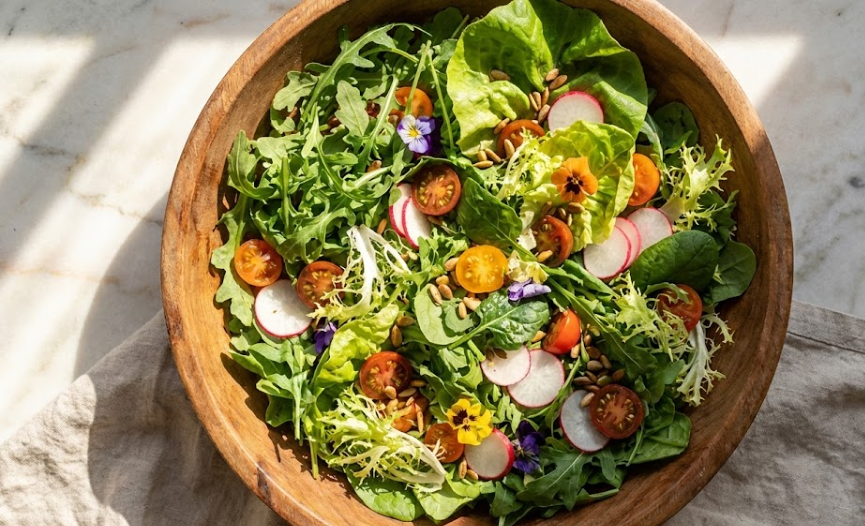
Greens are the foundation of a salad. Luckily, spring brings us light and tender produce. No more thick winter greens!
Some great veggies include:
- Butter lettuce – Soft, mild, and slightly sweet.
- Arugula – Peppery and bold which provides flavor contrast.
- Spinach – Tender, nutrient-rich veggie that pairs well with almost everything.
- Frisée – Crisp with a mild bitterness for extra texture.
- Baby kale – Milder than mature kale but still hearty.
Mixing different spring produce adds variety to the salad's taste and texture. For example, mix butter lettuce's sweetness with arugula's crunch to create a well-rounded base.
Step 2: Add Seasonal Fruits
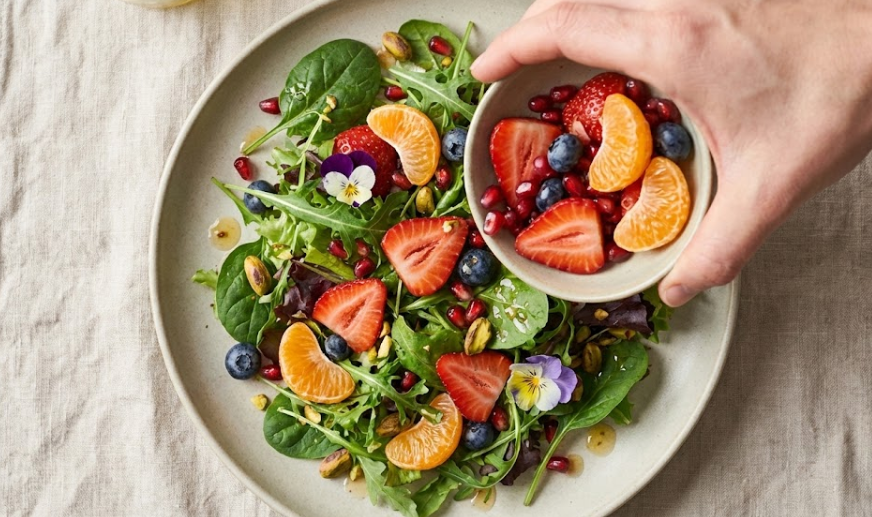
Fresh fruit adds natural sweetness, juiciness, and color. Vegetables provide crunch while fruits balance the flavors and keep the salad from feeling too savory.
Some of the best options include:
- Strawberries – Bright and slightly tart which pairs well with balsamic dressings.
- Mandarin oranges – Juicy and refreshing fruits that enhance citrus-based salads.
- Blueberries – Small but sweet berries that complement creamy cheeses.
- Pears – Crisp with floral notes that adds elegance to salads.
- Pomegranate seeds – Tart and crunchy seeds that provide interesting textures.
Pairing fruit thoughtfully ensures balance. If your spring salad includes salty cheese, add some strawberries to prevent the cheese from overpowering the dish.
Step 3: Add Some Crunch
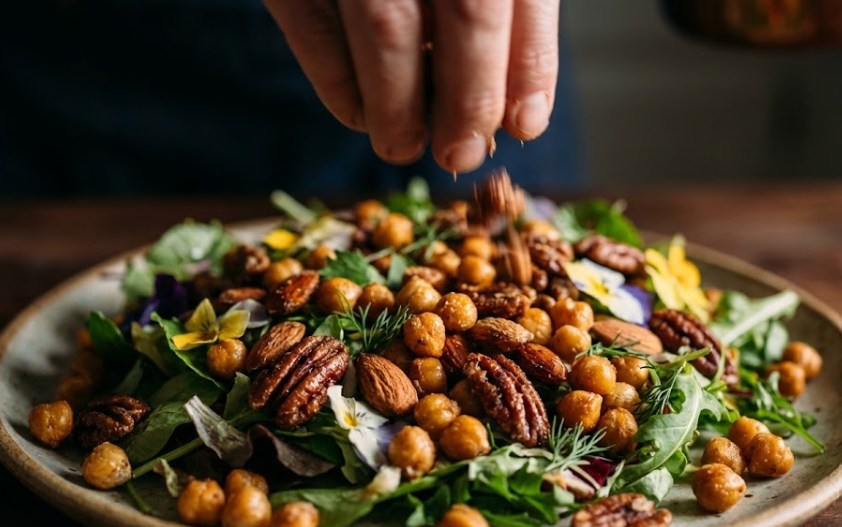
A salad without crunch can feel flat. Make each bite satisfying by adding crispy elements. Try these crunchy toppings:
- Toasted almonds – Slightly sweet and nutty nuts that go well with fruit-forward salads.
- Candied pecans – Crunchy with a touch of sweetness. Candied pecans also balance tangy dressings.
- Sunflower seeds – Small yet flavorful seeds that add a hint of salt to the mix.
- Crispy chickpeas – A high-protein, crouton-like alternative.
Toasting nuts and seeds enhances their flavor and adds more depth to the salad.
Step 4: Choose a Protein
Adding protein makes a salad more filling and satisfying. Whether you prefer light or heartier salads, the protein will always enhance the flavor and texture.
Some great choices include:
- Grilled chicken – Lean and tender; pairs well with any dressing.
- Shrimp – Slightly sweet; complements citrus-based salads.
- Goat cheese – Soft and creamy; provides a rich contrast to crisp greens.
- Feta cheese – Salty and crumbly; pairs well with fruits and nuts.
- Hard-boiled eggs – Simple but satisfying; adds creaminess.
While cheese isn’t a traditional protein, its presence adds richness to the veggies. However, use it moderately so its flavor doesn't overpower the salad.
Step 5: Dress It Up with a Fresh Dressing
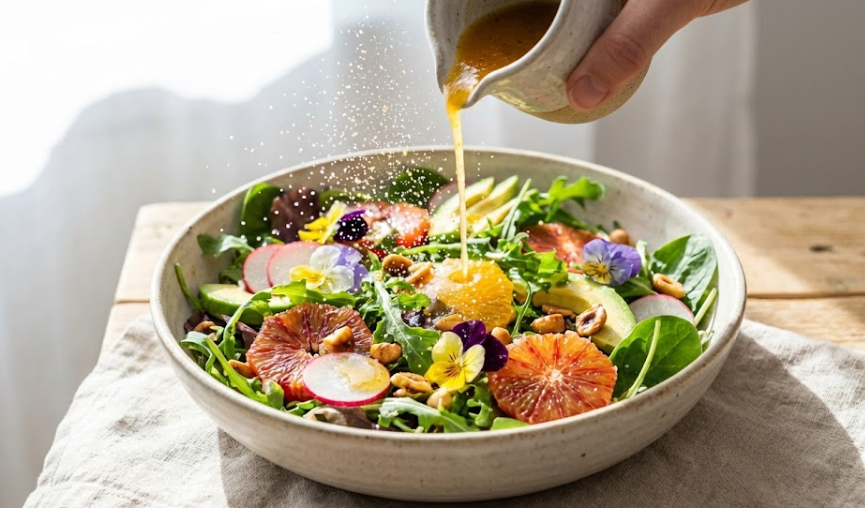
A salad isn’t complete without dressing. While store-bought versions work, homemade dressings taste fresher and allow more control over ingredients. Specifically, light vinaigrettes and citrus-based dressings work best in spring salads.
Citrus Honey Vinaigrette
Citrus honey is a bright, sweet dressing that pairs well with fruit-heavy salads.
- 3 tbsp olive oil
- 1 tbsp fresh lemon or orange juice
- 1 tsp honey
- ½ tsp Dijon mustard
- Pinch of salt & pepper
Whisk until smooth, then drizzle over your salad before serving.
Balsamic Strawberry Dressing 🍓
Balsamic strawberry offers a deep fruity flavor that's great for salads with berries.
- 3 tbsp balsamic vinegar
- 2 tbsp olive oil
- 2 mashed strawberries
- ½ tsp maple syrup
- Pinch of salt
Blend until smooth, then toss with the salad just before serving. Since dressings can make greens soggy, add them at the last minute to keep the veggies crisp.
Step 6: Make It Instagram-Worthy 📸
A well-presented spring salad is enjoyable to look at and exciting to eat. Taste matters most, but if you want to make the salad more appetizing, make a nice plating.
To create a visually appealing salad:
- Layer ingredients thoughtfully – Start with greens, then add fruits, proteins and toppings.
- Mix colors – Bright ingredients contrast beautifully and make the dish pop even more.
- Garnish with fresh herbs – Basil, mint, or chives add a touch of freshness to spring salads.
- Use the right dish – A shallow bowl or wide plate showcases ingredients better than a deep bowl.
For an extra-polished look, thinly slice fruits and fan them out rather than pile them in one spot.
Salads That Spark Joy And Taste Good
Spring salads are the perfect way to welcome the season. Featuring fresh greens, juicy fruits, and flavorful toppings, a simple bowl of spring salad can turn into a vibrant, satisfying meal. Plus, you get to mix and match ingredients to create something truly enjoyable.
So, grab those greens, slice up some fruit, and drizzle on a homemade dressing. Once you start making salads like this, you’ll never settle for boring greens again!
FAQs About Spring Salad
1. What makes a salad a “spring” salad?
Spring salads focus on tender greens, seasonal produce, and lighter dressings. They’re fresher, brighter, and less heavy than winter salads, often featuring fruits, herbs, and citrus-based vinaigrettes.
2. Do spring salad recipes need fruits?
Not always, but fruit adds natural sweetness and balance, especially when paired with salty cheeses or tangy dressings. Strawberries, citrus, pears, and blueberries are popular spring choices.
3. How do you keep spring salads from getting soggy?
Light proteins work best, such as grilled chicken, shrimp, hard-boiled eggs, goat cheese, or feta. These add staying power without weighing the salad down.
4. What protein works best in spring salads?
Light proteins work best, such as grilled chicken, shrimp, hard-boiled eggs, goat cheese, or feta. These add staying power without weighing the salad down.
5. Can spring salad ideas be used as a main dish?
Yes. To make a spring salad a meal, include protein, healthy fats, and crunch. Following a simple assembly formula turns spring salad ideas into filling lunches or easy dinners.