



Quick Facts: Crispy Oven Asparagus in 12 Minutes
- What it is: A fast, high-heat method for oven asparagus that delivers crisp edges and tender centers.
- Why it works: Real roasting needs air flow around each spear, so spacing matters more than extra seasoning or complicated prep.
- Cook time and temperature: Roast at 425°F for 10 to 12 minutes.
- The key rule: Don’t overcrowd the pan. Crowded asparagus traps moisture and steams instead of roasts.
- The result: Bright green asparagus with light browning, a tender bite, and no soggy or limp texture.
- Best use case: A reliable side dish for weeknights when dinner needs to be quick and repeatable.
- What to expect: A simple method, clear doneness cues, and easy flavor upgrades like garlic, lemon, or Parmesan.

Soggy asparagus usually isn’t a seasoning issue. Pan setup causes the problem most of the time. A crowded tray traps moisture, and that moisture turns asparagus in the oven soft, limp, and slightly stringy instead of browned and crisp.
A simple fix changes the result fast. This oven asparagus method uses high heat, light oil, and one non-negotiable rule: leave space between the spears. That one step creates the texture most people want but often miss. Crisp edges. Tender centers. No guesswork. No wet, floppy tray.
The payoff is speed, too. Once the oven is hot, this method takes about 12 minutes from start to finish. Anyone wondering how to roast asparagus crispy without drying it out or overcooking it can use this as the default approach.
Why Asparagus Turns Soggy in the Oven
Most bad trays of asparagus fail for the same reason. Too many spears get piled onto one sheet pan.
Asparagus holds a lot of water. Heat draws that moisture out as it cooks. When the spears sit too close together, the moisture has nowhere to go. Steam builds around the vegetables, and steaming creates a very different texture than roasting. Instead of browning and concentrating flavor, the asparagus softens.
That’s when the usual complaints show up:
- limp stalks
- pale color
- stringy texture
- watery spots on the pan
- soft tips with no crispness
Extra oil doesn’t fix that. Lower heat doesn’t fix it either. Pulling the pan earlier often leaves the asparagus underdone and still damp. Leaving it in longer usually makes it softer. The real issue is not the clock. The real issue is moisture trapped by overcrowding.
That’s also why two trays cooked with the same ingredients can come out completely different. One tray has room for hot air to circulate. The other traps steam. Same vegetable. Different setup. Different result.
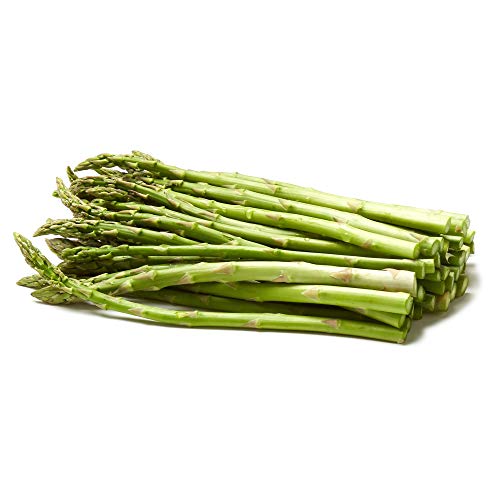
- Asparagus
Last update on 2026-10-14 / Affiliate links / Images from Amazon Product Advertising API
(As an Amazon Associate, we earn from qualifying purchases.)
The One Rule That Changes Everything
The rule is simple: don’t overcrowd the pan.
Each spear needs direct contact with heat and enough open space around it for moisture to escape. Roasting depends on dry surface heat. Steaming happens when moisture lingers. Once asparagus starts steaming on the tray, crisp edges are off the table.
A properly arranged sheet pan should look a little sparse. That can feel wrong at first, especially when using a full bunch, but visible space between the spears is what makes the method work. A second sheet pan is better than one crowded one every time.
Here’s what proper spacing looks like:
- one layer only
- no overlapping tips or stalks
- visible pan surface between most of the spears
- no piles in the center
That spacing lets hot air move across the asparagus, evaporates surface moisture faster, and encourages browning where the spears touch the pan. That’s the difference between asparagus that tastes roasted and asparagus that tastes steamed.
The Foolproof Oven Method
This is the repeatable method for oven asparagus that delivers the right texture with minimal effort.
1. Preheat the oven to 425°F
High heat matters. A fully heated oven gives asparagus the fast blast it needs to roast instead of slowly soften. Don’t slide the pan in while the oven is still climbing.
2. Trim the asparagus
Snap or cut off the woody ends. Thick asparagus usually needs a little more trimming than thin spears. Aim for stalks that look fresh and even.
3. Dry the spears well
Any leftover rinse water works against good texture. Pat the asparagus dry with a clean towel before adding oil.
4. Toss lightly with oil and salt
Use just enough oil to coat the spears lightly. Too much oil can sit on the pan and soften the surface. A small drizzle plus a pinch of salt is enough to start.
5. Spread in a single layer
This is the step that determines the outcome. Arrange the asparagus on a sheet pan with space between each spear. Use a second tray if needed.
6. Roast for 10 to 12 minutes
Anyone asking how long to cook asparagus in oven can use this range as the sweet spot for most medium-thick spears at 425°F. Thin asparagus may finish closer to 8 to 10 minutes. Thick asparagus may need 12 to 14.
7. Pull it when the texture looks right
Don’t wait for deep browning all over. The best tray usually has light browning, crisp edges, and a bright green color.
That’s how to roast asparagus crispy without turning it limp or mushy. High heat plus proper spacing does most of the work.
Visual Doneness Cues That Matter
Cooking time helps, but appearance tells the truth. Good asparagus in the oven should show a few clear signs when it’s ready.
Look for:
- bright green color instead of dull olive green
- light browning on the stalks or tips
- slightly crisp edges where the asparagus touched the pan
- tender centers that still hold their shape
The oven asparagus should bend slightly but not collapse. A fork or knife should slide in easily near the thickest part, but the stalk should still have a little structure.
Signs it needs more time:
- pale color
- slick or wet-looking surface
- completely firm centers
- no browning at all
Signs it went too far:
- shriveled tips
- floppy stalks
- dark brown patches on most of the spears
- mushy texture
Watching for those cues makes the method easier to repeat. Once that visual target is clear, timing becomes much more intuitive.
Easy Flavor Variations for Oven Asparagus
Good oven asparagus doesn’t need much, but a few simple additions can change the mood without changing the method.
Garlic
Add minced garlic during the last 2 minutes of roasting. Garlic burns fast at high heat, so putting it on from the start can create bitter spots.

- Brought to you by Whole Foods Market. Our standards are what set us apart, and our quality is what keeps...
- 3 Bulbs of Garlic Ali.
Last update on 2026-10-14 / Affiliate links / Images from Amazon Product Advertising API
(As an Amazon Associate, we earn from qualifying purchases.)
Lemon
Finish with lemon juice or lemon zest right after the asparagus comes out of the oven. The heat softens the sharpness and brightens the whole tray.

- Tangy and acidic, perfect for balancing out sweetness in any dish or adding a zing to any drink
- Lemons are a rich source of vitamin C, one 58 gram (g) lemon can provide over 30mg.
Last update on 2026-10-14 / Affiliate links / Images from Amazon Product Advertising API
(As an Amazon Associate, we earn from qualifying purchases.)
Parmesan
Sprinkle grated Parmesan over the asparagus while it’s still hot. The residual heat helps it melt slightly and cling to the spears.

- BelGioioso cheeses are made with all-natural ingredients
- refrigeration is necessary
Last update on 2026-10-14 / Affiliate links / Images from Amazon Product Advertising API
(As an Amazon Associate, we earn from qualifying purchases.)
Keep the add-ons light. Too many toppings can weigh down the asparagus and hide the texture this method is designed to create.

What to Serve with Oven Asparagus
This side works because it fits into a lot of dinners without adding extra complexity.
Chicken
Roasted or pan-seared chicken pairs well with the crisp texture and clean flavor of asparagus. Great for fast weeknight plates.
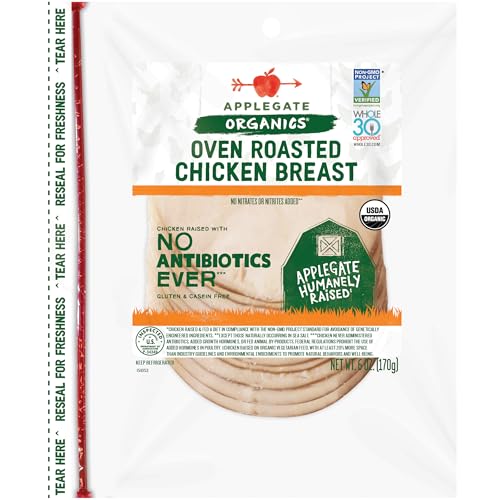
- Applegate, Organic Oven Roasted Chicken Breast, 6oz
- No Antibiotics or Added Hormones
Last update on 2026-10-14 / Affiliate links / Images from Amazon Product Advertising API
(As an Amazon Associate, we earn from qualifying purchases.)
Fish
Salmon, cod, halibut, or tilapia all work here. Lemon asparagus next to fish is especially easy and balanced.
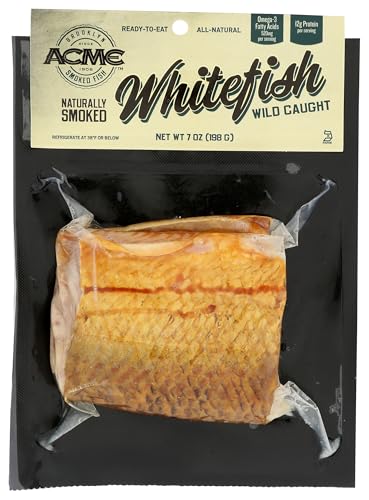
- Responsibly Farmed or sustainable wild-caught
- Certain preservatives prohibited, including sodium bisulfite and STPP
Last update on 2026-10-14 / Affiliate links / Images from Amazon Product Advertising API
(As an Amazon Associate, we earn from qualifying purchases.)
Steak
A tray of asparagus adds freshness and contrast to a richer main like steak. Parmesan asparagus works well with this pairing.

- One Boneless Angus Beef Top Loin Strip Steak weighing between 0.43 and 1.2 pounds
- ALL NATURAL ANGUS BEEF - Our USDA Choice, New York strip steaks are made with one simple ingredient...
Last update on 2026-10-14 / Affiliate links / Images from Amazon Product Advertising API
(As an Amazon Associate, we earn from qualifying purchases.)
Rice or pasta
Asparagus can round out a simple bowl of rice, buttered noodles, or a light pasta dinner. Cut the roasted spears into smaller pieces if needed for easier serving.

- Enjoy the Pasta You Love: Same delicious taste & texture as traditional pasta, but with 55% fewer net...
- Reduce Net Carbs & Calories: We mill wheat to separate its parts, adding back protein (vital wheat...
Last update on 2026-10-14 / Affiliate links / Images from Amazon Product Advertising API
(As an Amazon Associate, we earn from qualifying purchases.)
That flexibility is part of what makes this method worth learning. Once the texture problem is solved, asparagus becomes one of the easiest sides to repeat through the week.
Common Mistakes to Avoid
A few small choices can throw off the result, even with the right oven temperature.
Using a crowded pan
This is the main issue and the one that matters most.
Starting with wet asparagus
Surface moisture slows browning and encourages steaming.
Using too much oil
A heavy coating can make the asparagus feel greasy and soft.
Roasting at low heat
Lower temperatures cook the asparagus more slowly, which gives moisture more time to linger.
Ignoring spear thickness
Thin asparagus cooks faster than thick asparagus. Adjust within the 10 to 12 minute range as needed.
Why This Method Is So Reliable
Reliable cooking comes from using a method that explains the result, not just the timing. That’s what makes this approach stick.
Overcrowding causes soggy asparagus. Spacing fixes it. High heat supports browning. Light oil coats without weighing the stalks down. Visual doneness cues tell you when to stop. Each part has a job, and each part is easy to repeat.
That’s why this method works for beginners and experienced home cooks alike. It solves one real mistake instead of throwing extra steps at the problem.
Download the Printable PDF
Want the quick version you can actually use at dinnertime? Download the printable PDF for the full oven asparagus method, including the exact 12-minute timing, doneness cues, easy flavor add-ons, and simple pairings. It’s made to keep on your phone, print for the kitchen, or save for the next time asparagus is on the menu.
Download the printable PDF and keep the foolproof method handy.

Conclusion
A lot of oven vegetable advice stays too broad to be useful. This one doesn’t. Oven asparagus comes out better when the pan isn’t crowded. That’s the fix. Not more oil. Not complicated prep. Not constant timing tweaks.
Once asparagus in the oven has room to roast instead of steam, the whole tray changes. Texture gets better. Flavor gets deeper. Results get more consistent. That’s what makes this a 12-minute method worth keeping.
Try this the next time asparagus hits the menu. Use the printable if that helps make the process even easier. One small change can turn oven asparagus from soggy and forgettable into a side that actually earns a spot in the weekly dinner rotation.
FAQs
How long to cook asparagus in oven at 425°F?
Most medium spears roast in 10 to 12 minutes.
What temperature is best for oven asparagus?
425°F is ideal for crisp edges and tender centers.
Why does asparagus in the oven get soggy?
Crowding the pan traps moisture and steams the spears.
How do you make roasted asparagus crispy?
Use high heat, dry spears well, and leave space between each one.
Can garlic go on asparagus before roasting?
Garlic is better added near the end so it doesn’t burn.
How do you store leftover oven asparagus?
Keep it in an airtight container in the fridge for up to 3 days.
What’s the best way to reheat roasted asparagus?
Reheat in a hot oven or skillet so the texture stays better than it would in the microwave.
Quick Poll
We want to hear your thoughts! Tell us why you picked your answer and share your best asparagus tip or fail in the comments below.