

At a Glance: Lunar New Year Lucky Foods
- Chinese New Year food is rooted in symbolism, with each dish representing prosperity, longevity, or unity.
- Traditional lucky foods for Lunar New Year carry meaning through color, shape, and pronunciation.
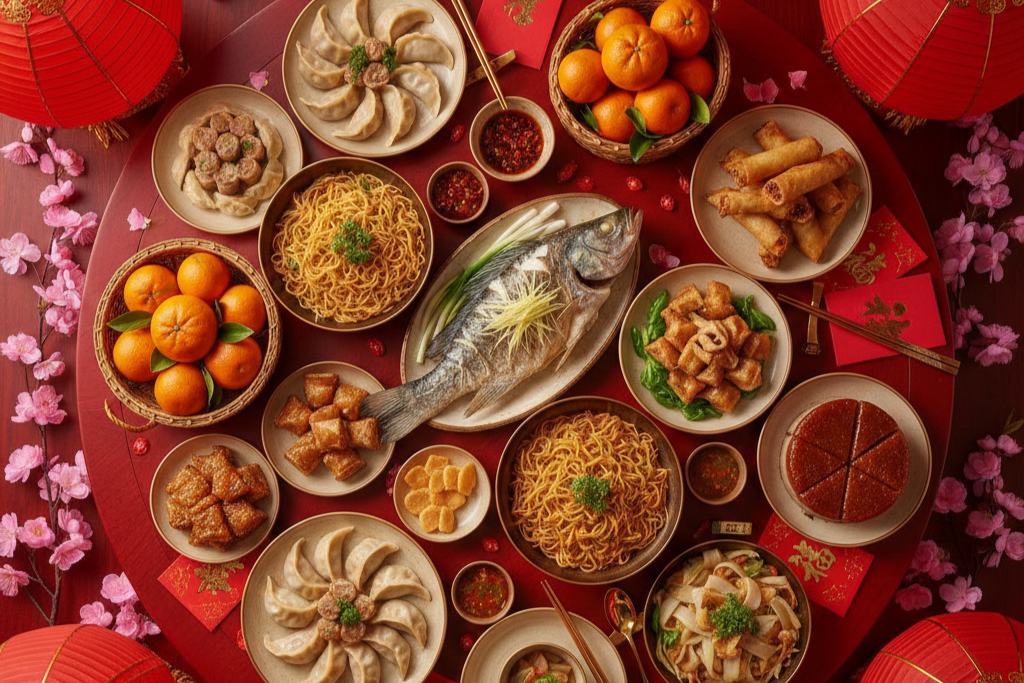
- The four most important Chinese New Year food traditions include dumplings, longevity noodles, whole fish, and nian gao.
- This curated list of 12 Chinese New Year food ideas helps you plan a meaningful and balanced celebration.
- Preparing these symbolic Lunar New Year dishes strengthens family bonds and honors centuries of tradition.
Why Chinese New Year Food Traditions Matter
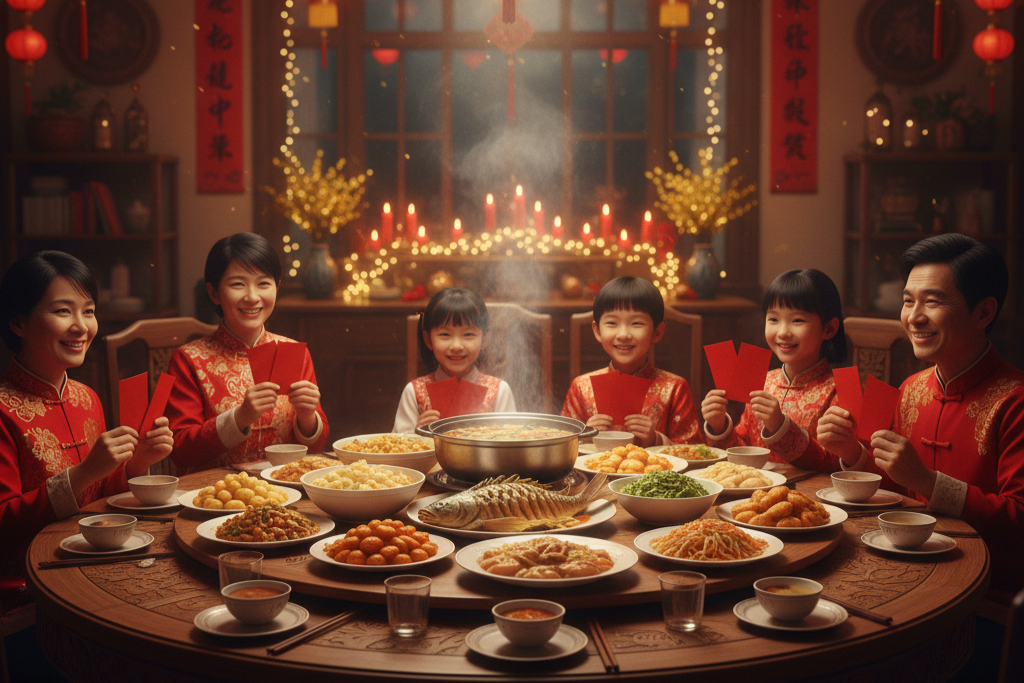
Chinese New Year food is not chosen randomly. Each ingredient on the table represents a wish for the year ahead. Wealth, abundance, long life, harmony, and growth are expressed through carefully selected dishes.
Traditional lucky foods for Lunar New Year often reflect linguistic symbolism. Dumplings resemble gold ingots. Fish sounds like surplus. Sticky rice symbolizes closeness and unity. The meaning behind Chinese New Year food traditions transforms a simple dinner into a ritual of intention.
The following 12 lucky foods for Lunar New Year preserve those customs while remaining approachable for modern home cooks. The first four dishes form the foundation of classic Chinese New Year food celebrations. The remaining eight complete the feast with sweetness, texture, and color.
Dumplings for Wealth
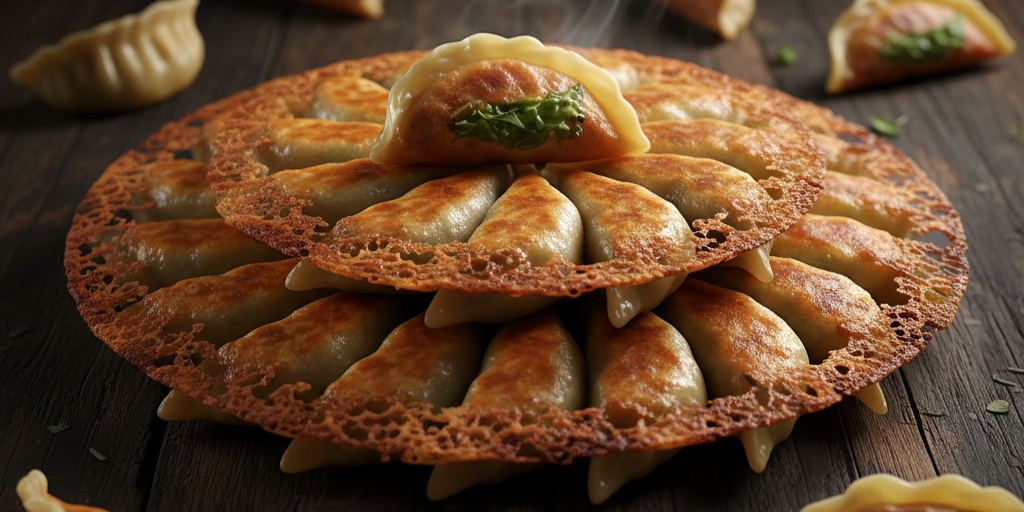
No Chinese New Year food table feels complete without dumplings. Their crescent shape resembles ancient Chinese currency, making them one of the most powerful prosperity symbols in traditional lucky foods for Lunar New Year.
Families gather to fold dumplings together before midnight. Pleats are sealed carefully, and some households hide a coin inside one dumpling for extra luck.
Ground pork with napa cabbage remains classic Chinese New Year food tradition, but shrimp, chives, or vegetable fillings work beautifully. Steamed dumplings feel light and celebratory. Pan-fried dumplings add a crisp golden base that reinforces the symbol of wealth.
Dumplings anchor the celebration in abundance and set the tone for prosperity.

Longevity Noodles for Long Life
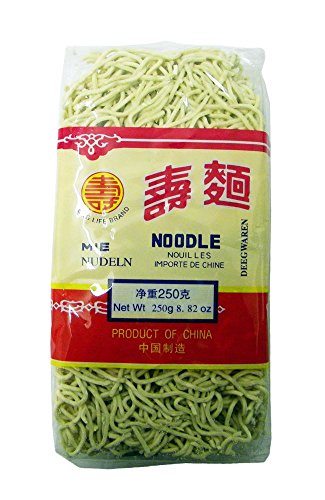
Longevity Noodles represent long life and enduring happiness. Length matters. Cutting the noodles symbolically shortens the blessing.
Chinese New Year food traditions emphasize serving noodles unbroken and encouraging guests to lift them carefully from bowl to mouth.
Light soy sauce, scallions, and tender greens create a comforting dish without heaviness. Wheat noodles labeled as longevity noodles are ideal. Spaghetti can substitute when needed.
Including longevity noodles reinforces health and endurance as central hopes for the new year.
Last update on 2026-10-08 / Affiliate links / Images from Amazon Product Advertising API
(As an Amazon Associate, we earn from qualifying purchases.)

Whole Fish for Abundance
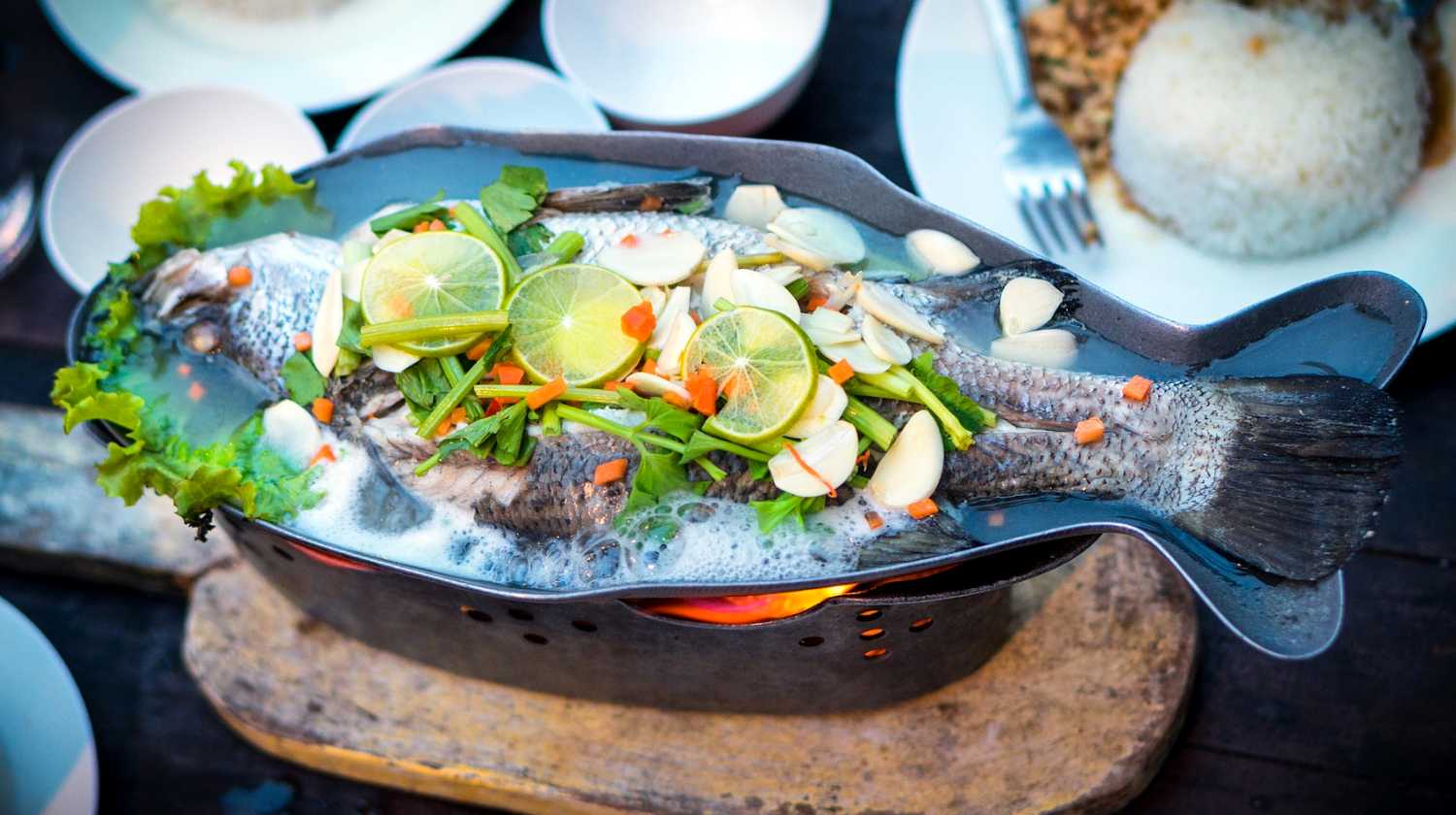
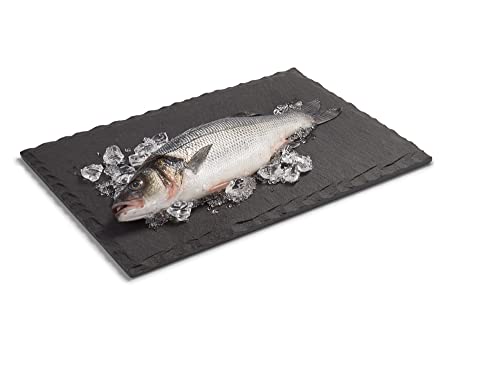
Fish plays a central role in Chinese New Year food customs because the word for fish sounds like the word for surplus. Serving a whole fish represents abundance and completeness.
Presentation is essential. Head and tail remain intact to symbolize a strong beginning and ending. Steamed white fish with ginger and scallions keeps flavors clean while allowing symbolism to shine.
Traditionally, a small portion remains uneaten to carry abundance forward into the coming year.
This dish often sits at the center of the Chinese New Year food spread, visually reinforcing prosperity.
- Responsibly Farmed or sustainable wild-caught
- Certain preservatives prohibited, including sodium bisulfite and STPP
Last update on 2026-10-08 / Affiliate links / Images from Amazon Product Advertising API
(As an Amazon Associate, we earn from qualifying purchases.)
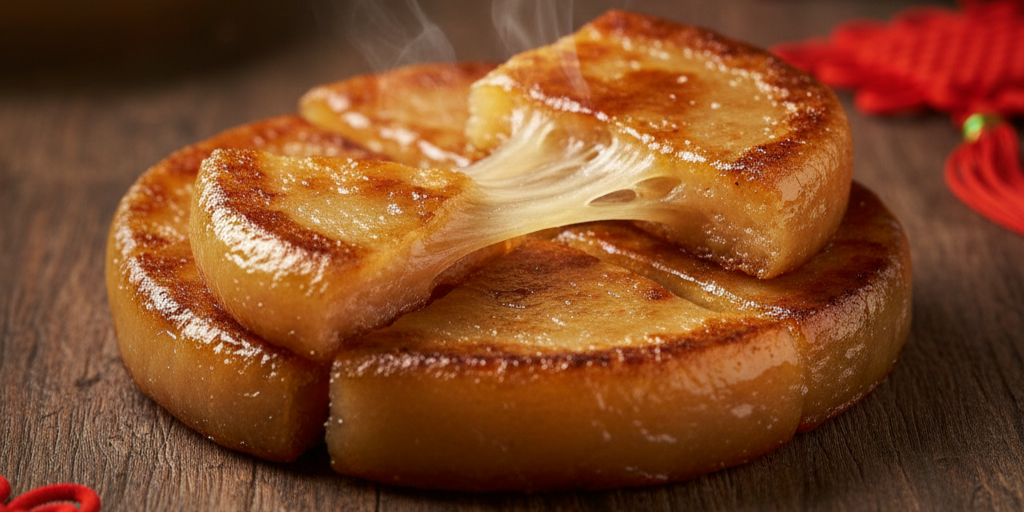
Nian Gao for Growth and Advancement
Nian gao, a sweet glutinous rice cake, symbolizes rising success. Its name sounds like “higher year,” representing growth and progress.
Chewy texture and caramel sweetness make it a celebratory favorite in Chinese New Year food traditions. Brown sugar versions are common, though coconut milk adds richness.
Slices can be steamed or pan-fried for crisp edges. Including nian gao early in the meal emphasizes ambition and upward movement for the year ahead.
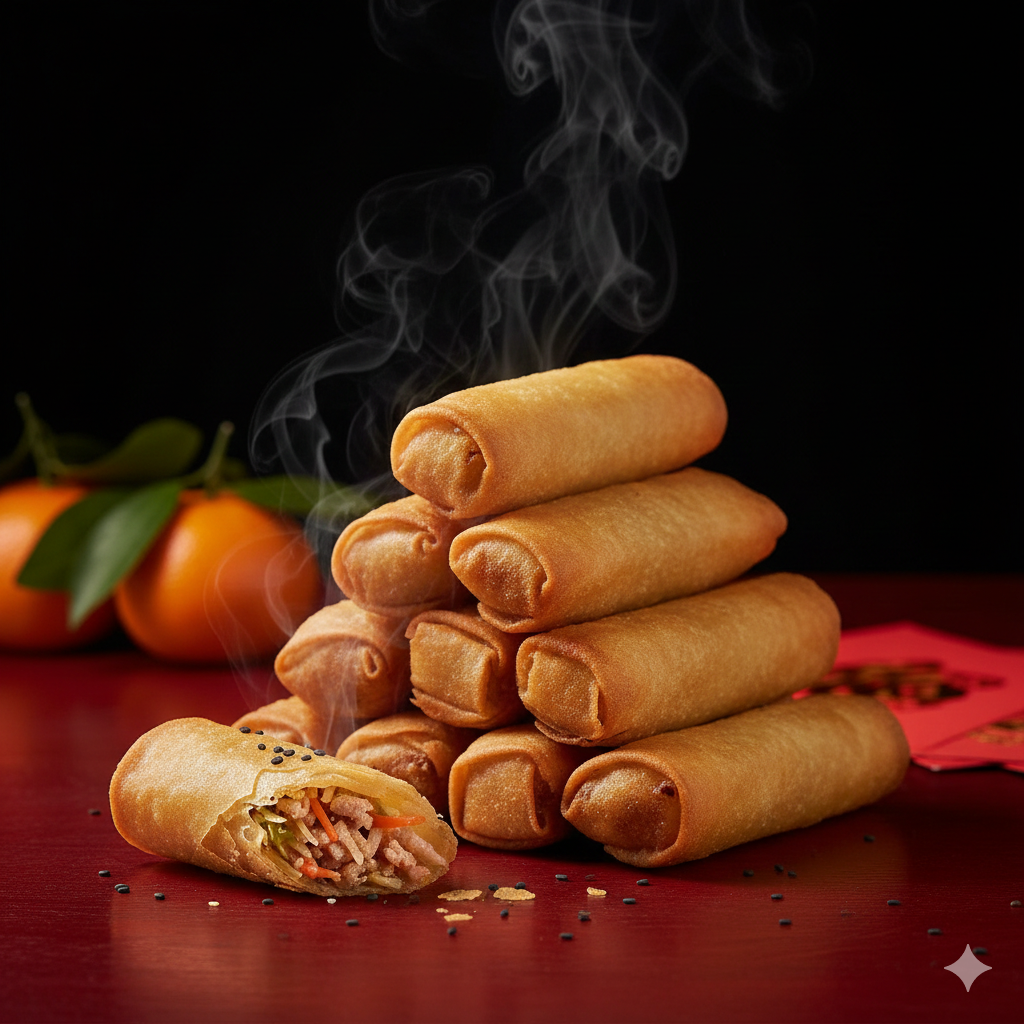
Spring Rolls for Prosperity
Spring rolls resemble gold bars and symbolize wealth. Crisp wrappers filled with savory pork or vegetables create golden bundles of fortune.
Frying until evenly browned enhances both texture and symbolism. These rolls add contrast to softer symbolic Lunar New Year dishes.
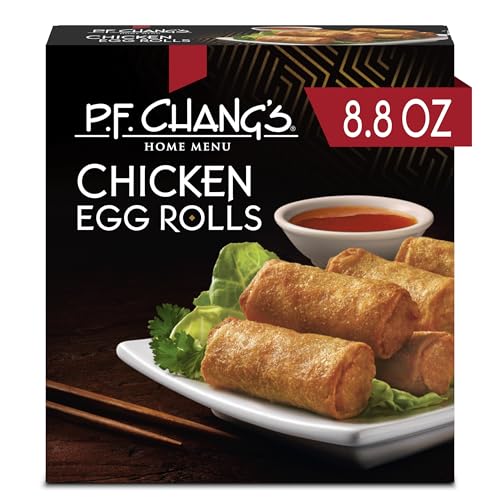
- One 8.8 oz box of P.F. Chang’s Home Menu Chicken Egg Rolls Frozen Appetizer
- Restaurant quality egg rolls make great frozen sides that you can prepare at home
Last update on 2026-10-08 / Affiliate links / Images from Amazon Product Advertising API
(As an Amazon Associate, we earn from qualifying purchases.)

Sweet Rice Balls for Family Unity
Round sweet rice balls symbolize togetherness and completeness. Their smooth shape reflects harmony within the family.
Often filled with black sesame paste or peanut filling, they are served in warm syrup and enjoyed slowly.
These gentle desserts round out Chinese New Year food traditions with warmth and unity.
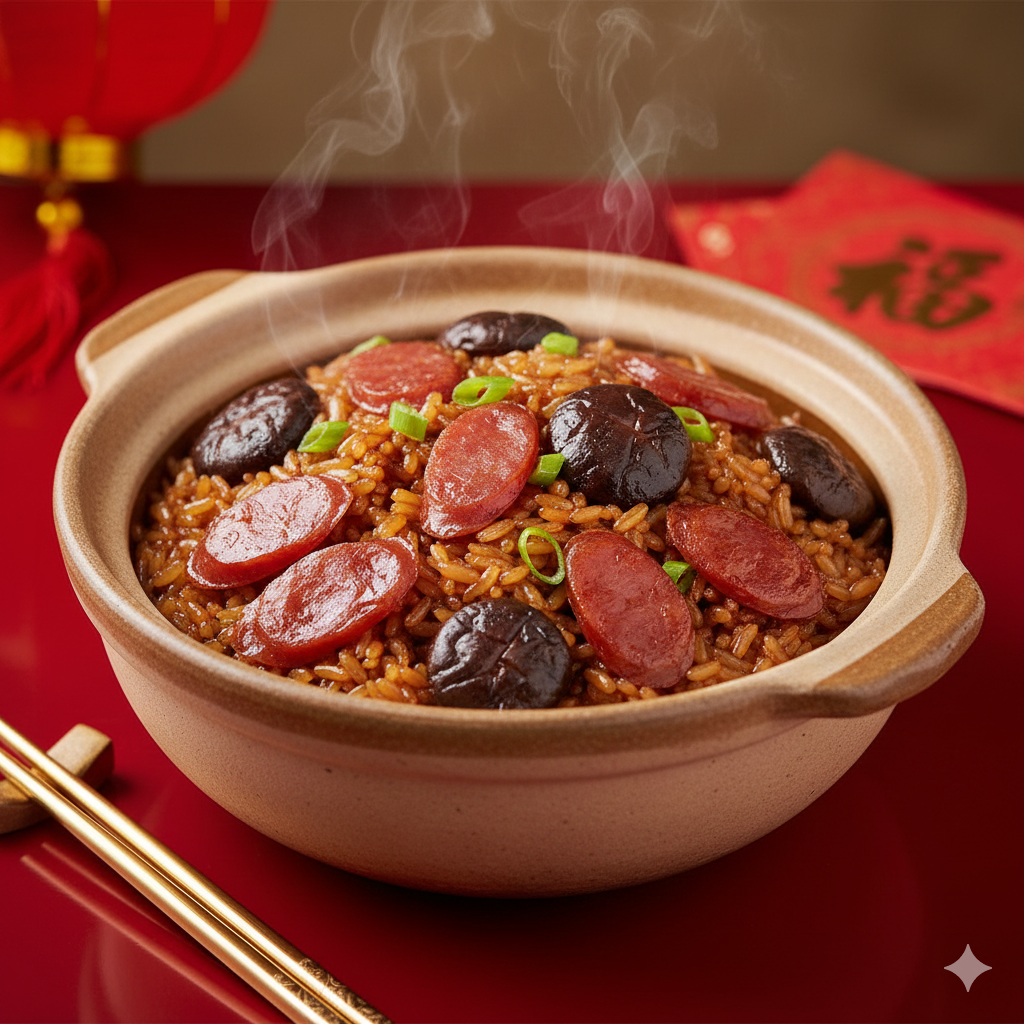
Glutinous Rice for Strong Bonds
Sticky rice dishes bind ingredients together, symbolizing tight family connections.
Savory sticky rice with Chinese sausage and mushrooms adds depth and heartiness to the Chinese New Year food table.
Preparing it ahead makes hosting easier without sacrificing meaning.

Oranges and Tangerines for Good Fortune
Oranges and tangerines represent wealth and luck because of their golden color and auspicious sound.
Displaying them whole brightens the Chinese New Year food spread and offers a refreshing pause between rich dishes.
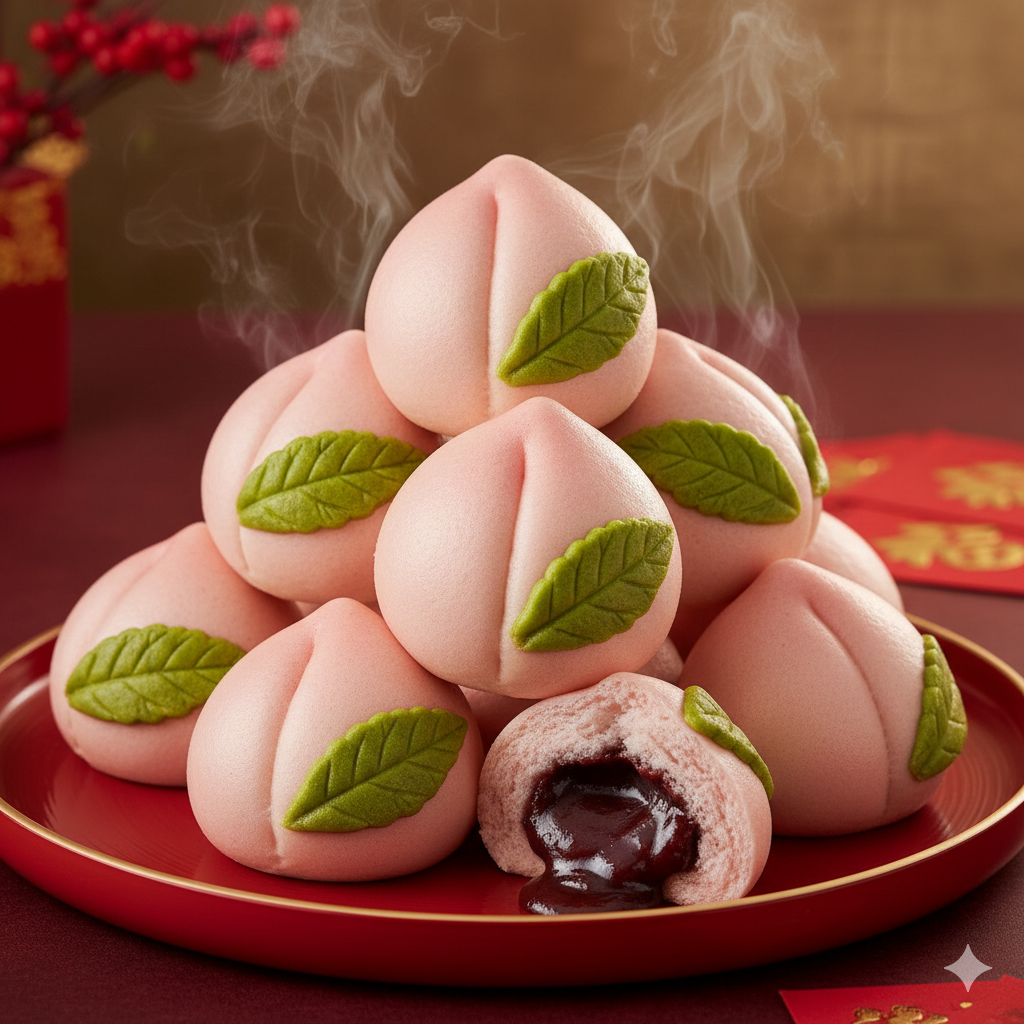
Longevity Peaches for Health
Peach-shaped buns symbolize vitality and long life. Soft dough encasing sweet bean paste adds gentle sweetness.
These are often presented to elders as a respectful wish for health and continued strength.
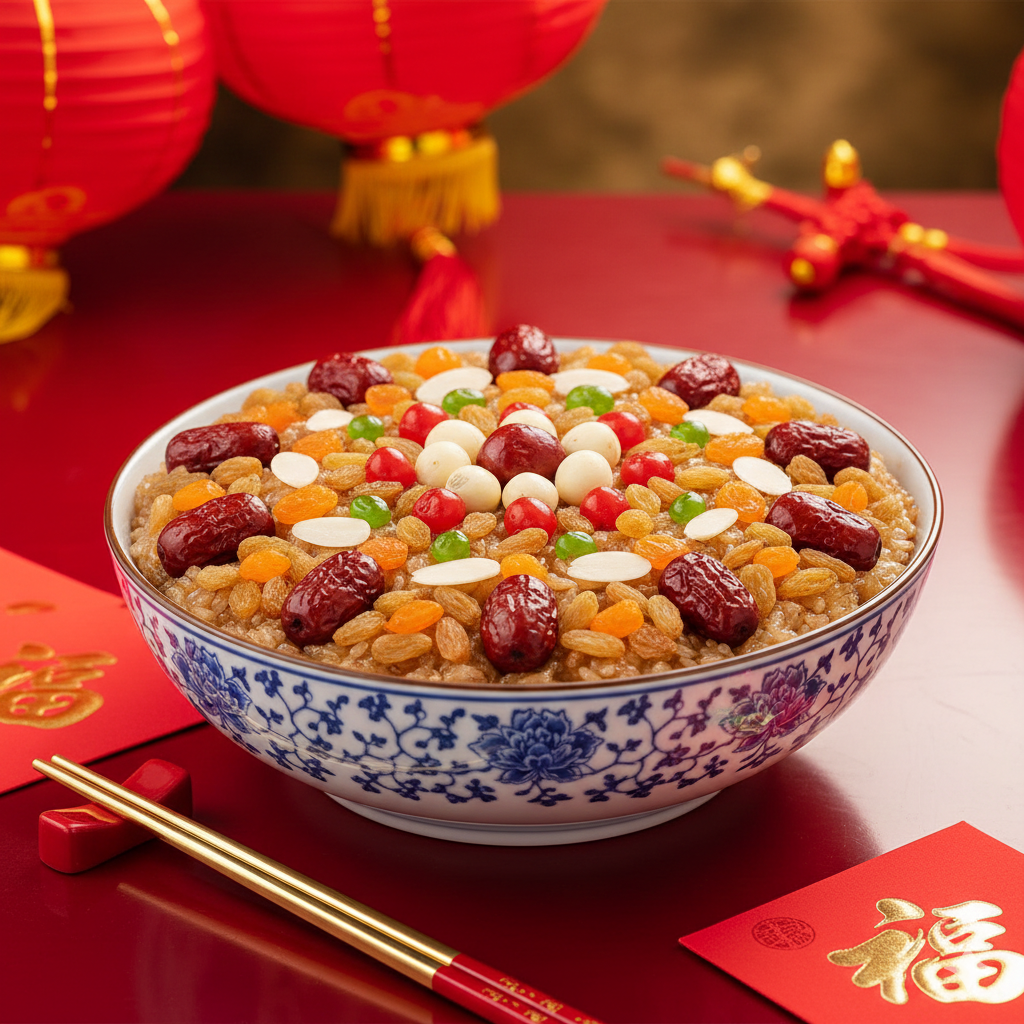
Eight Treasure Rice for Prosperity
Eight treasure rice features sticky rice topped with colorful dried fruits and nuts. The number eight symbolizes wealth in Chinese culture.
This visually striking Chinese New Year food dessert conveys abundance through color and texture.
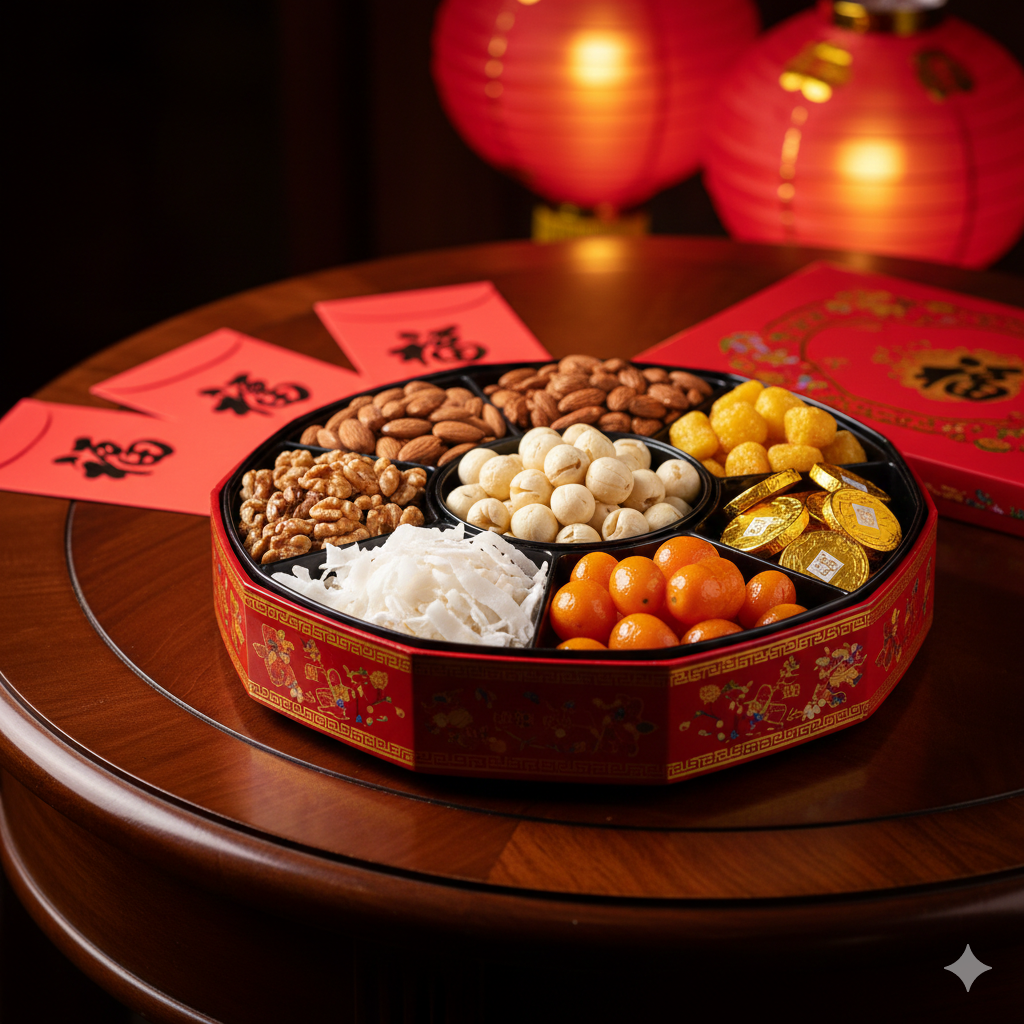
Tray of Togetherness for Harmony
A divided candy tray filled with nuts and sweets symbolizes unity and shared blessings.
Each compartment represents a different wish for happiness in the coming year.
Placed near the entrance or center table, it invites guests to gather and share.
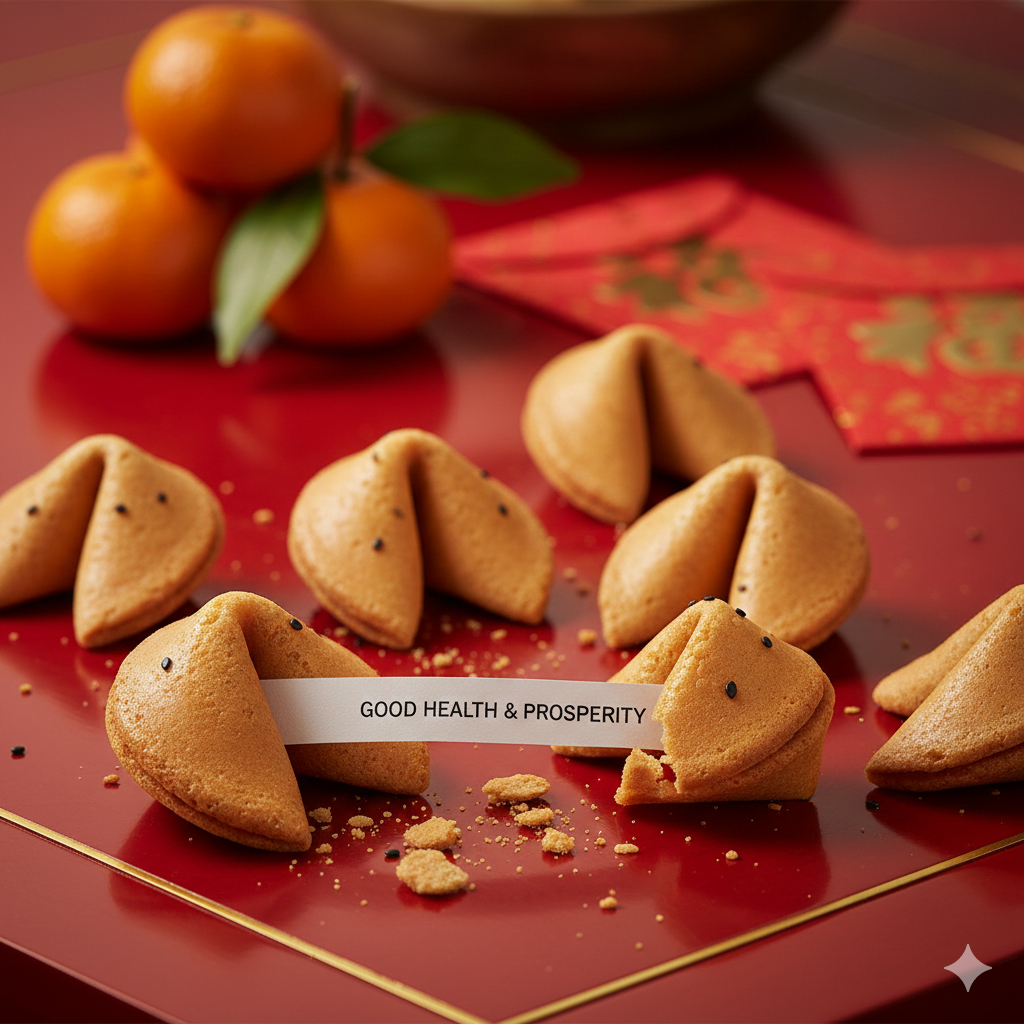
Fortune Cookies for Playful Optimism
Fortune cookies, though more Western in origin, have become a familiar addition to many Chinese New Year food celebrations.
Crisp texture and hidden messages add lighthearted fun to the end of the meal.
Download Our Top 4 Chinese New Year Food Picks
A Simple Celebration Menu + Grocery List
Planning all 12 traditional lucky foods for Lunar New Year can feel like a lot. Most families do not need a banquet to honor Chinese New Year food traditions meaningfully.
That is why we created a simplified, symbolic menu focused on the four most powerful dishes:
- Dumplings for wealth
- Longevity noodles for long life
- Whole fish for abundance
- Nian gao for growth
Together, these four traditional lucky foods for Lunar New Year represent prosperity, health, surplus, and upward progress. Preparing just these dishes preserves the heart of Chinese New Year food symbolism without overwhelming your kitchen.
What You’ll Get in the Download
- A streamlined recipe guide for all four dishes
- A consolidated grocery list organized by category
- Ingredient substitutions for easier shopping
- A prep timeline to keep cooking calm and efficient
- A quick symbolism guide you can share at the table
This printable is designed for busy households who want meaningful Chinese New Year food without cooking twelve separate dishes.
Celebrating Chinese New Year Food with Meaning
Chinese New Year food traditions turn dinner into a ritual of hope. Traditional lucky foods for Lunar New Year carry wishes for prosperity, growth, longevity, and harmony.
Preparing even a few of these Chinese New Year food ideas honors cultural symbolism while keeping hosting manageable. Dumplings, noodles, fish, and nian gao form a strong foundation. Adding fruit or sticky rice builds a full, meaningful spread.
Sharing symbolic Lunar New Year dishes with family strengthens connection and keeps tradition alive across generations.
Food becomes both celebration and blessing.
FAQs About Chinese New Year Food Traditions
What makes Chinese New Year food lucky?
Symbolism based on sound, shape, color, and tradition determines which foods are considered lucky.
Why do dumplings represent wealth?
Their shape resembles ancient gold ingots associated with prosperity.
Why is fish served whole during Chinese New Year?
A whole fish represents completeness and surplus for the coming year.
Can Chinese New Year food be prepared ahead of time?
Many dishes such as dumplings and sticky rice can be made in advance and reheated.
What substitutions work if traditional ingredients are unavailable?
Spaghetti can replace longevity noodles and any mild white fish works for steaming.
How can a small household celebrate without cooking 12 dishes?
Preparing the four core symbolic dishes preserves the most important traditions.
How many dishes are traditionally served at a Chinese New Year meal?
Even-numbered dishes are common because even numbers symbolize harmony and balance.