

Quick Summary: Salami Charcuterie Board
- A salami charcuterie board needs at least two varieties, one mild and one bold, for genuine contrast
- Genoa, Calabrese, and finocchiona are the three most useful starting points for summer boards
- Stone fruit and berries peak June through August and pair well with any salami variety
- Build your summer charcuterie board in this order: salami first, cheese second, fruit third, crackers and small accents last
- Deli counter salami runs $6-10 per half pound and portions further than pre-packaged
- A finished board stays safe at room temperature for 2 hours
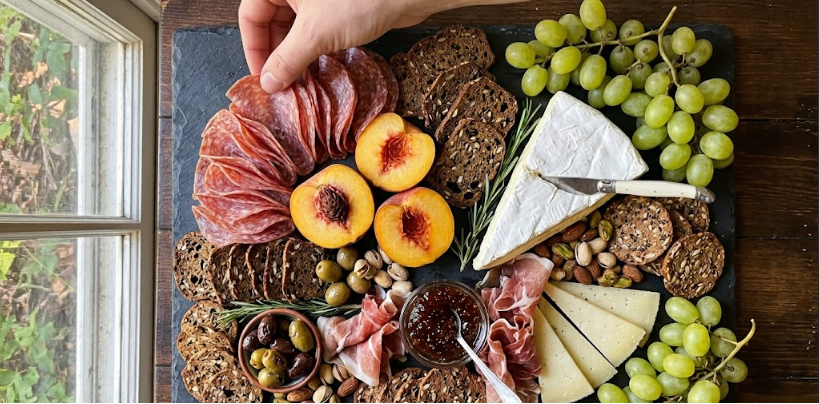
Putting together a salami charcuterie board is one of the more reliable summer hosting formats available. It requires no cooking and comes together in under 30 minutes, regardless of how many people you're feeding. As one home cook noted in a Medium cooking community:
“It's not just that we have to cook — it's that we are reinventing the wheel each night.”
A board built on a fixed format solves that problem: the structure repeats and the seasonal fruit rotates, so nothing needs reinventing from one gathering to the next.
If you're looking for easy charcuterie board ideas that hold up across an entire summer without feeling repetitive, these 11 combinations cover every situation, from the backyard hangout to the last-minute potluck contribution. All 11 use ingredients available at any grocery store deli counter.
Bold, Peppery, or Mild: The Salami Varieties That Run Every Board
You don't need six varieties to build a good summer charcuterie board. Two is enough: one mild and one bold. Here's what each common type brings and when it works best.
- Genoa salami is the mildest and most versatile option. It's fatty and lightly garlicky with a smooth texture that pairs well with nearly any cheese or fruit. If you're building your first salami board, start here.
- Calabrese brings heat from spicy peppers and has a firmer, drier texture than Genoa. It creates strong contrast against sweet summer fruit like peaches or cherries, and it works best when there's something mild elsewhere on the board to balance it.
- Finocchiona is flavored with fennel seed, giving it a subtle anise note that stays light on the palate. It's the right choice on hot days when heavier cured meat feels like too much.
- Sopressata is a dry-cured salami that runs mild or spicy depending on the variety. It slices thick and holds its shape well, which makes it a reliable visual anchor on any summer board.
- Dry salami (the shelf-stable variety in the hard casing) is the most budget-friendly option. The flavor is concentrated and slightly funky. It doesn't fan as cleanly as deli-sliced varieties, but the taste is solid and the cost is significantly lower.
At the deli counter, plan on 2 oz of salami per person per variety. For 6 guests, that's about a quarter pound of each type you choose.
Budget Board Building: Where to Buy Quality Salami Affordably
Deli counter salami outperforms pre-packaged for a summer charcuterie board in one specific way: it fans and folds better during assembly, which accounts for most of the visual difference between a casual board and a polished one. A quarter pound of Genoa from the deli counter runs $3-5 at most grocery stores and gives you 20-25 slices. Pre-packaged varieties cost about the same per ounce but come in packaging that doesn't accommodate fanning.
For budget boards serving more than six people, pre-packaged works fine. The flavor difference at a casual summer gathering is real but minor.
If you plan to repeat the easy charcuterie board format throughout the summer, a proper serving board is the one equipment investment that changes the result. A wood or slate board in the 12×16 to 14×20 inch range gives you enough surface area to build any of the 11 ideas above without crowding the components together. Boards in this range run $25-60 and hold up across many uses.
[AAWP: Charcuterie serving board]
A standard chef's knife doesn't work well for crumbling hard cheese or spreading soft cheese cleanly. A dedicated cheese knife set provides the right blade for both, and entry-level sets in the $15-30 range handle both tasks reliably.
[AAWP: Cheese knife set]
Specialty salami, specifically imported dry-cured varieties, is worth the premium for one variety on a board when you're hosting guests who'll notice the difference. For the second variety, standard grocery store deli is the right call.
How to Assemble a Salami Charcuterie Board: 5 Steps
The most common assembly mistake on a charcuterie board with salami is starting with the crackers. They're filler, and placing them first pushes everything else into awkward gaps. Build in this order and the arrangement comes together without adjusting.
Step 1: Fan and fold your salami
Place salami in clusters near the edges of the board rather than in the center. Fold rounds in half and tuck them overlapping in a shallow fan. Thin-sliced deli salami bends easily into a quarter-circle shape that fills space without stacking. Use at least three rounds per cluster, and leave clear gaps between clusters for the cheese and fruit that follow.
Step 2: Place your cheese
Cut hard cheeses into irregular chunks rather than uniform slices. Irregular shapes fill corners and visual gaps better than clean rectangles. Soft cheeses such as brie or fresh mozzarella go on the board whole or halved. Space cheese pieces to break up the salami clusters rather than grouping everything together on one side.
Step 3: Add fruit
Fruit goes in after cheese, filling the gaps between salami clusters. Halved stone fruit cuts flat and sits stable on the board without sliding. Whole berries drop into corners and tight spaces. Grapes can drape slightly over the board edge for visual height. Slice stone fruit no more than an hour before serving, since it oxidizes quickly in summer heat and loses both color and texture.
Step 4: Add crackers and bread
Crackers and sliced baguette fill remaining gaps after everything else is placed. Tuck them into open spaces so they appear to spill out from between the other elements rather than sitting in a designated separate section. Two cracker varieties are enough: one plain and one with seeds or herbs. A single-variety board reads as sparse; more than three varieties reads as cluttered.
Step 5: Finish with small accents
A small bowl of olives or whole-grain mustard placed at one corner of the board adds visual anchoring without pulling surface space from the main components. A drizzle of hot honey over a salami cluster is optional but adds gloss that reads well on camera. Finish with a few fresh herb sprigs (rosemary or thyme) tucked into remaining gaps for color.
Which Summer Fruits Actually Work on a Board
Stone fruit is the strongest pairing for any charcuterie board with salami in the summer months. Stone fruit peaks June through August, and the natural sugars in a ripe peach or nectarine offset the fat and salt in cured meat better than most other seasonal options. Plums and cherries work on the same principle and typically stay in season through late August.
Here's how the pairing logic works by salami type:
- Bold, spicy salami (Calabrese, spicy sopressata) pairs best with sweet stone fruit. Sliced peaches or halved cherries reduce the heat perception and make each bite more balanced rather than just hot.
- Mild salami (Genoa, finocchiona) works with a wider range of fruit. Fresh berries (strawberries or blackberries) add brightness without competing with the salami's more delicate flavor. Honeydew or cantaloupe works particularly well with finocchiona because both have a gentle sweetness that doesn't overwhelm.
- Aged and dry salami pairs well with figs and grapes. The concentrated flavor of shelf-stable dry salami matches the intensity of ripe figs, and seedless grapes add textural contrast without asserting much flavor. Dried figs work if fresh aren't available and have more concentrated sweetness.
One note on watermelon: avoid placing it directly on the board if it'll sit out longer than an hour. It releases water quickly and softens the crackers nearby. If you want watermelon on your easy summer charcuterie board, add it in a small separate bowl right before guests arrive.
11 Salami Charcuterie Board Ideas for Every Summer Situation
The 11 easy charcuterie board ideas below are organized as repeatable combinations rather than one-time recipes. Each covers the salami, the cheese pairing, the seasonal fruit, and one element that distinguishes the board from the others.
1. Classic Genoa and Strawberry Board
Genoa salami and brie are the most forgiving combination on a summer board because both have mild flavors that don't compete with each other. Sliced fresh strawberries add a slight acidity that cuts through the brie's creaminess and brightens the overall bite. Water crackers keep the base neutral. Use this when you don't know your guests' preferences, or when you're building a charcuterie board with salami for the first time and want the least amount of risk on the table.
2. Calabrese and Peach Board
The heat in Calabrese salami reads as complementary rather than aggressive when the peach slices beside it are genuinely ripe. Aged gouda adds a slight caramel note that bridges the spicy salami and the sweet fruit without neutralizing either one. Seeded crackers hold up better under the weight of a full peach slice than plain crackers do. This is one of the easy charcuterie board ideas that photographs most distinctly because the color contrast between the red Calabrese and amber peach is sharp enough to read clearly on camera.
3. Finocchiona and Melon Board
Finocchiona's fennel note and the mild sweetness of honeydew are compatible in a way that doesn't happen with stronger-flavored salami: both stay quiet on the palate and let each other exist without competition. Fresh mozzarella keeps the dairy component light. This combination works best as an easy summer charcuterie board on hot days when heavier charcuterie would feel like too much. Crusty bread slices rather than crackers add a bit more substance without adding richness.
4. Sopressata and Cherry Board
Fresh dark cherries are among the few summer fruits that hold their shape on a board without releasing juice onto surrounding crackers, which makes them the most practical stone fruit for boards that'll sit out for an hour or more. Mild sopressata has enough flavor presence to stand up to the tartness of fresh cherries without overpowering them. Sharp cheddar carries the full bite alongside both the salami and the cherry without getting lost. Herbed crackers add one more layer of savoriness that ties the board together.
5. The $20 Budget Board
Pre-packaged salami is the right call when you're feeding more than six people and the cost of deli-counter varieties adds up quickly. Two pre-packaged varieties, one Genoa and one Calabrese, give you the same mild-to-bold contrast as a deli board. Cube a block of sharp cheddar into irregular pieces rather than buying pre-sliced. Green or red grapes are the most cost-effective fruit for this easy charcuterie board: they require no cutting and cost less per pound than stone fruit at peak summer pricing. For 8 people, this combination runs $15-20 depending on the grocery store.
6. Dry Salami and Fig Board
The concentrated, slightly funky flavor of shelf-stable dry salami is strong enough to hold up against gorgonzola or blue cheese without either getting lost. Milder salami varieties tend to disappear behind blue cheese, so the intensity of dry salami is the point rather than a drawback. Fresh figs provide sweetness and body that rounds out both the salami and the cheese. Dried figs work equally well if fresh aren't in season and have more concentrated sweetness. Use walnut crackers, which have enough flavor to hold their own alongside the rest of the board.
7. Bresaola and Watermelon Board
Bresaola (air-dried beef) fills the same structural role as salami on a summer charcuterie board and is the only widely available option for guests who don't eat pork. Pair it with ricotta salata, a firm, slightly salty cheese that complements the lean bresaola without adding richness. Watermelon cubes belong on this board fresh, added right before serving rather than during assembly: they release water quickly and can soften the cheese and crackers nearby if left out. This is the lightest combination on the list in terms of fat content.
8. Hot Honey and Salami Board
A small ramekin of hot honey is the one addition that makes a board feel considered without requiring any extra work. Build this around sopressata or Genoa salami, fresh goat cheese (which works better here than brie because its slight acidity plays well against the hot honey), and sliced apricots on plain crackers for drizzling. A bottle of hot honey costs $5-7 at most grocery stores and carries over to multiple easy charcuterie boards throughout the summer season. The cost per use drops significantly after the first board.
9. Mediterranean Salami Board
Skipping fresh fruit entirely opens up a different kind of summer charcuterie board: one built entirely on pantry staples that comes together at short notice without any fresh produce planning. Genoa salami, shaved parmesan, arugula leaves, a small bowl of olive oil for dipping, kalamata olives in a ramekin, and sliced baguette make up the components. The arugula provides the brightness that fruit would normally deliver, with a peppery bite that contrasts the mild salami. This board works as a light dinner for two as well as an appetizer for a larger group.
10. Summer Stone Fruit Board
When fresh nectarines and plums are available at the same time, their different colors and textures justify building an entire charcuterie board with salami around them. Genoa and Calabrese together give you the mild-to-bold salami contrast. Brie and honeycomb sit together as a soft-sweet pairing that bridges the two fruit varieties. The combination of two stone fruits alongside two salami varieties creates enough color variation across the board that it looks more deliberate than it actually is.
11. The Dark Board
This summer charcuterie board is built around visual contrast rather than flavor novelty. Sopressata, smoked gouda, blackberries, and dark chocolate squares create a deep color range on the board that stands out on a summer table alongside lighter arrangements. The dark chocolate is optional but adds a conversation element that costs very little. Plain crackers keep the base neutral so the contrast of the other elements reads clearly. Smoked gouda is the right cheese here because its firm texture and earthy rind anchor the board without adding brightness that would dilute the visual effect.
Free Printable: 30-Minute Charcuterie Board Setup Checklist
Download the one-page setup guide with shopping quantities by guest count, assembly order, and a seasonal fruit pairing calendar for summer boards.
[PRINTABLE DOWNLOAD BUTTON]
Conclusion
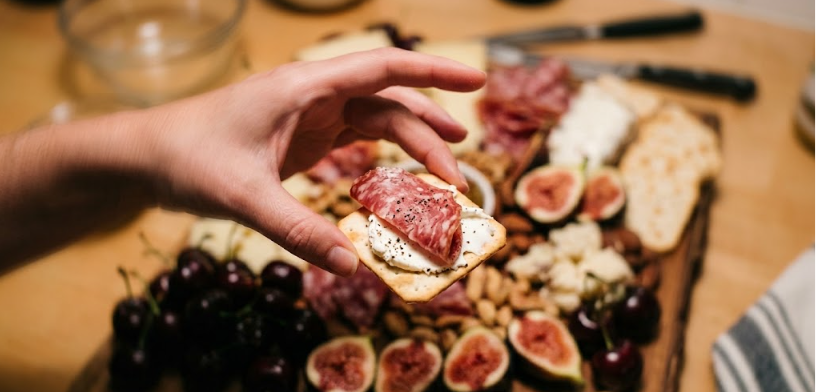
A salami charcuterie board works because the format is fixed and the variables are small. Change the fruit with the season, swap one salami for a different variety, and the board feels new without requiring you to relearn anything. Start with idea 1 or 5 if this is your first time building one, and use the seasonal fruit pairing section to guide the rotation from June through August. The summer charcuterie board format rewards repetition more than it rewards novelty.
FAQ
Q: How far in advance can you make a salami charcuterie board? Most of the board can be assembled up to 2 hours before guests arrive. Cover it with plastic wrap and refrigerate it, then pull it out 20-30 minutes before serving so the cheese comes to room temperature. Add crackers and cut fruit no more than 30-45 minutes before serving, since crackers absorb moisture and soften, and stone fruit oxidizes quickly in summer heat.
Q: What's the most budget-friendly salami for a charcuterie board? Pre-packaged Genoa salami from the refrigerated deli section is the most cost-effective starting point for a budget charcuterie board with salami. It pairs well with nearly any cheese or fruit and is available at every grocery store. Adding one bolder option (Calabrese or sopressata) provides the contrast you need without significantly raising the total board cost.
Q: Can you make this without crackers? Sliced baguette and pita wedges both work as cracker alternatives. Crostini is another option if you want a lighter, crispier base. Some boards skip the bread element entirely and let the salami and cheese carry the board as the main components. The function of crackers is to give guests something firm to build bites on, so any structural base element fills that role.
Q: How much salami do you need per person? For a board served as an appetizer, plan for 2 oz of salami per person across all varieties. If the board is serving as a main course for a smaller group, increase to 3-4 oz per person. A quarter pound of deli-sliced salami comfortably covers 2 people when it's an appetizer alongside other food.
Q: What cheeses pair best with spicy salami? Mild, creamy cheeses do the most work against the heat of Calabrese or spicy sopressata. Brie and fresh mozzarella both reduce heat perception on the palate. Aged gouda also works because its slight caramel sweetness contrasts with heat without amplifying it. Avoid pairing spicy salami with sharp blue cheese: both compete in intensity and neither wins the bite.
Q: Can guests who don't eat pork eat from this board? Bresaola (air-dried beef) and turkey salami are the two most available alternatives to pork-based salami. Bresaola handles well on a board: it's lean, slices thin, and pairs with the same cheeses and fruits as Genoa or Calabrese. Label it clearly so guests who need to distinguish it from the pork options can do so.
Q: Why does my board look messy even when I follow the steps? The most common cause is placing all components at the same height, which makes everything run together visually. Folding salami rounds rather than laying them flat and angling crackers diagonally rather than stacking them upright are the two most effective adjustments. Adding at least one raised element, such as a whole soft cheese or grapes draping over the edge, creates the height variation that makes the board look arranged rather than piled.
The Board Debate
Is a charcuterie board an actual meal or a snack with a branding problem?
- A real meal. If guests leave satisfied, the format doesn't matter.
- A glorified snack. Most boards look impressive and leave people hungry an hour later.
- An excuse not to cook that somehow became socially acceptable.
Why did you vote that way? Drop your take in the comments.