

Quick Summary: Budget Dry Rubs and Marinades
- 8 budget dry rubs and marinades built from pantry staples: salt, paprika, brown sugar, garlic powder, soy sauce, vinegar, oil, and dried herbs
- 4 dry rubs cover BBQ, steak, chicken, and pork. 4 marinades work across chicken, beef, pork, and fish
- Marinate chicken 30 minutes to 4 hours, beef up to 8 hours, pork 1 to 8 hours, fish 15 to 30 minutes maximum
- Apply dry rubs between 30 minutes and 24 hours before grilling. Longer holds work best on tougher, bone-in cuts
- Total spice cost per formula runs $0.50 to $1.50 when the pantry is already stocked
- Each recipe scales for a cookout. Multiply by four for one whole chicken, six pounds of ribs, or two pounds of steak
Memorial Day exposes the same budget cook problem every year. You see the cookout coming, walk into the grocery store with a list, and walk out holding a $14 bottle of premade marinade and the vague sense you got hustled. The math on Memorial Day grilling falls apart fast when the seasoning aisle makes decisions for you.
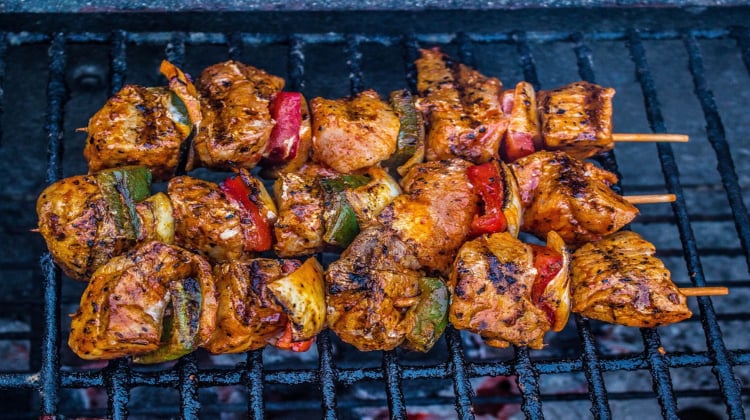
Budget Dry Rubs and Marinades beat that math every time. A working set of budget dry rubs and marinades, built from the salt, paprika, soy sauce, and garlic powder already in your cabinet, costs almost nothing. Most of these formulas outperform what's sold pre-mixed. The trick is having them written down before you fire up the grill.
Eight formulas follow. Four dry rubs and four marinades, covering the proteins most likely to land on a Memorial Day grill. Each one uses pantry staples, each one includes substitution notes. Double or triple for a crowd, then pick the formula that matches your protein and skip the seasoning aisle entirely.
Why Budget Dry Rubs and Marinades Beat Pre-Mixed Seasonings
A jar of “BBQ rub” at the store costs eight or nine dollars and contains roughly six cents of spice. The rest is salt, sugar, and the markup that comes with someone else doing the mixing. Mix the same ingredients yourself and the per-batch cost drops below a dollar. Multiply that across a summer of cookouts and the savings cover a whole second grocery run.
The flavor case is just as direct. Spice oils degrade fast once they're ground and bottled. A jar opened three Memorial Days ago is mostly powder at this point. Mixing fresh from your own jars means the paprika still smells like paprika and the garlic powder still tastes like garlic.
Budget Dry Rubs and Marinades do different jobs. A rub builds a crust, drives bark on the grill, and stays where you put it. A marinade carries flavor into the surface of the meat, helps thinner cuts stay juicy, and adds glaze potential when there's sugar in the mix. Most home grillers need both, rotated by protein and time of day. The eight formulas below give you that rotation in one shopping pass.
On a parenting forum, one home cook captured the surrounding stress this way:
“I get really sick of trying to think up a range of meals that everyone will eat, are reasonably healthy, not too expensive, and don't take three hours and eleven billion pots and pans.” -Mumsnet
A Budget Dry Rubs and Marinades rotation solves that for the grill season specifically. Same proteins, eight rotating flavor moves, no daily decision tax.
The 4 Pantry Staple BBQ Recipes That Handle Almost Any Protein
Start with the rubs. These four share a backbone of salt and brown sugar, with paprika and garlic powder filling in. Each formula tilts toward one protein but cross-applies easily. Make a quadruple batch and store in a clean glass jar; the rubs hold full flavor for about six months.
All-Purpose BBQ Rub
The default. This is the rub that goes on ribs, pork shoulder, chicken thighs, and anything else that needs a sweet, smoky crust.
- 2 tablespoons brown sugar
- 1 tablespoon paprika (smoked if you have it)
- 1 tablespoon kosher salt
- 1 teaspoon garlic powder
- 1 teaspoon onion powder
- 1 teaspoon chili powder
- 1 teaspoon black pepper
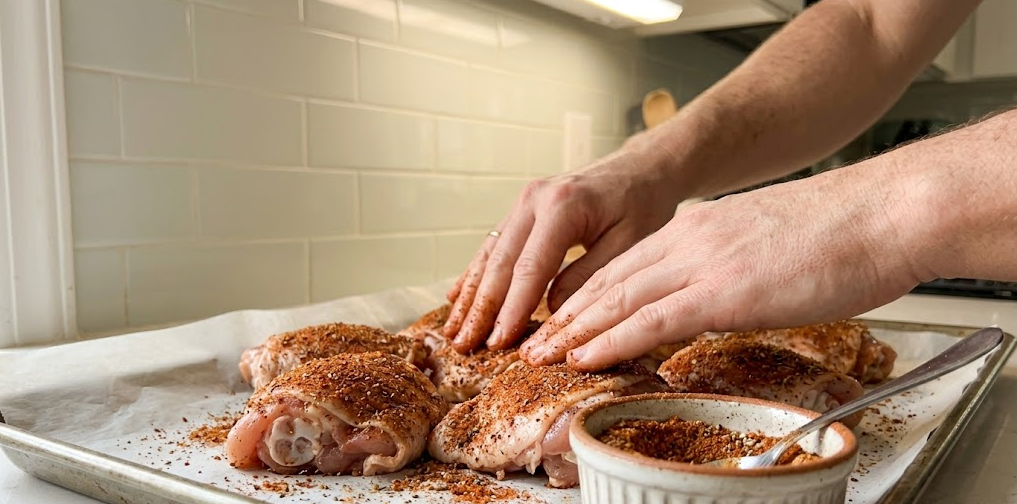
Mix in a small bowl and store in an airtight jar. Apply 30 minutes to 24 hours before grilling. For ribs and pork shoulder, longer is better. Substitute: out of brown sugar, use white sugar plus half a teaspoon of molasses, or just white sugar straight.
Coffee-Black Pepper Steak Rub
Coffee sounds fancy but it's the cheapest umami you own. Ground coffee from the pantry hits the same marks expensive steak rubs charge $12 for.
- 2 tablespoons ground coffee (any kind, including stale)
- 1 tablespoon brown sugar
- 1 tablespoon kosher salt
- 2 teaspoons black pepper
- 1 teaspoon garlic powder
- 1 teaspoon smoked paprika
Apply 30 minutes to 4 hours before grilling steak, beef burgers, flank, or skirt. Substitute: instant coffee granules work fine if you don't have grounds. No coffee at all? Double the smoked paprika and add a teaspoon of cocoa powder.
Lemon-Pepper Chicken Rub
The wet ingredient is dried lemon peel, which sits in the spice aisle for a couple of dollars. If you're squeezing a lemon anyway, save the zest and dry it on a plate overnight.
- 1 tablespoon dried lemon peel (or fresh zest from 1 lemon)
- 1 tablespoon kosher salt
- 2 teaspoons black pepper
- 1 teaspoon garlic powder
- 1 teaspoon dried oregano or thyme
- ½ teaspoon sugar
Apply to chicken (any cut), white fish, or shrimp 30 minutes before cooking. Substitute: no lemon peel? Squeeze fresh lemon over the meat after grilling and rub the dry spice mix on first.
Sweet Heat Pork Rub
Pork takes more sugar than beef does. This rub leans on brown sugar and mustard powder to build a crust that sticks.
- 2 tablespoons brown sugar
- 1 tablespoon kosher salt
- 1 tablespoon smoked paprika
- 1 teaspoon mustard powder
- 1 teaspoon garlic powder
- 1 teaspoon black pepper
- ½ teaspoon cayenne (adjust to heat tolerance)
Apply to pork chops, pork tenderloin, or ribs 1 to 12 hours before grilling. Substitute: out of mustard powder, whisk a teaspoon of yellow mustard into the meat as a binder before applying the rub.
[INTERNAL LINK FLAG: link to bulk pulled pork freezer meals article on “pork shoulder” mention above]
[AAWP PLACEMENT: labeled spice jar set. Transition: “If you make these rubs in quadruple batches to keep on hand all summer, a small set of labeled glass jars keeps the mixes from going stale in mismatched containers.”]
The 4 Marinades That Stretch a Memorial Day Cookout
Where rubs build a crust, marinades carry flavor into the surface of the meat. The four below share an architecture of acid, oil, salt source, sweetener, and aromatic, but tilt in different directions. Soy sauce does double duty as salt and umami carrier. Vinegar and citrus juice handle the acid. The oil keeps everything emulsified and helps spices stick.
A note on timing before you start: more is not always better. Acid breaks down protein structure. Past a certain point, the marinade is mushing your meat instead of flavoring it. Each formula below includes a maximum time, not just a minimum.
Soy-Garlic Marinade (the universal one)
Cheapest possible marinade. Works on almost anything.
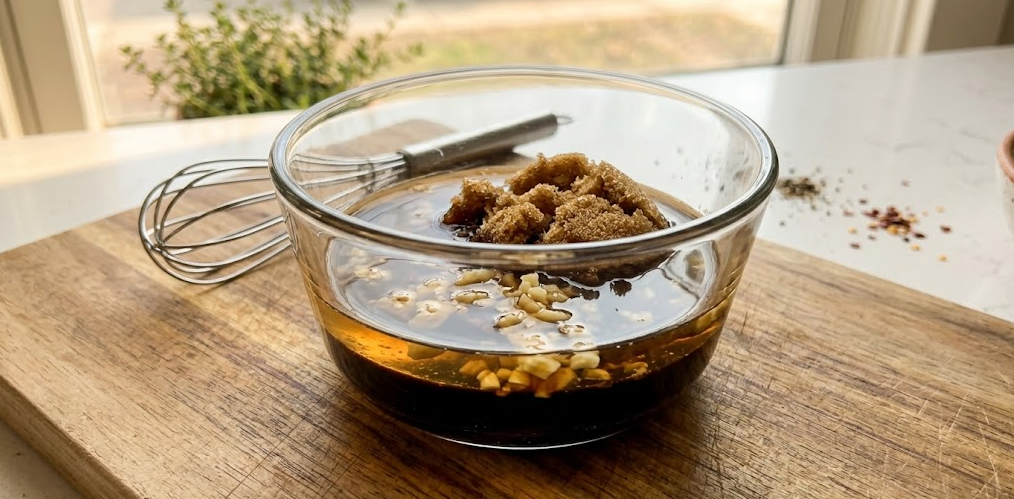
- ¼ cup soy sauce
- 2 tablespoons brown sugar
- 2 tablespoons vinegar (apple cider, rice, or white)
- 3 garlic cloves, minced, or 1 teaspoon garlic powder
- 2 tablespoons oil
- 1 teaspoon black pepper
Whisk together. Pour over protein in a bowl or resealable bag. Marinate chicken thighs 30 minutes to 4 hours, flank or skirt steak 1 to 8 hours, pork chops 1 to 4 hours, or firm tofu 30 minutes to overnight. Substitute: out of soy sauce, use 3 tablespoons of liquid aminos, or a tablespoon of Worcestershire mixed with 3 tablespoons of water and an extra pinch of salt.
Mustard-Vinegar Marinade
Cheap yellow mustard is one of the best marinade bases in the budget pantry. The acid is built in, it carries herbs and pepper well, and it leaves no aftertaste once grilled.
- ¼ cup yellow mustard
- 2 tablespoons apple cider vinegar
- 2 tablespoons olive oil
- 1 tablespoon brown sugar or honey
- 1 teaspoon kosher salt
- 1 teaspoon black pepper
- 1 teaspoon garlic powder
Whisk and apply to chicken or pork. Marinate 1 to 8 hours. Substitute: Dijon works the same if you have it. The budget value of yellow mustard is the point, but Dijon won't hurt the result.
Lemon-Herb Marinade
The brightest of the four. Best on lighter proteins where you don't want sugar or soy taking over.
- ¼ cup olive oil
- Juice of 1 lemon (about 3 tablespoons)
- 3 garlic cloves, minced
- 1 teaspoon dried oregano
- 1 teaspoon dried thyme
- 1 teaspoon kosher salt
- ½ teaspoon black pepper
Whisk and apply to chicken (30 minutes to 2 hours), shrimp (15 to 30 minutes), white fish (15 minutes maximum), or vegetables (30 minutes to overnight). Substitute: vinegar works in place of lemon juice at the same ratio if there's no fresh citrus on hand.
Brown Sugar-Soy Marinade
Sweeter cousin of the Soy-Garlic. Glazes well over wings, ribs, and salmon.
- ⅓ cup soy sauce
- ¼ cup brown sugar
- 2 tablespoons vinegar
- 1 tablespoon grated ginger or 1 teaspoon ground
- 2 garlic cloves, minced
- 1 tablespoon oil
Whisk and apply to chicken wings (2 to 4 hours), pork ribs (4 to 8 hours), or salmon (30 minutes maximum). Substitute: out of ginger, double the garlic. Out of brown sugar, use 3 tablespoons of honey or maple syrup.
[AAWP PLACEMENT: instant-read meat thermometer. Transition: “Marinade timing only works if the grilling time is right too. A cheap probe thermometer is the difference between a perfectly cooked chicken thigh and a Memorial Day plate of dry meat. Pull poultry at 165°F and steak at your target doneness.”]
Cheap Marinade Recipes for Chicken: Which One to Grab
With four marinades in hand, the next question is which one matches your bird. Chicken is the budget Memorial Day protein. It's cheap, scales for a crowd, and forgives mistakes. The marinade question comes down to cut and finish.
For bone-in thighs and drumsticks, the Soy-Garlic or Brown Sugar-Soy marinade works best. The skin holds the marinade well and the fat in dark meat handles the longer marinating window. Plan 2 to 4 hours.
For boneless skinless breasts, the Lemon-Herb is the safest pick. Breast meat dries out fast on the grill and the olive oil base helps hold moisture. Don't go past 2 hours. The lemon will start cooking the surface and you'll get a chalky texture.
For wings, the Brown Sugar-Soy is built for them. The sugar caramelizes against high heat and the soy gets into the joints. 2 hours minimum, 4 hours ideal. Reserve a half cup of marinade in a separate container before it touches the raw meat, then toss the wings with that reserved portion in the last 5 minutes of grilling for a glaze finish.
For a whole spatchcocked chicken, the Mustard-Vinegar marinade is the move. The mustard clings to the skin and the acid penetrates better through bone-in cuts. Marinate overnight if you can, 4 hours at minimum.
One thing to remember across all four: never pour used marinade back over cooked chicken without boiling it first. The food safety risk isn't worth it.
[INTERNAL LINK FLAG: link to honey garlic chicken thighs recipe (recent HMR publication)]
Memorial Day Grilling on a Budget: A Quick Game Plan
Picking the right formula is half the battle. The other half is the weekend logistics. The Memorial Day cookout cost trap isn't usually the meat. It's the surrounding extras: pre-mixed seasonings, single-use marinade bottles, branded sauces, decorative serving items. Cut those and the budget snaps back into shape.
Three moves before the weekend.
Pick two proteins maximum. Chicken thighs and pork chops, or chicken wings and burgers. Two proteins means two formulas instead of six, and your spice math stays clean.
Mix rubs the night before. Whisk together your chosen rub or marinade base and store it. By Sunday morning, the only kitchen work left is applying it to the meat. Decision fatigue is the actual Memorial Day enemy. Having the formula already mixed removes the biggest stress point.
Buy bulk basics, not specialty seasonings. A pound of kosher salt is under $3. A jar of garlic powder is $2. Soy sauce, vinegar, brown sugar, and olive oil all run under $5 each. Skip anything labeled “BBQ blend” or “Memorial Day rub.” They're the same ingredients you already own at three times the price.
Side notes worth the upgrade: a meat thermometer if you don't own one, and a basting brush if you're making the Brown Sugar-Soy and want to glaze. Both are under $10 and last for years.
[AAWP PLACEMENT: silicone basting brush. Transition: “A silicone basting brush makes glaze application cleaner than the back of a spoon, especially in the last few minutes when the sugars start setting on the grate.”]
Conclusion
Memorial Day weekend doesn't require a $40 trip down the seasoning aisle. Eight pantry-built formulas cover the proteins most cookouts use, scale up easily for a crowd, and cost almost nothing per batch when the pantry is already stocked. The trick was never finding the right premade jar. It was having the right formulas written down before the weekend started.
Pick two formulas for your weekend and mix them tonight. Apply them tomorrow. Whatever you don't use this weekend keeps for the rest of the summer.
FAQ
Q: How long do budget dry rubs and marinades stay good in the pantry? Dry rubs hold full flavor for about 6 months in an airtight jar away from heat. After that they're still safe but the flavor starts to flatten. Marinades should be used within a week if pre-mixed and refrigerated, or made fresh the day of grilling for best results.
Q: Can I use these dry rubs on smoked meat as well as grilled? Yes, these rubs work on smoker, charcoal, gas, and indoor oven. The All-Purpose BBQ Rub and Sweet Heat Pork Rub are especially built for low-and-slow smoking. Apply 12 to 24 hours ahead of a long smoke for the deepest bark.
Q: What's the cheapest marinade for chicken that still tastes good? The Soy-Garlic Marinade is the cheapest. Soy sauce, brown sugar, vinegar, and garlic powder cost under $0.75 per batch and the result holds up against any premade bottled marinade. It works on every chicken cut.
Q: Do I need to refrigerate meat while it's marinating? Yes, always. Marinating at room temperature lets bacteria multiply on the meat surface even with acid and salt in the mix. Keep meat in the refrigerator the entire marinating window, then pull it out 20 to 30 minutes before grilling to take the chill off.
Q: Can I make these budget dry rubs and marinades ahead for Memorial Day? Yes. Dry rubs can be mixed weeks ahead and stored in airtight jars. Marinades can be whisked together up to 3 days ahead and held in the refrigerator. The garlic flavor in marinades actually deepens after 24 hours in the fridge.
Q: What can I substitute if I don't have brown sugar or soy sauce? For brown sugar, use white sugar plus a half teaspoon of molasses per tablespoon. Or just white sugar straight — you'll lose some depth but the recipe still works. For soy sauce, use liquid aminos at the same ratio, or Worcestershire sauce thinned with water and a pinch of extra salt.
Q: Why is my marinade not penetrating the meat? Marinades only penetrate about an eighth of an inch into the meat surface. If your meat tastes bland after marinating, the cause is usually salt level (the marinade needs enough salt to drive flavor in), time (too short, often under 30 minutes), or thickness (very thick cuts need scoring or piercing to help the marinade reach below the surface).