

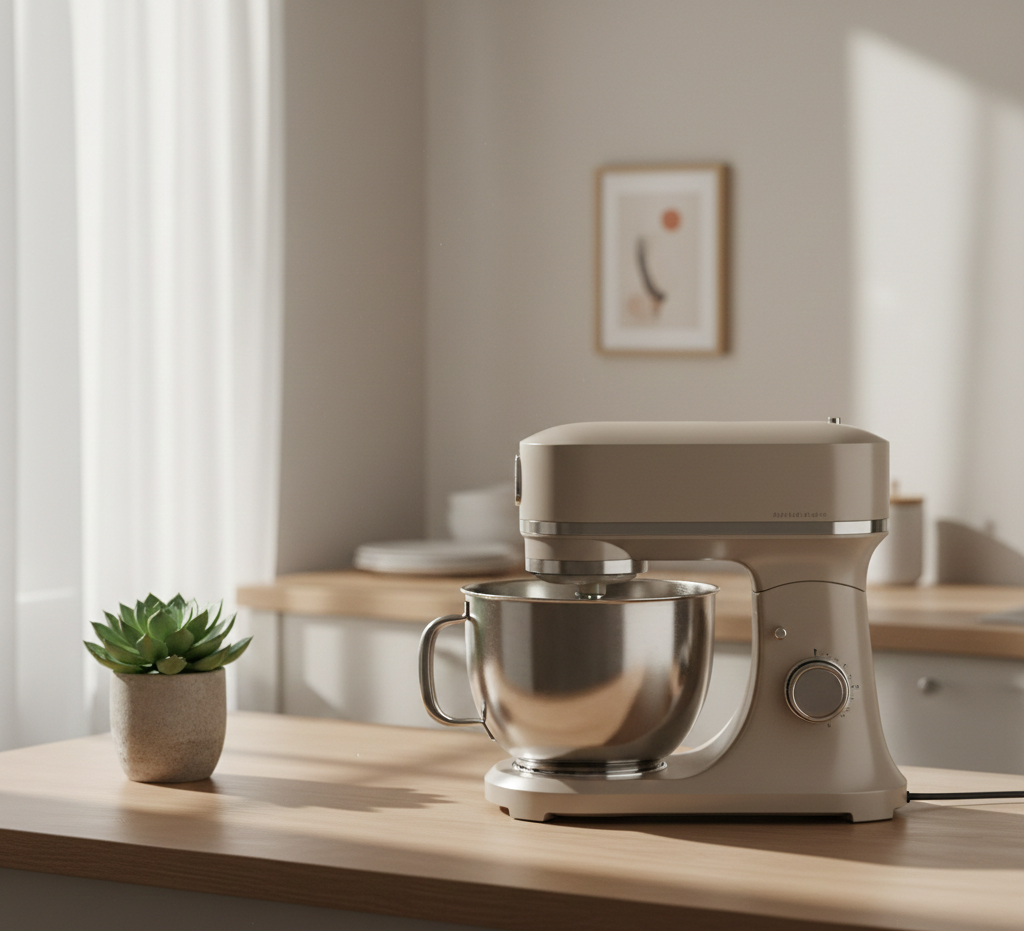
Fast Facts: What Is the Best Stand Mixer for Small Kitchen Counter Space?
- The best stand mixer for small kitchen counter space fits your counters, cabinets, and daily workflow before focusing on maximum power.
- In small kitchens, counter space is a real buying constraint. Oversized mixers reduce prep area and often end up stored away, which lowers actual use.
- A small footprint stand mixer usually measures under 14 inches wide, fits under standard upper cabinets, and weighs less than 20 pounds for easier handling.
- A compact stand mixer for small kitchens performs best with a 3 to 4.5 quart bowl, a tilt-head design, and stable operation on tight counters.
- Key features to prioritize include overall height, base width, manageable weight, and realistic bowl capacity for everyday baking.
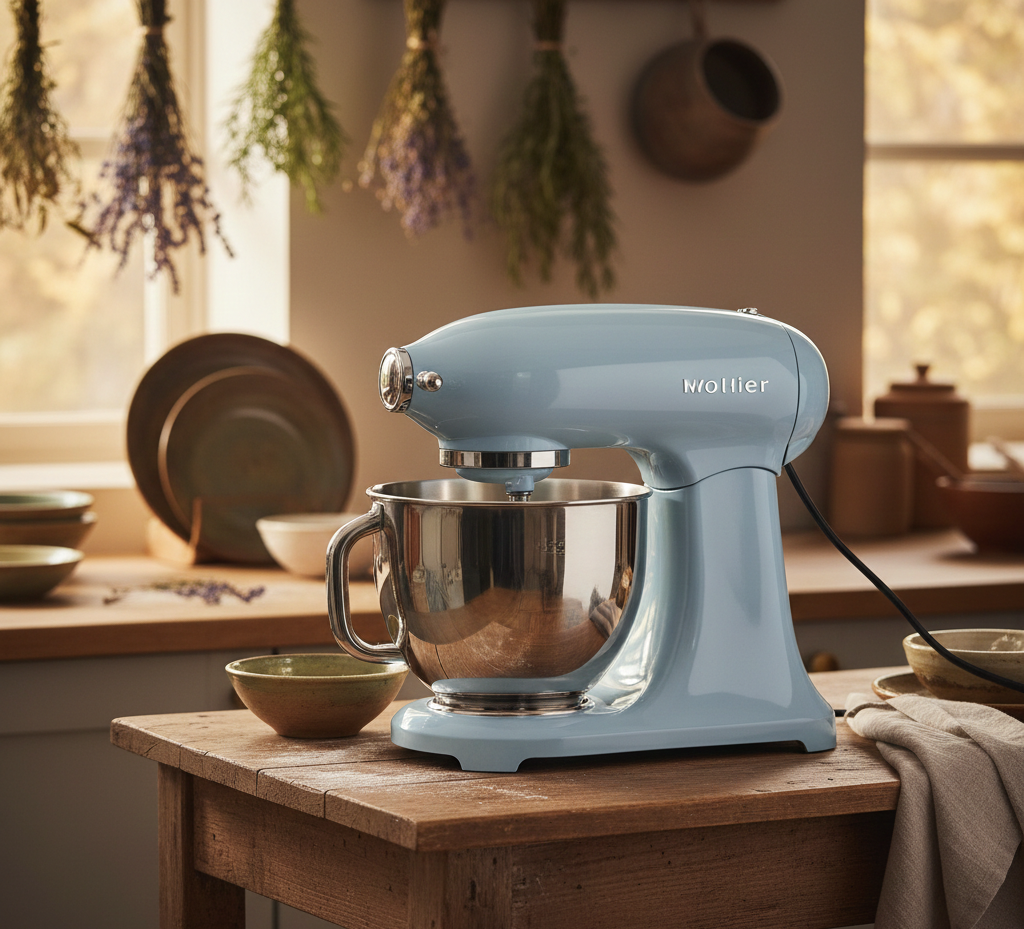
Most kitchen counters already carry a heavy load. Coffee makers, knife blocks, air fryers, and drying racks compete for every inch of space. Adding a full-size stand mixer can quickly tip a small kitchen from functional to frustrating.
That is why more buyers are searching for the best stand mixer for small kitchen counter space rather than the most powerful model available. Reviews across major cooking and appliance sites increasingly focus on compact mixers designed for apartments, condos, and smaller homes.
This guide is built to help you decide with confidence. It explains what compact really means, how much counter space you actually need, and which performance trade-offs are reasonable. If you are shopping for a compact stand mixer for small kitchens or the best stand mixer for limited counter space, this article focuses on fit, usability, and long-term satisfaction.
Why Counter Space Matters More Than Power for Small Kitchens
Permanent Counter Placement vs Storage
In small kitchens, tools that stay visible get used. Tools that require effort to retrieve often collect dust. Many buyers assume they will store a stand mixer in a cabinet, yet lifting a heavy appliance several times a week becomes a barrier very quickly.
Compact mixers solve this problem by staying light enough to move or small enough to leave on the counter without dominating the workspace. This increases frequency of use and reduces friction during everyday baking.
Vertical Clearance Under Cabinets
Upper cabinets are one of the most overlooked constraints. Standard cabinet clearance usually falls between 17 and 18 inches. Many full-size stand mixers exceed this height once the head is tilted back to add ingredients.
Compact models keep overall height lower and require less clearance when opened. This prevents constant shuffling during mixing and keeps the workflow smooth.
Footprint Width and Usable Prep Area
Counter width matters as much as depth. A wide mixer base blocks cutting boards and bowls even when the mixer is not running. Narrow bases preserve prep space and allow cooking to happen around the mixer.
What “Small Footprint” Really Means in Stand Mixers
Footprint Dimensions vs Bowl Capacity
Manufacturers often advertise bowl size without explaining the trade-off. Larger bowls require wider and heavier bases for stability. In small kitchens, this creates unnecessary bulk.
For most households, a 3 to 4.5 quart bowl handles cookies, cakes, muffins, frostings, and single bread recipes without forcing a large footprint.
Weight and Daily Handling
Weight influences how flexible the mixer feels in your space. Mixers under 18 to 20 pounds are easier to reposition, store, or clean around. Heavier models tend to become fixed obstacles.
Tilt-Head vs Bowl-Lift Designs
Tilt-head mixers suit small kitchens better. They use a shorter base, weigh less, and offer easier bowl access. Bowl-lift designs prioritize capacity and stability for large batches, which often exceeds the needs of limited counter kitchens.
Best Stand Mixer Types for Small Kitchen Counter Space
Compact Tilt-Head Stand Mixers
Compact tilt-head mixers offer the strongest balance of size and performance. They support most everyday baking tasks while keeping height and width manageable. These models fit well under cabinets and feel comfortable on crowded counters.
They work best for home cooks who bake weekly and want reliable performance without dedicating half the counter to one appliance.
No products found.
(As an Amazon Associate, we earn from qualifying purchases.)
Mini Stand Mixers
Mini mixers focus on light tasks. They excel at cookies, whipped cream, frostings, and small batters. Their smaller motors and bowls limit dough capacity, which is acceptable for many households with light baking habits.
Mini mixers shine in studios, dorm kitchens, and very tight layouts where every inch matters.
No products found.
(As an Amazon Associate, we earn from qualifying purchases.)
When a Hand Mixer Makes More Sense
In extremely limited spaces, a high-quality hand mixer paired with sturdy bowls may outperform a stand mixer that rarely gets used. This option reduces storage demands and still covers most baking needs.
No products found.
(As an Amazon Associate, we earn from qualifying purchases.)
Performance Trade-Offs to Expect
Motor Power and Batch Size
Compact mixers deliver enough power for standard recipes. They handle single batches comfortably. Larger or denser batches place more strain on smaller motors and reduce mixing efficiency.
Understanding your typical batch size prevents disappointment and extends motor life.
Dough Handling Limits
Many compact mixers knead dough successfully in smaller quantities. Heavy doughs and double batches increase vibration and stress. Respecting capacity limits improves stability and results.
Noise and Counter Stability
Lighter mixers can transmit vibration to the counter surface. Rubber feet and textured countertops help. Expect slightly more movement compared to heavier commercial-style models.
Features That Matter Most in a Compact Stand Mixer
Bowl Size Sweet Spot
A 3 to 4.5 quart bowl provides flexibility without forcing a large base. This size supports most home baking recipes and keeps the mixer footprint reasonable.
Attachment Compatibility
Attachment support extends usefulness without adding more appliances. Compact mixers that accept common attachments offer long-term value while keeping clutter low.
Storage-Friendly Design
Smooth contours, minimal protrusions, and lighter weight make compact mixers easier to live with. A small footprint stand mixer that fits visually and physically encourages consistent use.
Common Mistakes When Buying a Stand Mixer for Limited Space
Choosing Based on Capacity Alone
Large bowl capacity often goes unused in small kitchens. Bigger bowls increase size, weight, and storage demands without improving everyday outcomes.
Ignoring Cabinet Clearance
Height clearance with the head tilted back is one of the top reasons for returns. Always measure vertical space before purchasing.
Overbuying Power
More power usually means more bulk. For everyday baking, compact power levels perform well and reduce counter dominance.
Clear decisions prevent frustration and avoid costly returns.
Final Thoughts
You do not need the largest stand mixer on the market to bake well. In small kitchens, oversized mixers often reduce efficiency by limiting space and discouraging use.
The best stand mixer for small kitchen counter space fits your environment, your habits, and your realistic baking volume. A well-chosen compact model often outperforms larger machines through accessibility and ease of use.
Buy for space first. Performance follows when the tool actually fits your kitchen.
FAQs
What is the best stand mixer for small kitchen counter space?
The best option is usually a compact tilt-head stand mixer with a 3 to 4.5 quart bowl. This size balances performance with manageable footprint and cabinet clearance.
How much counter space does a stand mixer need?
Most compact stand mixers require about 12 to 14 inches of width and under 17 inches of height. Always account for head tilt when measuring.
Are compact stand mixers powerful enough for baking?
Yes. They handle cookies, cakes, muffins, and small bread batches well. They are designed for realistic home baking volumes.
What bowl size is best for a small kitchen?
A 3 to 4.5 quart bowl suits most households. It supports common recipes without forcing a larger base.
Can a small stand mixer knead dough?
Most compact mixers knead dough in small quantities. Dense doughs and double batches exceed ideal limits.
Should I store my stand mixer or leave it on the counter?
Leaving it on the counter increases use if space allows. Storage works better when the mixer is light and easy to lift.
Is a mini stand mixer worth it for everyday use?
Mini mixers work well for light baking and small households. For frequent dough or larger batches, a compact model offers better flexibility.