

Quick Summary: Budget Slow Cooker Meals
- Budget slow cooker meals are a smart summer strategy: the appliance doesn't heat the kitchen the way an oven does, and it costs a fraction of the electricity
- These 8 recipes feed a family of 4 for under $2 per serving, built around chicken thighs, pork shoulder, beef chuck, and plant-based proteins
- The most common slow cooker failure is too much liquid. Start with one-third less than the recipe calls for and add acid at the finish
- A rotation of 6 to 8 recipes saves more money than searching for cheaper recipes weekly, because it eliminates impulse grocery additions and mid-week shopping runs
- Every slow cooker cook should produce a second meal: shredded meat becomes tacos, rice bowls, or sandwiches the following night with no additional cooking
- Freezer-to-slow-cooker kits prepped in one weekly session reduce weeknight decision-making to zero: thaw overnight, dump in the insert, leave for the day
Summer is the one season most people forget the slow cooker exists. That's a mistake worth fixing.
While the oven turns the kitchen into a second source of heat you didn't ask for, the slow cooker runs cool and quiet on the counter. At 75 to 150 watts on the low setting, it costs a fraction of what an oven costs to run through a full day. Set it up before the school run, come home to a finished dinner, and skip the 6pm debate about whether to order takeout. That equation works in January. It works better in June, when the last thing anyone wants is to stand over a hot stove.
The budget slow cooker meals here are built for the summer version of that problem: budget-friendly, warm-weather friendly, and designed around the proteins slow cooking handles best. Each recipe stays under $2 per serving for a family of 4, has the liquid already adjusted and the acid finish already specified, and comes with a second meal built in so one cook stretches across two nights.
Eight recipes, full cost breakdowns, a 5-ingredient pantry approach, and a freezer-to-slow-cooker system that eliminates the 5pm decision entirely.
Why Budget Slow Cooker Meals Fail (And What the Fix Is)
Before the recipes, it's worth two minutes on the mechanics, because the same three mistakes show up in almost every failed slow cooker cook, and fixing them costs nothing.
- Too much liquid. Slow cookers trap steam. A braise that needs 2 cups of liquid on the stovetop needs about 1¼ cups in a slow cooker. When people pour in the full amount, the dish ends up swimming in diluted liquid by hour six. Start with two-thirds of whatever the recipe calls for. You can add a splash at the end. You can't un-water a finished dish.
- The wrong protein cut. Chicken breasts, pork tenderloin, and lean ground beef all overcook in a slow cooker. They're dry and stringy by hour four. Chicken thighs, pork shoulder, and beef chuck are high in connective tissue that slowly breaks down over 6 to 8 hours, producing tender meat and a richer sauce. These cuts also cost less per pound. Chicken thighs average $1.99 to $2.50 per pound on sale. Chicken breasts at the same store often run $3.49 to $4.99. The budget cut is also the correct cut for this method.
- No acid at the finish. Slow cooking mutes brightness. A dish that tastes almost right at 4pm usually needs nothing more than a tablespoon of apple cider vinegar, a squeeze of lime, or a splash of hot sauce stirred in just before serving. Every recipe below specifies this step.
These fixes are already embedded in the recipes that follow. You don't need to run a checklist. Just follow the steps and they're handled.
If you're not sure how your slow cooker behaves on the low setting, it's worth checking before you commit to a full rotation. The recipes below are calibrated for a standard 6-quart slow cooker that simmers gently on low for 6 to 9 hours. These are two of the most consistently reviewed options in the $35 to $60 range:
8 Budget Slow Cooker Meals Under $2 Per Serving
Cost estimates are based on a family of 4, using standard U.S. grocery pricing as of mid-2026. Store brands and sale cycles will push these lower.
1. Salsa Verde Chicken
Cost per serving: ~$1.45 | Total for 4: ~$5.80
One of the most summer-ready meals a slow cooker produces. The jarred salsa verde does all the flavor work: bright, tangy, and slightly spicy. While the chicken thighs shred into something that works in tacos, rice bowls, or wraps without any additional cooking.
Ingredients:
- 1½ lbs bone-in or boneless chicken thighs (~$3.50)
- 1 jar (16 oz) salsa verde (~$2.50)
- 1 tsp cumin
- ½ tsp garlic powder
- ½ tsp salt
- 1 tbsp lime juice (finish)
Substitution: Any jarred green salsa works. For more heat, add a diced jalapeño. For a smokier result, add ½ tsp smoked paprika.
Steps:
- Place chicken thighs in the slow cooker insert. Pour salsa verde over the top. Add cumin, garlic powder, and salt.
- Cook on low 6 to 7 hours or high for 3 to 4 hours. Shred chicken directly in the insert with two forks. Stir shredded meat through the salsa verde cooking liquid.
- Stir in lime juice. Taste for salt. Serve in warm corn tortillas or over rice.
Secondary meal: Serve in tacos the first night. Reheat the following night over rice with frozen corn stirred in, or use as the protein in a cold grain salad if the weather calls for something lighter.
2. Honey Garlic Chicken Thighs
Cost per serving: ~$1.35 | Total for 4: ~$5.40
The sauce reduces during the long cook into something sticky, glossy, and deeply savory with a background sweetness. Served over rice it absorbs into the grains. Served over noodles it coats every strand. Either way it's a dinner the whole table eats without negotiation.
Ingredients:
- 1½ lbs bone-in chicken thighs (~$3.50)
- 3 tbsp soy sauce (~$0.20)
- 2 tbsp honey (~$0.30)
- 1 tsp garlic powder
- 1 tbsp apple cider vinegar (finish)
- Cooked rice or noodles to serve (~$0.40)
Substitution: No honey? Brown sugar at the same quantity works. Low-sodium soy sauce reduces the saltiness without changing the flavor profile significantly.
Steps:
- Whisk soy sauce, honey, and garlic powder in a small bowl. Place chicken thighs skin-side down in the insert. Pour sauce over the top.
- Cook on low 6 to 7 hours. Spoon the reduced sauce over the chicken before serving. Add apple cider vinegar and stir through the sauce.
- Serve over cooked rice or noodles. Spoon extra sauce from the insert over the top.
Secondary meal: Shred leftover chicken and toss with any remaining sauce over noodles for a cold noodle dish the following night, or serve over a simple green salad with the sauce as a warm dressing.
3. Slow Cooker Carnitas
Cost per serving: ~$1.55 | Total for 4: ~$6.20
Carnitas belong on a summer table. Pork shoulder cooked low and slow in citrus and cumin, then shredded and crisped briefly under the broiler — the result is tender meat with crispy edges that works in tacos, burrito bowls, or straight off the pan. This is the slow cooker at its most summer-appropriate.
Ingredients:
- 1½ lbs pork shoulder, cut into 3 to 4 chunks (~$3.00 to $3.50 on sale)
- ¼ cup orange juice (~$0.20)
- 1 tbsp lime juice
- 1 tsp cumin
- 1 tsp garlic powder
- ½ tsp dried oregano
- Salt
Substitution: No orange juice? Use 2 tbsp apple cider vinegar and 1 tsp brown sugar — different but works. Bone-in pork butt produces even more flavor at a similar price.
Steps:
- Season pork chunks with cumin, garlic powder, oregano, and ½ tsp salt. Place in the insert. Pour orange juice and lime juice over the top.
- Cook on low 8 hours or high for 4 to 5 hours. Shred pork in the insert with two forks.
- Optional but recommended: spread shredded pork on a sheet pan, spoon a few tablespoons of the cooking liquid over the top, and broil for 4 to 5 minutes until the edges crisp.
- Serve in warm corn tortillas with jarred salsa and a squeeze of lime.
Secondary meal: Serve in tacos the first night. Use leftovers in burrito bowls with rice, black beans, and frozen corn the following night — the crisped edges reheat well in a dry pan for 2 minutes.
The carnitas and pulled pork recipes above freeze particularly well as raw kits. If you want to go deeper on the freezer method for pork specifically, the full breakdown is here: The Ultimate Pulled Pork Freezer Meals Guide: 5 Dinners From 1 Cook
4. Slow Cooker Beef and Broccoli
Cost per serving: ~$1.75 | Total for 4: ~$7.00
The slow cooker version of a takeout staple. Beef chuck braises in a soy and garlic sauce until it's tender enough to pull apart, then frozen broccoli goes in for the last 30 minutes. Served over rice it's a complete dinner with no extra pans and no hot kitchen.
Ingredients:
- 1½ lbs beef chuck, cut into 1-inch strips (~$4.50 on sale)
- 3 tbsp soy sauce (~$0.20)
- 1 tbsp brown sugar (~$0.10)
- 1 tsp garlic powder
- ½ tsp ginger powder
- 2 cups frozen broccoli florets (~$0.80)
- Cooked rice to serve (~$0.40)
- 1 tsp apple cider vinegar (finish)
Substitution: Fresh broccoli works. Add it for the last 45 minutes rather than 30. No beef chuck? Flank steak or skirt steak work but reduce cook time to 4 to 5 hours on low to avoid over-tenderizing.
Steps:
- Combine soy sauce, brown sugar, garlic powder, and ginger powder in the insert. Add beef strips and toss to coat.
- Cook on low 6 to 7 hours. Add frozen broccoli florets, replace the lid, and cook on high for a further 30 minutes until broccoli is tender.
- Stir in apple cider vinegar. Serve over cooked rice, spooning the sauce from the insert over the top.
Secondary meal: Reheat the following night over noodles instead of rice, or serve cold as a grain bowl with rice, shredded carrots, and a drizzle of the leftover sauce.
5. BBQ Chicken Thighs
Cost per serving: ~$1.25 | Total for 4: ~$5.00
The most summer-forward recipe in this lineup. The slow cooker does the long braise, then a quick run under the broiler crisps the skin into something that tastes like it came off a grill. Serve it as a plate, shred it into sandwiches, or pull it apart over a baked potato — this is the recipe that earns its place in a warm-weather rotation.
Ingredients:
- 1½ lbs bone-in chicken thighs (~$3.50)
- ¼ cup ketchup (~$0.20)
- 2 tbsp apple cider vinegar
- 1 tbsp brown sugar (~$0.10)
- 1 tsp smoked paprika
- ½ tsp garlic powder
Substitution: No ketchup? Use 2 tbsp tomato paste, 1 tbsp water, and an extra tsp of brown sugar. Boneless thighs reduce cook time by about 1 hour.
Steps:
- Whisk ketchup, apple cider vinegar, brown sugar, smoked paprika, and garlic powder in a small bowl. Arrange chicken thighs in the insert skin-side down. Pour sauce over the top.
- Cook on low 6 hours or high for 3 to 3½ hours. Chicken should reach 165°F internal temperature. Spoon sauce from the insert over the chicken before serving.
- Optional: transfer thighs to a sheet pan, brush with remaining sauce, and broil for 3 to 4 minutes to crisp the skin.
Secondary meal: Shred leftover chicken and serve in sandwiches with a spoonful of the sauce, or over baked potatoes with a dollop of sour cream.
6. Black Bean and Corn Chicken
Cost per serving: ~$1.30 | Total for 4: ~$5.20
A burrito bowl that builds itself. Chicken thighs cook down in salsa and spices alongside black beans and frozen corn, then shred directly into the mix. The result is a complete filling that works in bowls over rice, wrapped in a flour tortilla, or stuffed into peppers — three different meals from one cook.
Ingredients:
- 1½ lbs boneless chicken thighs (~$3.50)
- 1 can (15 oz) black beans, drained (~$0.89)
- 1 cup frozen corn (~$0.40)
- ½ cup jarred salsa (~$0.50)
- 1 tsp cumin
- ½ tsp garlic powder
- Salt
- 1 tbsp lime juice (finish)
Substitution: Frozen corn can be replaced with canned corn, drained. Any jarred salsa works — medium heat recommended for family-friendly results.
Steps:
- Place chicken thighs in the insert. Add black beans, frozen corn, salsa, cumin, garlic powder, and ½ tsp salt. Stir briefly to distribute.
- Cook on low 6 to 7 hours or high for 3 to 4 hours. Shred chicken directly in the insert with two forks. Stir everything together. Add lime juice and taste for salt.
- Serve over rice in bowls, or in warm flour tortillas as burritos.
Secondary meal: Serve in burrito bowls over rice the first night. Wrap the leftovers in flour tortillas with a spoonful of sour cream the following night, or stuff into bell pepper halves and bake for 20 minutes at 375°F.
7. Beef Chuck Pot Roast with Carrots and Potatoes
Cost per serving: ~$1.85 | Total for 4: ~$7.40
The one slower, heartier recipe in this lineup included because it's the most requested slow cooker meal across budget cooking communities, and because the secondary meal (shredded beef over a baked potato) is one of the easiest summer weeknight dinners going. Do it on a cooler evening or prep it on a day you're out of the house.
Ingredients:
- 1½ lbs beef chuck roast (~$4.50 on sale)
- 2 medium carrots, cut into chunks (~$0.40)
- 2 medium potatoes, cut into chunks (~$0.60)
- 1 cup beef broth (~$0.50)
- 1 tbsp Worcestershire sauce
- 1 tsp garlic powder
- Salt and black pepper
Substitution: Parsnips or sweet potatoes braise well here in place of regular potatoes. No beef broth? Use water with an extra ½ tbsp Worcestershire sauce.
Steps:
- Season beef chuck on all sides with salt, black pepper, and garlic powder. Place in the insert. Add carrots and potatoes around the sides.
- Mix beef broth and Worcestershire sauce and pour around, not over, the beef.
- Cook on low 8 to 9 hours. The beef should pull apart easily with a fork. Taste the braising liquid and add a splash of apple cider vinegar if it tastes flat.
Secondary meal: Shred leftover beef and serve over baked potatoes with the braising liquid spooned over the top. Or stuff into a toasted roll with a spoonful of the reduced braising liquid as a sauce.
8. Chickpea and Spinach Curry
Cost per serving: ~$1.10 | Total for 4: ~$4.40
A fully plant-based option that holds its own against every meat recipe on this list. Served over rice it's a complete meal. Served with flatbread it doubles as a dipping dish. The coconut milk keeps it light enough for summer while the curry powder gives it enough backbone to feel like dinner.
Ingredients:
- 2 cans (15 oz each) chickpeas, drained (~$1.78)
- 1 can (15 oz) diced tomatoes (~$0.79)
- 1 cup frozen spinach (~$0.50)
- 1 tbsp curry powder
- ½ can (about ¾ cup) coconut milk (~$0.75)
- Salt
- 1 tsp apple cider vinegar or lime juice (finish)
Substitution: No coconut milk? Stir in 2 tbsp plain yogurt at the finish after removing from heat. Frozen kale works in place of spinach.
Steps:
- Add chickpeas, diced tomatoes, frozen spinach, curry powder, and ½ tsp salt to the insert. Pour coconut milk over the top. Stir briefly.
- Cook on low 6 to 7 hours. Stir well — the spinach will have fully incorporated. Add apple cider vinegar or lime juice. Taste for salt.
Secondary meal: Serve over rice the first night. Reheat the remainder wrapped in flatbread or spooned over a plain baked potato the following night.
The 5-Ingredient Rule That Keeps Grocery Bills Low
Every recipe above stays at 5 to 6 ingredients by design. That constraint is a budget mechanism, not a simplicity shortcut.
Each ingredient beyond the core items carries a real cost: partial jars left in the fridge, a specialty item that requires a separate shopping trip, a spice bought once and forgotten at the back of the shelf. “I try too hard to do variety. I need to get better at cooking 2 for 1 meals,” one home cook noted, and ingredient sprawl is exactly what that observation points at. More ingredients per recipe means more waste per week and a higher bill that has nothing to do with what's actually on the plate.
The practical fix is a five-condiment shelf that you buy once and restock every few months. Each item below appears in at least two recipes above and produces a different flavor profile from the same cheap protein depending on which one you reach for.
- Soy sauce (~$2.50 for a 10 oz bottle): the base of the honey garlic glaze and the depth layer in the beef and broccoli sauce. One bottle covers several months of regular slow cooker cooking.
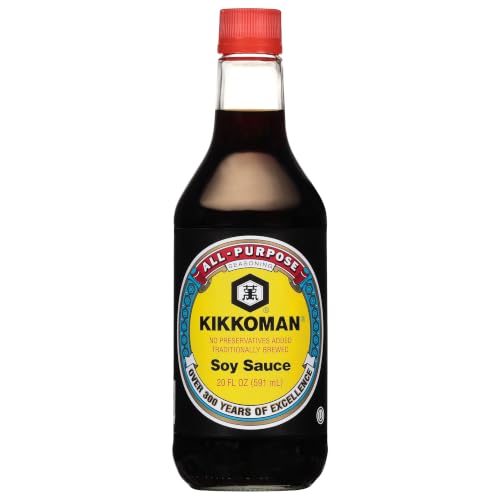
- AUTHENTIC FLAVOR: You can experience the authentic and rich umami flavor that Kikkoman Soy Sauce is...
- INGREDIENTS: The Soy Sauce is made using ingredients like water, wheat, soyabean and salt that makes it a...
Last update on 2026-10-01 / Affiliate links / Images from Amazon Product Advertising API
(As an Amazon Associate, we earn from qualifying purchases.)
- Tomato paste (~$0.89 for a small can, or ~$2.50 for a tube): adds body and umami to any broth-based recipe. Buy the tube — it keeps for months after opening. The can doesn't.

- PRODUCT OF ITALY - Tuscanini Tomato Paste is proudly made in Italy bringing the rich, robust taste of...
- EASY TO USE – Packaged in a convenient tube, our tomato paste allows for easy dispensing and mess-free...
Last update on 2026-10-01 / Affiliate links / Images from Amazon Product Advertising API
(As an Amazon Associate, we earn from qualifying purchases.)
- Smoked paprika (~$2.00 for a 2 oz jar): the backbone of the BBQ chicken glaze and a supporting note in the carnitas seasoning. Four of the eight recipes above use it.

- Made from smoking and drying sweet peppers
- McCormick Smoked Paprika blends full flavor and rich color with a hint of smoke
Last update on 2026-10-01 / Affiliate links / Images from Amazon Product Advertising API
(As an Amazon Associate, we earn from qualifying purchases.)
- Apple cider vinegar (~$2.50 for a 16 oz bottle): the acid finish that fixes flat slow cooker food. Also the tang in the BBQ sauce and the carnitas brine. One bottle covers months of weekly use.
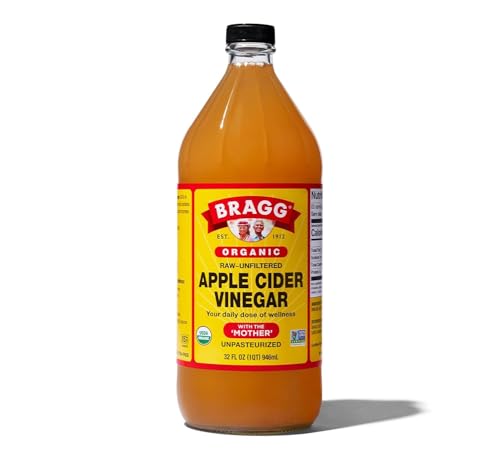
- BRAGG APPLE CIDER VINEGAR: The raw, unfiltered, unpasteurized, original daily dose of wellness, made with...
- ACV WITH MOTHER: Rigorously tested for the presence of live 'Mother'; Provides 750mg of acetic acid per...
Last update on 2026-10-01 / Affiliate links / Images from Amazon Product Advertising API
(As an Amazon Associate, we earn from qualifying purchases.)
- Worcestershire sauce (~$2.00 for a 10 oz bottle): the depth layer in the pot roast. A tablespoon does what several additional ingredients would otherwise attempt.
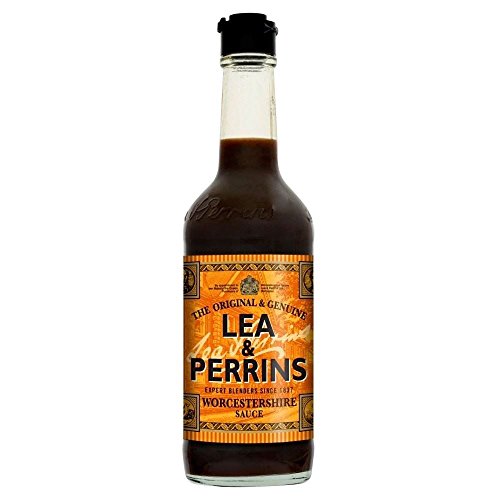
- Aged In Wooden Cask For 18 Months
- Authentic Brand Of Worcestershire Sauce.
Last update on 2026-10-01 / Affiliate links / Images from Amazon Product Advertising API
(As an Amazon Associate, we earn from qualifying purchases.)
Total one-time shelf cost: under $12. Spread across a month of twice-weekly slow cooker nights, that's roughly $0.15 per meal in condiment cost.
To keep the rotation from going stale without expanding the shopping list: change one condiment each time you make the same base recipe. Chicken thighs in honey garlic sauce one week, chicken thighs in BBQ sauce the next. Same protein, same shopping, different dinner.
The Freezer Kit Method That Eliminates the 5pm Decision
The recipes above solve the dinner problem. This section solves the decision problem.
“By the time we get home I am running way behind and should have, ideally, started prepping dinner half an hour ago,” as one parent described the 5pm wall, and the slow cooker's promise of set-and-forget only holds if the setup work happened earlier. A slow cooker dinner requires someone to start it in the morning. That requires a decision, and at 7am with school drop-off looming, most decisions don't get made.
The freezer kit method removes the morning decision entirely.
Pick a low-pressure block of time during the week whenever you have 20 to 25 minutes to spend in the kitchen without an active deadline. Bag and freeze 3 to 4 raw slow cooker kits during that window. Each kit is a labeled gallon freezer bag containing every ingredient for one recipe, pre-measured and pre-seasoned, sealed flat. The night before you want to use a kit, move it from the freezer to the refrigerator to thaw. In the morning, open the bag into the insert, add the liquid, set the timer, and leave.
The morning decision becomes: which bag do I grab?
- What freezes well and what doesn't. All 8 recipes above freeze well as raw kits. Proteins, vegetables, and dry seasonings handle freezer storage without quality loss for up to 3 months. Two exceptions: potatoes become grainy after freezing, so add them fresh on cook day; coconut milk and sour cream go in at the finish, never in the bag.
- The bulk buy advantage. The kit method pays off most when proteins are bought on sale and broken into kit portions immediately. Pork shoulder at $1.99/lb, bought as a 4 lb piece and split into three kits, costs $2.65 per kit in protein. The same cut bought mid-week at $3.49/lb costs $4.65 for the same amount. That's a $2.00 difference per kit, or $6.00 across three kits from one sale purchase.
Four kits prepared in a single session covers four weeknight dinners. At the cost estimates in this article, those four dinners feed a family of 4 for a combined total of roughly $22 to $26. One prep session, zero weeknight decisions, and a grocery bill that stays predictable because the shopping list doesn't change week to week.
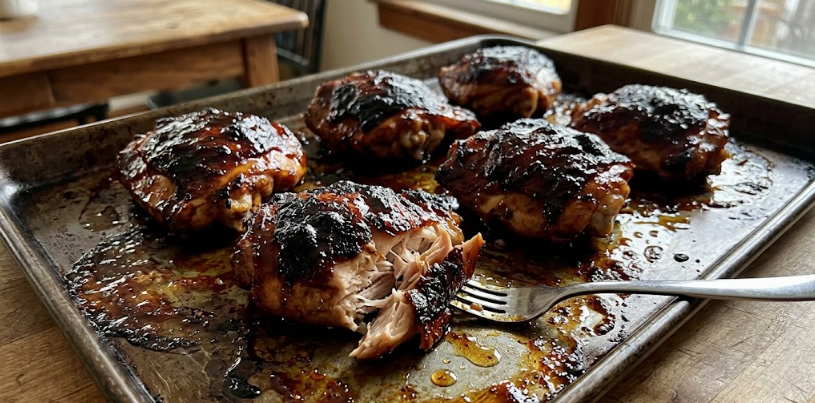
How to Get Two Dinners Out of Every Budget Slow Cooker Cook
A slow cooker recipe that feeds 4 at $1.50 per serving costs $6. Stretched across two separate meals, that same $6 becomes two dinners for two different nights. That's the math that makes the slow cooker a genuine budget tool rather than just a convenient one.
The difference between a leftover and a second meal is the serve format. Shredded salsa verde chicken on a plate next to rice tastes like something you've already eaten. The same chicken tucked into a cold grain salad with lime dressing is a summer lunch. Nothing new was cooked. The format changed.
Three reliable second-meal conversions from the recipes above:
- Carnitas to burrito bowls. Serve the carnitas in tacos the first night. Reheat with the crisped edges refreshed in a dry pan, and serve over rice with black beans and frozen corn the following night. Additional cost per person: roughly $0.40.
- BBQ chicken to sandwiches. Serve the BBQ thighs whole the first night. Shred any remaining chicken and serve in toasted buns with a spoonful of the sauce the following night. Additional cost per person: roughly $0.30 in buns.
- Beef and broccoli to cold noodle bowls. Serve over rice the first night. Reheat the sauce, toss with cooked noodles, and serve warm or at room temperature the following night. A genuinely summer-friendly format that works even on a hot evening. Additional cost per person: roughly $0.30 in noodles.
Each conversion costs under $0.50 per person in additional ingredients. The primary cook already happened. The second meal is the return on that work.
A Note on Your Slow Cooker
One that runs hot on the “low” setting will overcook everything in this article before you get home. After 2 hours on low, the insert contents should be barely simmering, not at a full boil. If yours runs hot, reduce cook times by 1 to 1½ hours and use the low setting exclusively.
A slow cooker that runs hot on the “low” setting turns the budget meals above into overcooked mush. Before committing to this rotation, it's worth knowing what you're working with.

- 9 Cooking Functions: Pressure cook, slow cook, steam, sauté, sous vide, make rice, yogurt, cake, or...
- Guided Cooking: An angled control panel with a clear message display and cooking progress bar, paired...
Last update on 2026-10-01 / Affiliate links / Images from Amazon Product Advertising API
(As an Amazon Associate, we earn from qualifying purchases.)
Freezer kits work cleanest when bags seal completely flat and stack without shifting. A set of labeled, airtight bags makes the weekly prep session faster and the freezer easier to navigate at 7am.

- Value Size Pack: One box includes 200 gallon food storage bags. Each bag measures 10.56 x 10.75 inches...
- Heavy Duty Freezer Bags: Thick plastic resists tearing and punctures. Strong enough to hold heavy foods...
Last update on 2026-10-01 / Affiliate links / Images from Amazon Product Advertising API
(As an Amazon Associate, we earn from qualifying purchases.)
Get the Budget Slow Cooker Meal Plan (Free PDF)
Eight budget slow cooker meals, full ingredient lists, cost-per-serving breakdowns, and the freezer kit method all on one page. Print it, stick it on the fridge, and have it ready before your next grocery run.
Grab the free guide below.
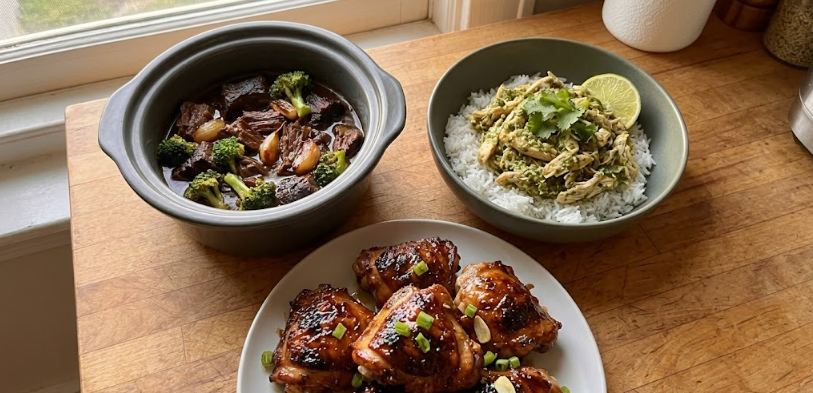
The Rotation Is the Savings
The slow cooker was already in the cabinet. What was missing was a system that removes the nightly reinvention — and a recipe list that actually fits the season you're cooking in.
These 8 budget slow cooker meals are built for summer: light enough to want on a warm evening, fast enough to set up before the school run, and cheap enough to run all week without a second thought about the grocery bill. Pick two recipes from the list. Make a freezer kit for each one during your next available 20-minute window. See what the 5pm moment feels like when the decision's already made and the bag is thawing in the fridge.
That's where this starts. The rest of the rotation follows from there.
Frequently Asked Questions
Q: Are slow cooker meals good for summer?
Yes, and they're underused in warm weather. The slow cooker runs at 75 to 150 watts on the low setting. A fraction of what an oven uses, and it doesn't heat the kitchen the way stovetop or oven cooking does.
Q: How long can I leave budget slow cooker meals on low without overcooking?
Most of the recipes here are built for 6 to 8 hours on low, which covers a standard workday. Beyond 9 hours, proteins start to dry out even in chicken thighs and pork shoulder.
Q: Can I put frozen chicken thighs directly in the slow cooker?
Food safety guidelines recommend against it. Slow cookers take several hours to reach safe temperatures, and fully frozen meat can sit in the bacterial danger zone (40°F to 140°F) for too long during that ramp-up period.
Q: What's the cheapest protein that works best in a slow cooker?
Among meats, chicken thighs and pork shoulder offer the best cost-to-result ratio.
Q: Why does my slow cooker food always taste watery and bland?
Two causes cover most cases. First, too much liquid: slow cookers trap steam and don't reduce liquid the way a stovetop pot does, so start with one-third less than the recipe calls for. Second, no acid at the finish: slow cooking mutes brightness, and a tablespoon of apple cider vinegar or a squeeze of lime stirred in just before serving fixes most flat-tasting results without changing the recipe at all.
Q: Can I prep slow cooker meals ahead and freeze them?
Yes. All 8 recipes in this article freeze well as raw kits in gallon freezer bags, sealed flat, for up to 3 months.
Q: Do slow cookers use less electricity than an oven?
Yes, by a significant margin. A standard slow cooker uses 75 to 150 watts on the low setting. A standard oven uses 2,000 to 5,000 watts. Running a slow cooker on low for 8 hours costs roughly $0.10 to $0.20 in electricity depending on your rate.
The Budget Slow Cooker Debate
Why did you vote that way? Drop your take in the comments.