


Remember the food pyramid from grade school? There's an update. The USDA recently introduced a new food pyramid that prioritizes protein and vegetables. We'll break down what it looks like and share 5 easy, balanced dinners that meet the 2026 dietary guidelines.
At a Glance: The New Food Pyramid 2026 (5 Recipes)
- New Food Pyramid 2026: Focuses on prioritizing protein and vegetables over refined grains and processed foods.
- Key Change: Grains now have a smaller role with just 2-4 servings daily.
- Healthy Fats Are In: Olive oil, butter, and other healthy fats are now encouraged.
- Affordable Recipes: 5 easy, budget-friendly dinner recipes under $3 that fit the new food pyramid.

- Variety of innovative new knife and block styles let home cooks customize their cutlery collection
- Superior high-carbon stainless steel blades for precision and accuracy
Last update on 2026-09-29 / Affiliate links / Images from Amazon Product Advertising API
(As an Amazon Associate, we earn from qualifying purchases.)
What the New Food Pyramid 2026 Actually Looks Like
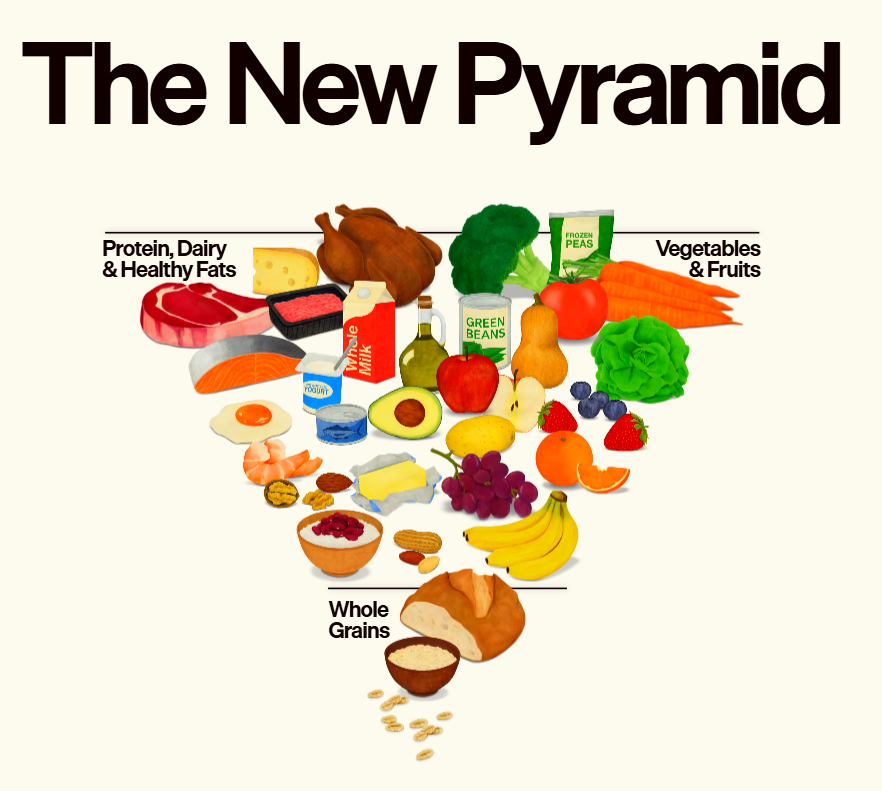
image via realfood.gov
Picture an upside-down triangle. That’s the new USDA food pyramid:
THE WIDE TOP (Eat Most):
- Protein: chicken, beef, fish, eggs, cheese
- Vegetables: fresh or frozen
- Healthy fats: olive oil, butter, even beef tallow
THE NARROW BOTTOM (Eat Least):
- Whole grains: brown rice, quinoa, whole wheat pasta
- Just 2-4 servings daily
The New Food Pyramid 2026 vs Old: Here’s What Changed
The Pyramid You Learned in School (1992-2005)
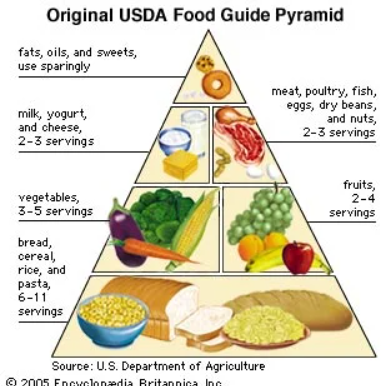
image via Britannica
- Top: Fats were labeled as “use sparingly.”
- Middle: Everything else were squished together
- Bottom: Bread, pasta, cereal
MyPlate Era (2011-2025)
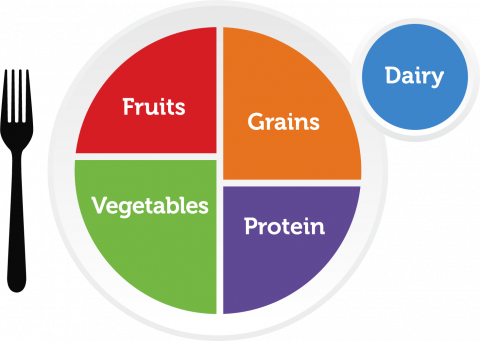
image from myplate.gov
- A circular plate was divided into four sections
- Grains composed 30% of the plate
- Emphasized low-fat dairy options like skim milk and yogurt
- Still no mention of processed junk food
The New Food Pyramid 2026
- The pyramid was completely flipped upside down
- Protein got moved from the middle to the top priority
- Vegetables finally get equal billing with protein
- Grain intake recommendation dropped from “6-11 servings” to “2-4 servings.”
- Full-fat dairy is back!
- It's the first time the government said “avoid ultra-processed foods.”
- 【Set of 8 Glass Storage Containers】Rectangle (35.1OZ)+(21.6OZ)+(12.5OZ)+(5OZ); Square...
- 【Glass Containers Safe for Oven/ Microwave/ Freezer/ Dishwasher】Vtopmart Meal Prep Container is able...
Last update on 2026-09-29 / Affiliate links / Images from Amazon Product Advertising API
USDA 2026 Dietary Guidelines: 5 New Changes
- Protein intake got more specific: Aim for your body weight in kilograms × 1.4 grams.
- Butter is fine again: Whole milk, real cheese, and actual butter are all back on the approved list.
- They finally called out junk food: Chips, cookies, candy, and soda are officially on the “avoid” list.
- Grains got demoted: From “most of your diet” to “smallest section of the pyramid.”
- Healthy fats are in: You can finally cook with olive oil or butter without the guilt!
New Food Pyramid, New Recipes: 5 Dinner Recipes to Try!
1. Sheet Pan Chicken & Vegetables
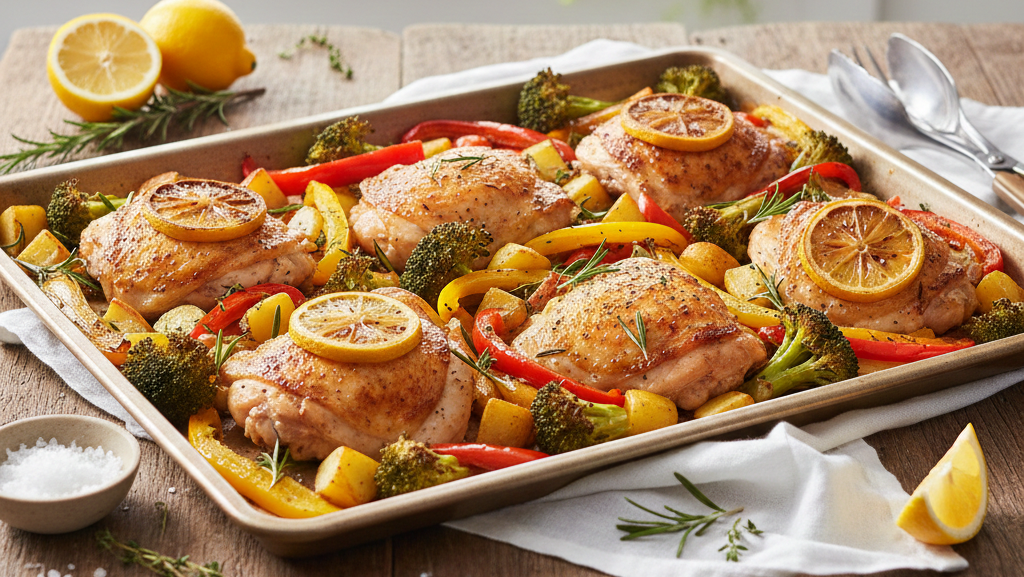
Time: 30 minutes | Serves: 4 | Cost: $2.85/serving
Why this works with the 2026 dietary guidelines:
✓ Protein is the star of the plate
✓ Vegetables take up most of the pan
✓ Potatoes as sides
Ingredients:
- 6 bone-in chicken thighs
- 3 cups broccoli florets
- 2 bell peppers, sliced
- 1 lb baby potatoes, halved
- 2 lemons, juiced
- 3 tbsp olive oil
- 3 garlic cloves, minced
- Salt, pepper, oregano
How to make it:
- Heat your oven to 425°F. Line a big sheet pan with parchment paper.
- Toss the potatoes into the pan and add 1 tbsp oil, salt, and pepper. Leave them in the oven for 10 minutes.
- Mix the remaining oil with lemon juice, garlic, and oregano.
- Pull the pan out. Add the chicken, skin-side up, and toss the broccoli and peppers around it.
- Pour the lemon mixture over everything.
- Return the pan to the oven and wait for 25 minutes.

- 𝗠𝗮𝘅 𝗖𝗮𝗽𝗮𝗰𝗶𝘁𝘆: Weigh objects as heavy as 22 lb/10 kg and as light as 2 g...
- 𝗜𝗣𝗫𝟲 𝗪𝗮𝘁𝗲𝗿𝗽𝗿𝗼𝗼𝗳 𝗗𝗲𝘀𝗶𝗴𝗻: Features an IPX...
Last update on 2026-09-29 / Affiliate links / Images from Amazon Product Advertising API
2. Salmon Bowls
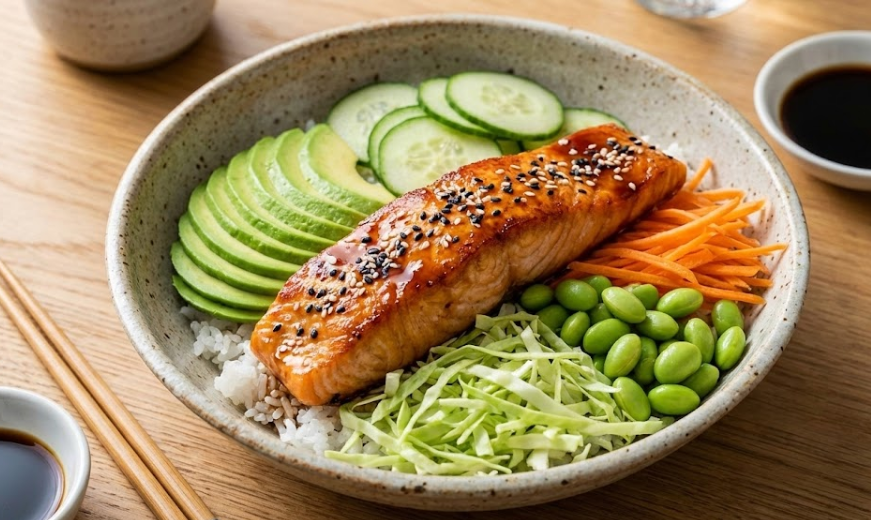
Time: 25 minutes | Serves: 4 | Cost: $3.50/serving
Why this works with the 2026 dietary guidelines:
✓ Salmon = quality protein
✓ Three different vegetable sides
✓ Quinoa serves only as the base
Ingredients:
- 4 salmon fillets (5-6 oz each)
- 1 cup quinoa
- 2 cups cherry tomatoes, halved
- 2 cups baby spinach
- 1 cucumber, diced
- 2 tbsp olive oil
- 1 lemon
- Salt, pepper, garlic powder
How to make it:
- Cook your quinoa according to the package. It should take about 15 minutes.
- While that’s going on, season your salmon with salt, pepper, and garlic powder.
- Heat 1 tbsp olive oil in a skillet on medium-high.
- Place the salmon skin-side down in the skillet. Cook 4 minutes, then flip. Cook another 3-4 minutes until the top looks flaky.
- Toss your tomatoes, spinach, and cucumber with the other tablespoon of oil and a squeeze of lemon.
- Build your bowl. Put the quinoa on the bottom, pile the vegetables, and place the salmon on the other side.
3. Turkey Taco Skillet
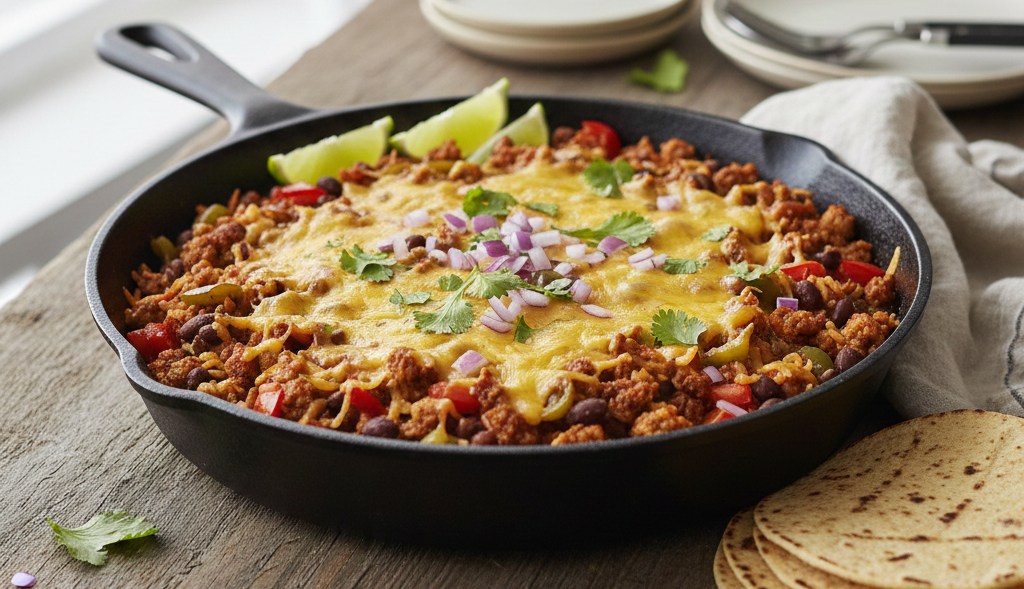
Time: 25 minutes | Serves: 4-6 | Cost: $2.40/serving
Why this works with the 2026 dietary guidelines:
✓ Turkey is the highlight of the dish
✓ Vegetables and beans around the protein
✓ Rice is just there to soak up the flavor
Ingredients:
- 1.5 lbs ground turkey
- 1.5 cups cooked brown rice (use the microwave pouch, no shame)
- 1 bell pepper, diced
- 1 cup frozen corn
- 1 can black beans, drained
- 2 tbsp taco seasoning
- 3/4 cup water
How to make it:
- Get your rice going however you want. Microwave pouch takes 90 seconds.
- Brown the turkey in a big skillet over medium-high heat. Break it up as it cooks. It should take 7-8 minutes.
- Toss in the bell pepper and cook for 3 more minutes.
- Add taco seasoning, water, corn, and black beans. Then let it bubble for 5 minutes.
- Serve the turkey mixture over rice. Top with whatever you've got. Lettuce, tomatoes, cheese, or sour cream will do.
4. Beef and Broccoli Stir-Fry

Time: 22 minutes | Serves: 4 | Cost: $3.20/serving
Why this works with the 2026 dietary guidelines:
✓ Beef is encouraged now (whole food protein)
✓ Cooked in olive oil (healthy fat)
✓ Broccoli is the bulk of what you're eating
✓ Rice is minimal
Ingredients:
- 1.5 lbs beef sirloin, sliced thin
- 4 cups broccoli florets
- 1 red bell pepper, sliced
- 1.5 cups cooked brown rice
- 3 tbsp olive oil
- 3 garlic cloves, minced
- 3 tbsp low-sodium soy sauce
- 1 tbsp honey
- 1 tsp fresh ginger, grated (or 1/2 tsp ground)
How to make it:
- Cook rice.
- Mix soy sauce, honey, and ginger in a small bowl.
- Get your skillet screaming hot then add 2 tbsp olive oil.
- Toss in the beef and cook 3-4 minutes until browned. Pull it out and set aside.
- Add the last tablespoon of oil, garlic, broccoli, and bell pepper. Stir-fry for 5 minutes.
- Return the beef to the pot and mix with the sauce. Cook 2 more minutes.
- Serve over a small scoop of rice.
5. Herb Pork Chops
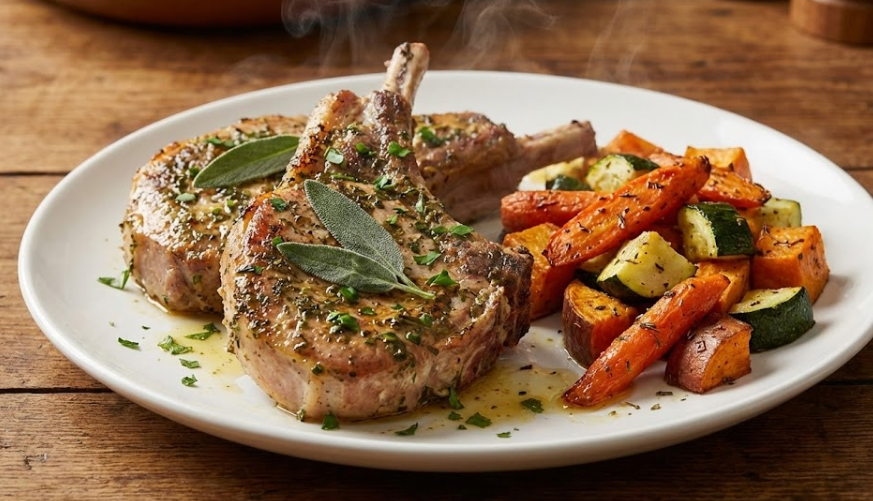
Time: 35 minutes | Serves: 4 | Cost: $2.90/serving
Why this works with the 2026 dietary guidelines:
✓ Quality protein
✓ Three vegetables roasting alongside
✓ No grain needed. Add one slice of bread if you want
✓ Everything's being cooked in olive oil
Ingredients:
- 4 bone-in pork chops (1-inch thick)
- 2 cups Brussels sprouts, halved
- 2 zucchini, sliced into rounds
- 3 carrots, sliced on the diagonal
- 3 tbsp olive oil
- 2 tsp dried thyme
- 2 tsp dried rosemary
- Salt and pepper
How to make it:
- Turn your oven to 400°F. Line a sheet pan with parchment.
- Toss Brussels sprouts, zucchini, and carrots with 2 tbsp oil, salt, and pepper into the pan.
- Rub your pork chops with the last tablespoon of oil, thyme, rosemary, salt, and pepper.
- Nestle the pork chops in the center of the pan.
- Roast for 25-28 minutes, until the pork reaches 145°F.
- Let it rest for 5 minutes before you serve.
SWAP CHART: Out of Ingredients? No Problem!
Same ratios, different ingredients. Pick what’s on sale or already in your pantry. The new food pyramid is all about balance, not specific foods.
| PROTEIN SWAPS | CARB SWAPS | VEGETABLE SWAPS |
| Chicken → Turkey | Brown rice → Quinoa | Broccoli → Cauliflower |
| Beef → Pork | Potatoes → Sweet potatoes | Bell peppers → Zucchini |
| Salmon → Tuna | Quinoa → Farro | Spinach → Kale |
| Ground turkey → Ground beef | Pasta → Rice | Brussels sprouts → Green beans |
| Eggs → Tofu | Rice → Couscous | Carrots → Parsnips |
| Pork chops → Chicken thighs | Sweet potatoes → Butternut squash | Tomatoes → Cucumbers |
FAQs
1. What is the new food pyramid 2026?
The new food pyramid 2026 emphasizes protein and vegetables as the top priorities, reducing the focus on grains and processed foods. It encourages a balanced diet with more whole, nutrient-dense foods.
2. How does the new food pyramid 2026 differ from the old one?
The new food pyramid 2026 shifts protein and vegetables to the top, while the old pyramid placed grains at the base. It also reduces grains to 2-4 servings daily and encourages healthy fats like olive oil and butter.
3. Why is protein a priority in the new food pyramid?
In the new food pyramid, protein is prioritized because it supports muscle growth, repair, and overall health. The USDA 2026 guidelines promote protein-rich foods like meat, fish, and eggs to meet dietary needs.